Clear Sky Science · en
Pharmacological inhibition of hydrogen sulfide production mitigates constipation in a type 1 diabetes mouse model
Why this matters for everyday health
Constipation is more than an inconvenience for people with type 1 diabetes—it is one of their most common and stubborn digestive complaints. This study in mice asks a simple but important question: could dialing down a smelly gas naturally made in the gut, hydrogen sulfide, help the colon move again? By teasing apart how this gas, gut bacteria, and colon muscle interact in diabetic constipation, the work points to new ways future medicines might ease a problem that seriously affects quality of life.
A gas with a double life in the gut
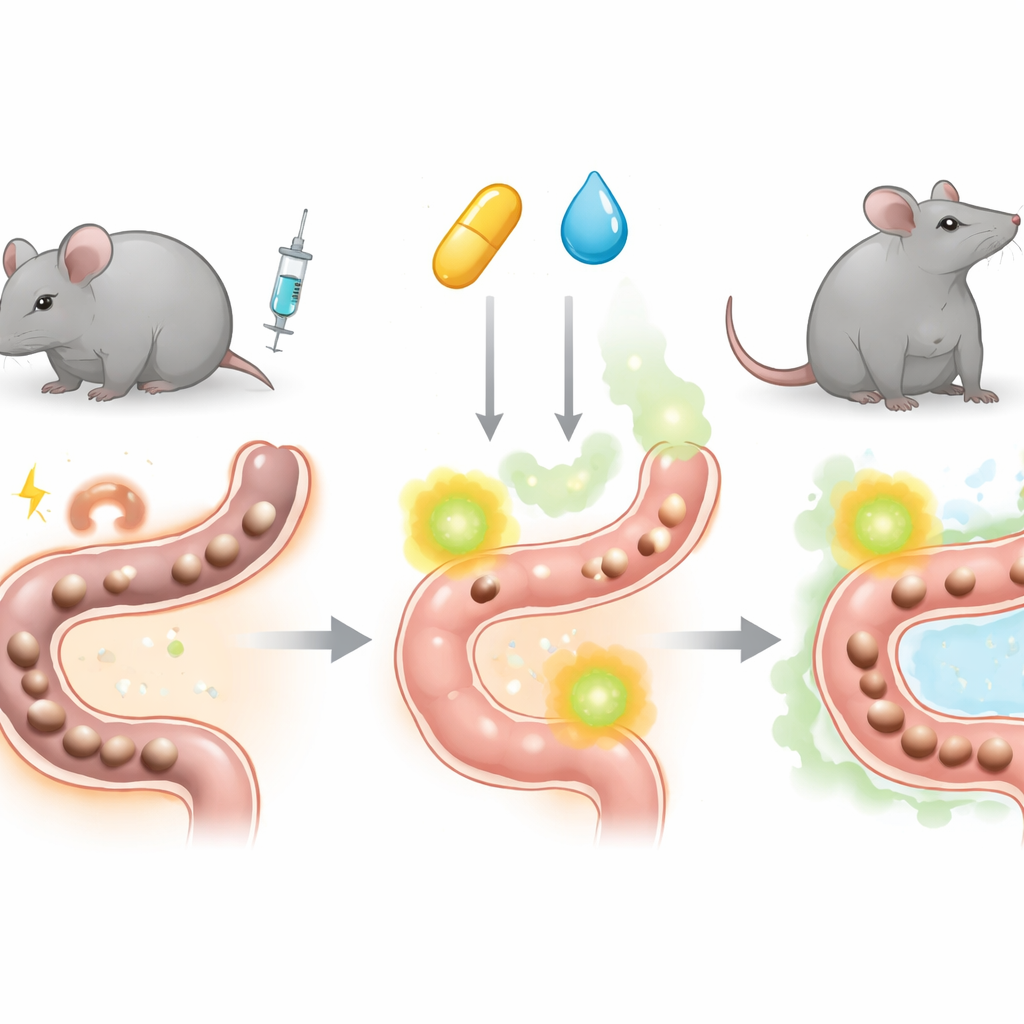
Our intestines constantly produce hydrogen sulfide, the same gas that smells like rotten eggs. At modest levels it can help the gut contract and push food along. But at higher levels, it has the opposite effect, relaxing the bowel and slowing movement. In diabetes, earlier research suggested that hydrogen sulfide levels in the colon rise, but it was not clear whether that rise actually causes constipation or is just a side effect. This study set out to test whether blocking the main sources of this gas could restore more normal bowel function in a mouse model of type 1 diabetes.
Trying new blockers in constipated diabetic mice
Researchers first induced type 1 diabetes in mice using a standard drug that damages insulin-producing cells. Over the next two weeks the animals developed clear signs of constipation: they produced fewer, drier stools and food moved more slowly through their intestines. The team then treated diabetic constipated mice with one of two drugs that reduce hydrogen sulfide production. One, propargylglycine, blocks an enzyme called CSE; the other, disulfiram—best known as a long-used treatment for alcohol dependence—can block a related enzyme, CBS, and has been proposed to affect hydrogen sulfide pathways as well.
What changed inside the gut
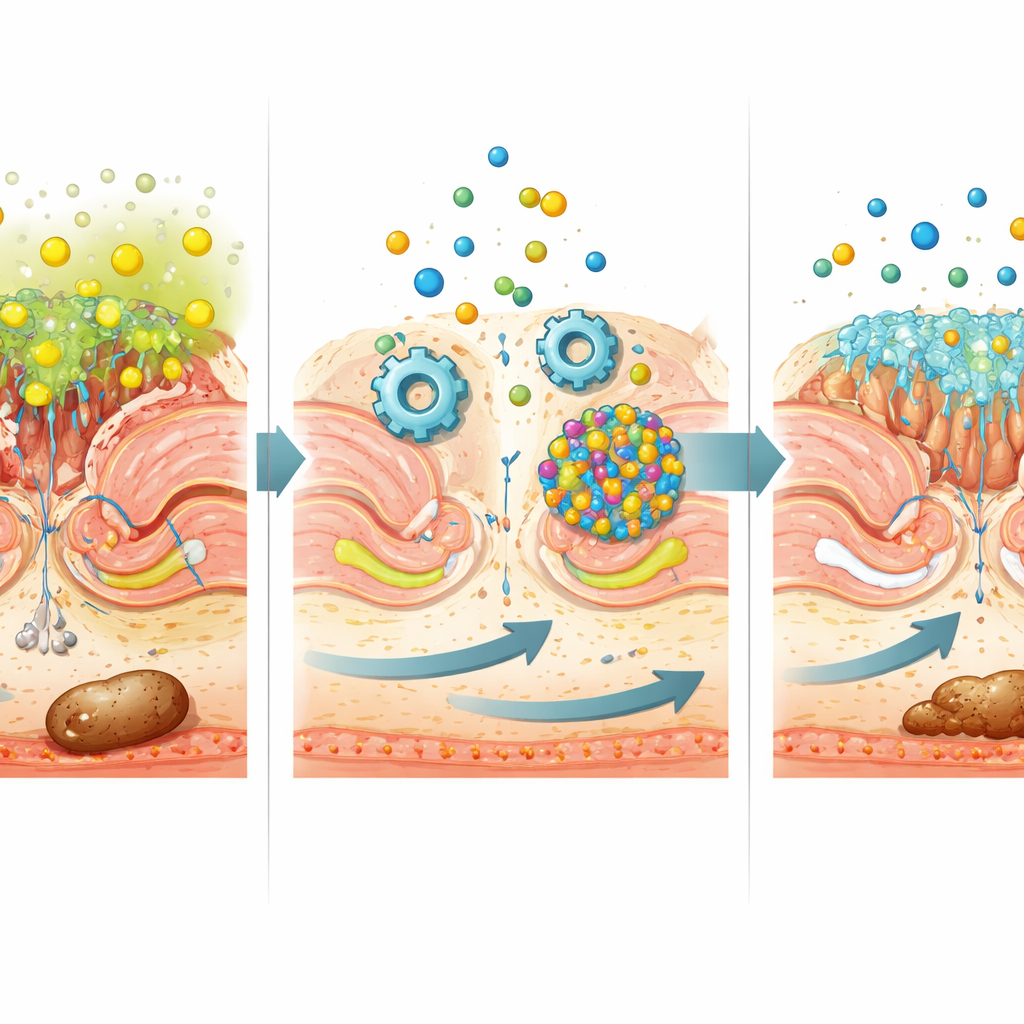
Both drugs helped the constipated diabetic mice pass more stools with higher water content, and sped up how quickly material traveled through the gut. These improvements occurred even though the mice remained diabetic: their high blood sugar and low body weight did not change. Measurements in blood and colon tissue showed that diabetes had raised hydrogen sulfide levels and boosted the activity of its producing enzymes, while also increasing certain hydrogen sulfide–producing bacteria. Treatment with either blocker brought hydrogen sulfide closer to normal and reduced these bacteria. Under the microscope, the colons of untreated diabetic mice looked damaged: thinner lining, shorter or destroyed villi, fewer mucus-producing goblet cells, and injured cell structures. After treatment, the gut lining was thicker, goblet cells and mucus increased, and cellular damage was less severe, suggesting a healthier, better-lubricated surface.
Signals, muscles, and mucus working together
The team also examined how diabetes and hydrogen sulfide affected the colon’s control systems. Diabetic constipation increased levels of myosin light chain, a key part of the muscle machinery that drives contractions, and raised levels of the hormone gastrin, which usually promotes movement. Yet motility still slowed, implying that the braking effect of excess hydrogen sulfide outweighed these pro-movement signals. Diabetic mice also showed more of an enzyme called acetylcholinesterase in the colon wall, which breaks down the messenger acetylcholine and can weaken contractions; hydrogen sulfide blockers partly reversed this rise. Together with the bacterial changes and tissue damage, these findings support a picture in which too much hydrogen sulfide in diabetes disrupts nerves, muscle, and the protective mucus layer in ways that favor constipation.
What this could mean for people
To a non-specialist, the main message is that an overabundance of hydrogen sulfide—coming from both body enzymes and certain gut bacteria—appears to be a key driver of constipation in type 1 diabetic mice. Gently turning down this gas with targeted drugs restored stool flow, improved the gut’s lining, and reduced harmful bacterial activity, all without changing blood sugar itself. Although these results are early and in animals, they suggest that future treatments for diabetic constipation might focus on modulating hydrogen sulfide and the microbes that produce it, potentially offering relief where current approaches fall short.
Citation: Kazemzadeh, R., Badavi, M., Rezaie, A. et al. Pharmacological inhibition of hydrogen sulfide production mitigates constipation in a type 1 diabetes mouse model. Sci Rep 16, 9455 (2026). https://doi.org/10.1038/s41598-026-38664-8
Keywords: diabetic constipation, hydrogen sulfide, gut motility, sulfate-reducing bacteria, mouse model