Clear Sky Science · en
Adequacy of pain management and its predictors following cesarean section: a longitudinal data analysis using a generalized estimating equation model
Why Pain After Birth Surgery Matters
For many women around the world, a cesarean section is the safest way to give birth. Yet the surgery can leave mothers coping with intense pain just when they are trying to heal, care for a newborn, and start breastfeeding. This study from an Ethiopian hospital looks closely at how well women’s pain is actually controlled in the two days after a cesarean and which practical steps make the biggest difference. The findings highlight simple, real-world choices that can turn a difficult recovery into a more manageable experience for both mother and baby.
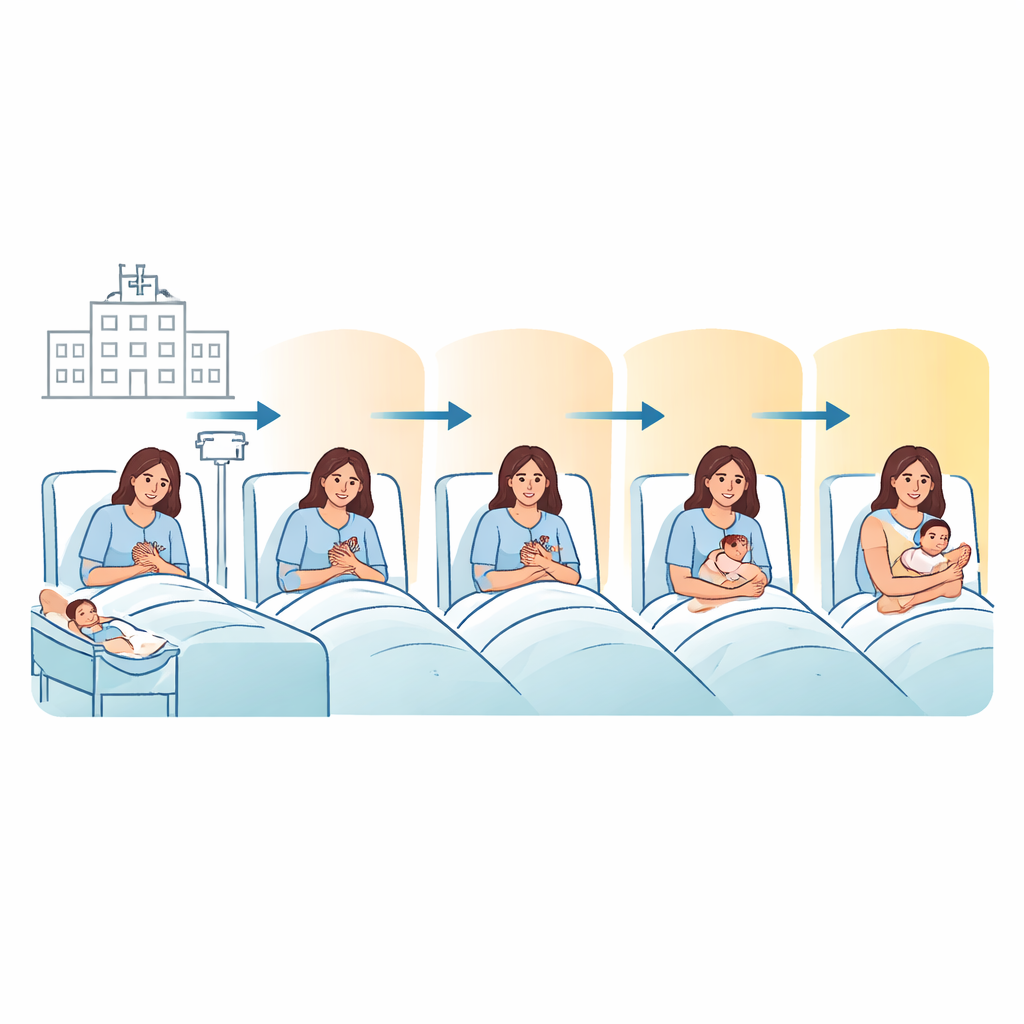
Following Mothers Through the First Two Days
The researchers followed 423 women who had cesarean deliveries at Debre Tabor Comprehensive and Specialized Hospital in northwest Ethiopia over a six‑month period. Almost all received spinal anesthesia, and most surgeries were completed in under 45 minutes. Instead of checking pain only once, the team assessed each woman four times: at 6, 12, 24, and 48 hours after surgery. They recorded how strong the pain felt using a standard 0–10 rating scale and what pain medicines the women actually received from the care team over time.
Measuring Whether Pain Relief Was “Good Enough”
To judge whether pain was being handled adequately, the study used a simple score called the Pain Management Index. It compares how strong a patient’s pain is with how powerful the prescribed pain medicines are, ranging from no drugs at all to strong opioids. If the medication level matches or exceeds the pain level, care is considered adequate; if not, it is labeled inadequate. Using this yardstick, the team found that only about half of women had adequate pain relief at 6 hours after surgery. The proportion improved steadily over time: nearly two‑thirds by 12 hours, three‑quarters by 24 hours, and about nine in ten by 48 hours.
What Helped Women Hurt Less
The researchers then asked which factors were linked with better pain control across those time points. Social support mattered: married women were more than twice as likely to have adequate pain relief compared with single women, possibly because partners help with baby care, advocate for timely medication, and ease stress. Shorter operations also helped; surgeries lasting under 45 minutes were associated with significantly better pain control than longer ones, likely because less tissue handling leads to less soreness afterward.
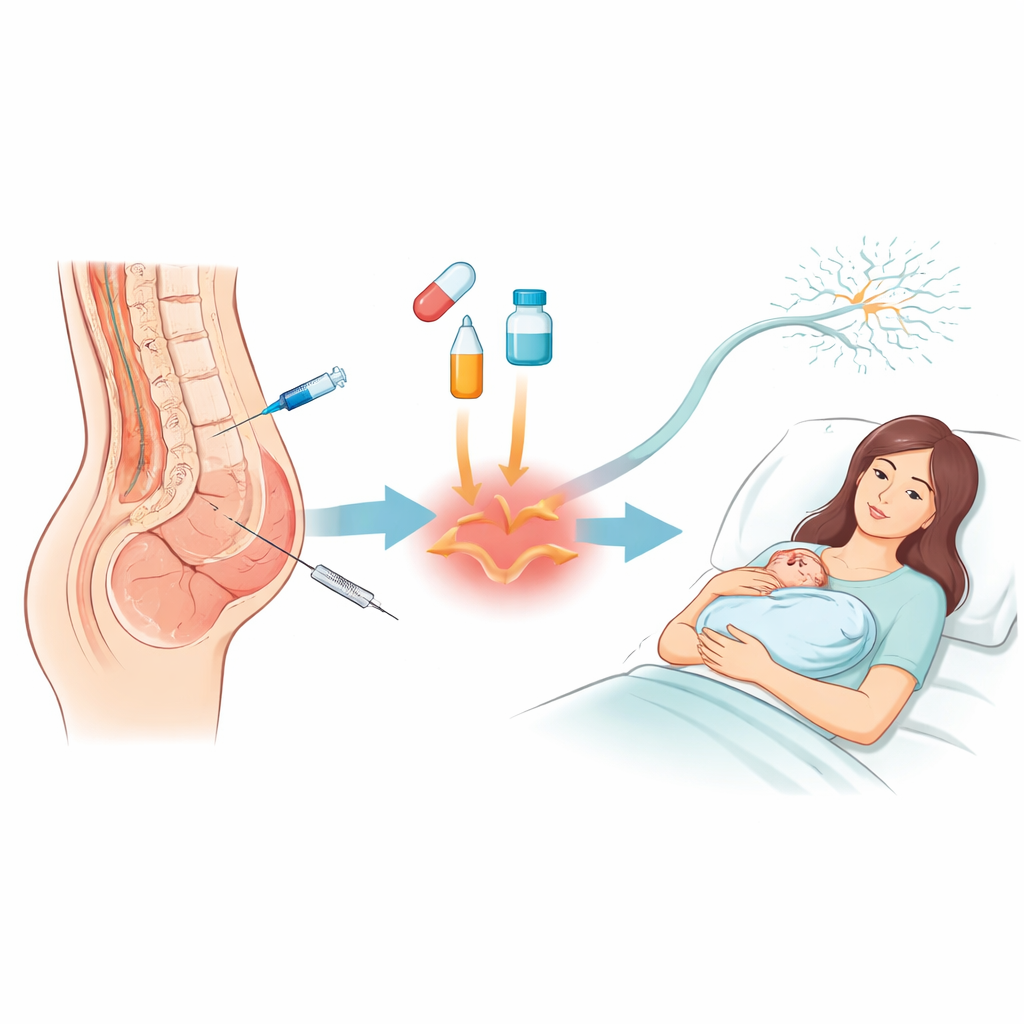
Stronger Pain Plans Work Better
The biggest gains came from how pain medicine was given. Women who received an opioid called pethidine directly into the spinal fluid during anesthesia tended to have better relief, reflecting its long‑lasting numbing and pain‑blocking effects. Using a “multimodal” plan—combining different types of drugs that act on pain in different ways—also improved outcomes, especially when started in the first six hours after surgery. A particular combination stood out: a nerve block of the abdominal wall on both sides, known as a transversus abdominis plane (TAP) block, together with the anti‑inflammatory drug diclofenac. Women given this pairing were almost three times as likely to have adequate pain relief as those who did not receive multimodal care. Additional doses of pain medicine between 6 and 48 hours after surgery also clearly contributed to better control.
What This Means for Mothers and Hospitals
Overall, the study shows that while pain after cesarean surgery tends to ease over the first two days, many mothers suffer from under‑treated pain in the crucial early hours. The results point to concrete steps hospitals can take: prioritize combined pain strategies rather than relying on a single drug, use spinal opioids and TAP blocks with anti‑inflammatory medicines when possible, and ensure ongoing top‑up doses during the first two postoperative days. By tailoring pain plans to individual women and making these practices routine, care teams can help new mothers move, bond with their babies, and recover more comfortably and safely.
Citation: Teshome, D., Tilahun, M., Muche, A. et al. Adequacy of pain management and its predictors following cesarean section: a longitudinal data analysis using a generalized estimating equation model. Sci Rep 16, 8392 (2026). https://doi.org/10.1038/s41598-026-38649-7
Keywords: cesarean section, postoperative pain, multimodal analgesia, regional nerve block, maternal recovery