Clear Sky Science · en
Epidemiology of Kudoa septempunctata food poisoning in Japan from 2013 to 2023
A Hidden Risk in a Popular Dish
Raw fish dishes like sashimi and sushi are enjoyed around the world, but they can sometimes carry tiny stowaways that upset our stomachs. This study looks at one such culprit in Japan: a microscopic parasite that lives in olive flounder and can briefly sicken people who eat the fish raw. By tracing more than a decade of reported illnesses across the country, the researchers show how common these infections are, where they strike most often, and how public health measures and the COVID-19 pandemic have changed the pattern of cases.
The Tiny Parasite in Flounder
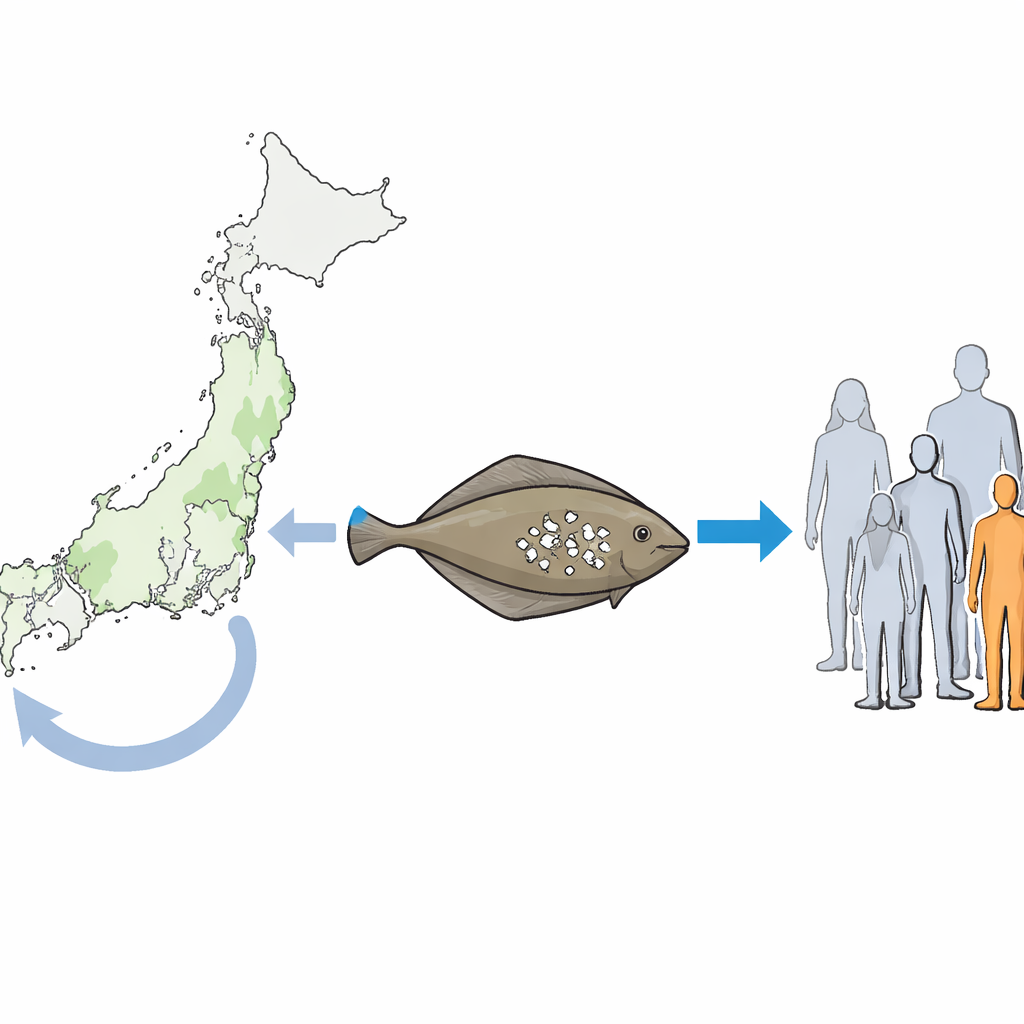
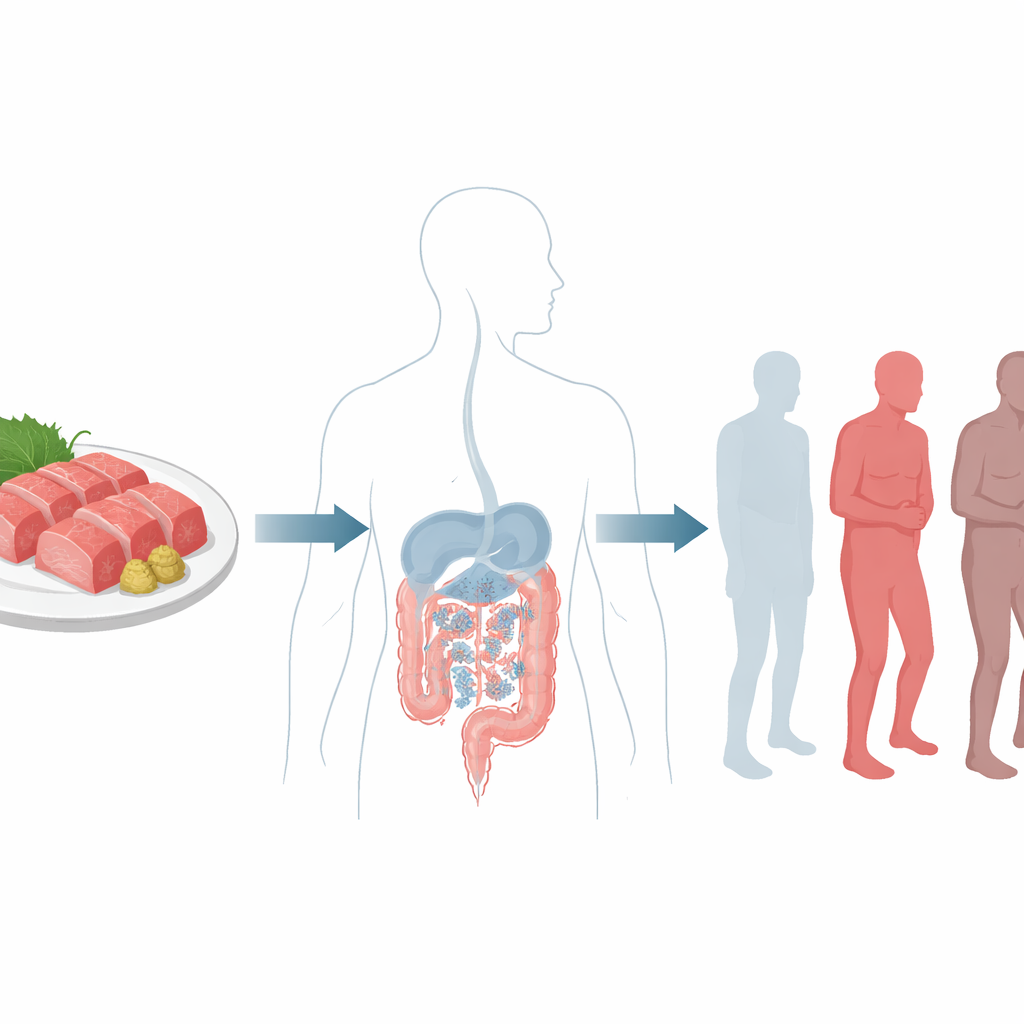
The focus of the study is Kudoa septempunctata, a microscopic parasite that lives in the muscle of olive flounder, a flatfish widely farmed and eaten raw in Japan and South Korea. When people consume contaminated raw flounder, they can develop sudden bouts of diarrhea and vomiting within about half a day. The illness usually fades within a few days, but Kudoa septempunctata is now the second most common parasitic cause of food poisoning in Japan, after the better-known Anisakis worms. Because the symptoms are short-lived and standard hospital tests often miss this parasite, many questions remain about how often it strikes and how its impact has changed over time.
Following Food Poisoning Across Japan
To answer these questions, the researchers examined national foodborne illness reports collected by Japan’s Ministry of Health from 2013 through 2023. Doctors in Japan are legally required to report suspected food poisoning to local health centers, which then investigate what food and organism were responsible. Kudoa infections are usually confirmed by specialized tests on leftover fish or by genetic tests on patient stool samples. Using these surveillance data, the team counted yearly and monthly cases, identified which foods were involved, and mapped cases and incidence rates by prefecture. They also grouped the years into three periods: before the COVID-19 pandemic, during the pandemic, and after most restrictions were lifted, to see how changes in daily life affected infection patterns.
Who Gets Sick, When, and Where
Over the 11-year period, Japan recorded 2,009 cases of Kudoa-related food poisoning. Almost all were linked to flounder dishes, especially sashimi and sushi. Older adults were disproportionately affected: people aged 60 and above accounted for roughly half of all cases, and women slightly outnumbered men. The number of cases peaked in 2014, then slowly declined, dropping sharply to fewer than 100 cases per year during the COVID-19 pandemic—likely reflecting less dining out, fewer social gatherings, and more home-cooked meals. After pandemic restrictions eased in 2023, case numbers began to climb again. Seasonally, reports occurred year-round but were most common in October, hinting at subtle changes in fish supply, dining habits, or parasite levels that are not yet fully understood.
Regional Hotspots Along the Coast
The study also revealed clear geographic patterns. Western Japan and prefectures along the Sea of Japan coast had the highest incidence rates when adjusted for population. Areas such as Tottori, Shimane, Yamaguchi, and Oita stood out as hotspots. The reasons are not entirely clear, but they may reflect local eating habits—particularly how often sliced raw olive flounder is served—rather than differences in water temperature or climate. Since detailed regional data on how much raw flounder people actually eat are lacking, it is hard to separate true differences in exposure from differences in how actively local health centers detect and report cases.
What This Means for Raw Fish Lovers
For most people, illness from Kudoa septempunctata is brief and not life-threatening, but it is unpleasant and can strain health services when outbreaks occur. This long-term nationwide analysis suggests that safety steps taken after large outbreaks—such as improved screening of farmed and imported flounder—have helped reduce risk, but not eliminated it. The COVID-19 years showed how strongly our eating patterns influence infection rates, as fewer restaurant meals with raw fish coincided with fewer Kudoa cases. The authors conclude that Japan needs to keep strengthening surveillance, develop easier tests for this parasite, and ensure doctors consider Kudoa when patients fall ill after eating raw fish. For diners, the message is not to abandon sushi, but to recognize that careful sourcing, inspection, and handling of raw seafood remain essential to keeping these invisible hitchhikers in check.
Citation: Hadano, Y., Mori, H., Tanaka, Y. et al. Epidemiology of Kudoa septempunctata food poisoning in Japan from 2013 to 2023. Sci Rep 16, 7986 (2026). https://doi.org/10.1038/s41598-026-38632-2
Keywords: raw fish, food poisoning, parasites, sushi and sashimi, public health surveillance