Clear Sky Science · en
Preliminary study of polyethylene microplastics disrupting energy Metabolism, redox Balance, and prefrontal cortex structure in Wistar rats
Why tiny plastics in our brains matter
Plastic waste does not just litter beaches; it slowly grinds down into microscopic fragments that can move through water, food, and even our bodies. This study asked a troubling question: can common polyethylene microplastics, similar to those in packaging and textiles, disturb the brain’s “command center” for planning, attention, and self-control—the prefrontal cortex? Using rats as a stand‑in for humans, the researchers traced how these tiny particles might sap brain energy, tip the balance toward chemical stress, and physically damage brain tissue.
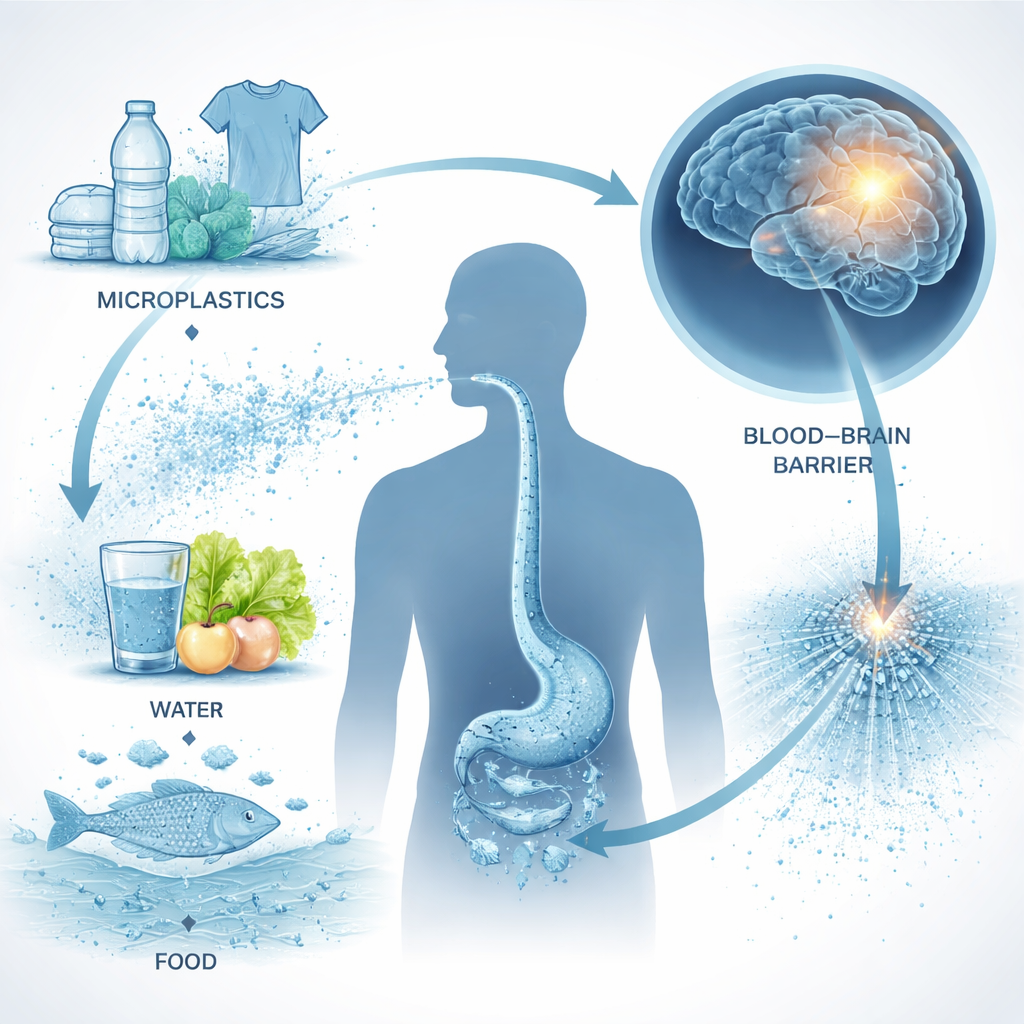
Tiny particles, big journey to the brain
Microplastics are now found in drinking water, table salt, seafood, and many processed foods. Earlier work has shown that these particles can cross body barriers and reach organs such as the liver and kidneys. Emerging evidence suggests that they can also slip past the blood–brain barrier, the body’s security fence that normally shields the brain from harmful substances. The prefrontal cortex is especially energy‑hungry and sensitive to pollutants, making it a logical target for studying possible brain effects of plastic exposure.
Testing microplastics in a living brain
To explore these effects, the team exposed male Wistar rats to two doses of polyethylene microplastics by mouth every day for 28 days, while a control group received only saline. Afterward, they removed the animals’ prefrontal cortex and measured a suite of markers that reveal how well brain cells are producing energy, handling chemical oxidants, and regulating inflammation. They also examined thin slices of brain tissue under the microscope to look for visible signs of damage, such as dying neurons, empty spaces where cells should be, and leaky blood vessels.
Energy engines under strain
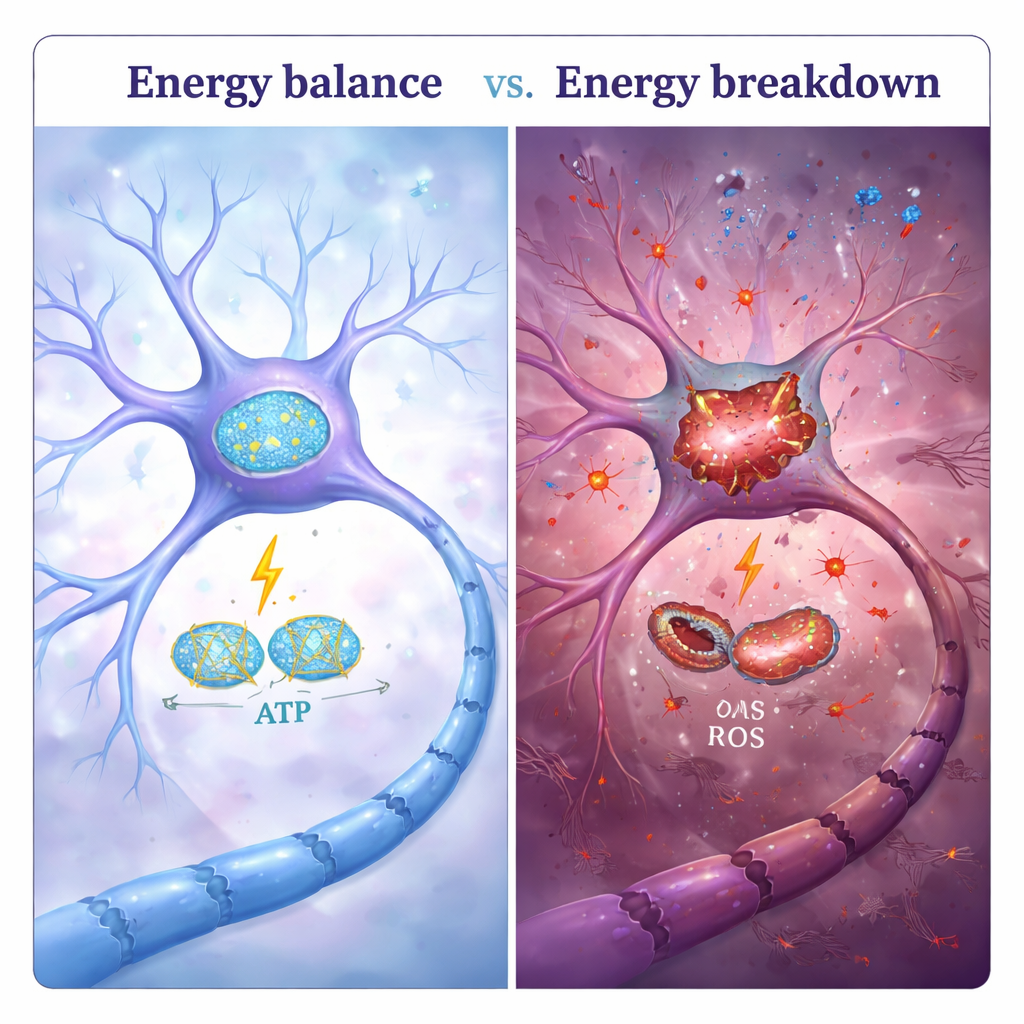
The results pointed to a systematic breakdown of the brain’s energy machinery. Enzymes that help burn sugar in the early steps of energy production showed a mixed pattern: some were cranked up, others slowed down, hinting at a strained system trying to compensate. Deeper inside the cell, in the mitochondria—tiny structures often called power plants—key steps of the energy cycle were sharply suppressed, while one enzyme linked to both the cycle and the final energy chain was overactive. Proteins that form the last stage of energy production, known as the electron transport chain, were also inhibited, except for one that appeared to be in overdrive. Together, these shifts suggest that brain cells were being pushed away from efficient energy use toward a more desperate and less effective mode, a pattern seen in many degenerative brain conditions.
From chemical stress to physical damage
The same brains showed clear signs of chemical and inflammatory stress. Antioxidants—the cell’s natural shields against reactive molecules—were depleted, while markers of fat damage in cell membranes were elevated. Nitric oxide, a messenger that in excess can contribute to tissue injury, rose markedly, whereas an enzyme linked to immune‑cell activity fell, pointing to a disturbed inflammatory balance rather than a simple “on” or “off” response. Under the microscope, the prefrontal cortex of exposed rats displayed dose‑dependent harm: at the lower dose, neurons began to shrink and small holes appeared in the tissue; at the higher dose, there was extensive neuron loss, swelling around blood vessels, and disorganized layers of cells.
What this could mean for human health
This preliminary work in rats cannot prove that everyday microplastic exposure will damage the human brain in the same way, and the researchers did not directly measure plastic particles inside the prefrontal cortex. Still, the study adds to a growing picture of microplastics as more than an environmental nuisance. By disrupting how brain cells make and manage energy, tilting chemical defenses off balance, and reshaping delicate brain structures, polyethylene microplastics emerge here as plausible contributors to long‑term brain vulnerability. The findings reinforce the need to limit plastic pollution, better understand how much microplastic people actually absorb, and uncover whether similar changes are quietly unfolding in human brains over a lifetime of exposure.
Citation: Kehinde, S.A., Abiola, B.T., Olajide, A.T. et al. Preliminary study of polyethylene microplastics disrupting energy Metabolism, redox Balance, and prefrontal cortex structure in Wistar rats. Sci Rep 16, 7115 (2026). https://doi.org/10.1038/s41598-026-38576-7
Keywords: microplastics, brain health, prefrontal cortex, oxidative stress, mitochondria