Clear Sky Science · en
The mediating role of coping strategies in the relationship between stigma and quality of life among syphilis patients
Why this study matters to everyday life
Sexually transmitted infections are often whispered about, but their emotional fallout is rarely discussed in the open. This study looks beyond the biology of syphilis to ask a very human question: how does being judged for an infection affect a person’s day‑to‑day life, and what mental habits make things better or worse? By examining how people with syphilis in China respond to stigma, the researchers show that the way patients cope can either cushion the blow or deepen the harm to their quality of life.
Living with an infection and a social burden
Syphilis is a long‑standing infectious disease that has been rising again worldwide, especially in countries with fewer resources. Modern medicine can diagnose and treat it, but many patients still carry a heavy social burden. Because syphilis is linked in the public mind with sex and morality, people who are infected often fear being blamed, shunned, or seen as permanently tainted. The authors argue that to understand how well patients are really doing, we must look not only at lab tests, but also at how the infection affects work, relationships, and emotional well‑being.
How the study was carried out
The research team surveyed 365 adults with secondary syphilis who were receiving care at three large hospitals in eastern China. Participants filled out questionnaires in private rooms, covering their background, how strongly they felt stigmatized, how they usually coped with illness‑related stress, and how much their skin condition interfered with everyday activities. The team then used a statistical technique that allows them to map out pathways between these factors and to test whether coping styles sit in the middle of the chain from stigma to quality of life. This approach moves beyond simple correlations and asks how different pieces of the psychological puzzle fit together.
Stigma, coping habits, and daily life
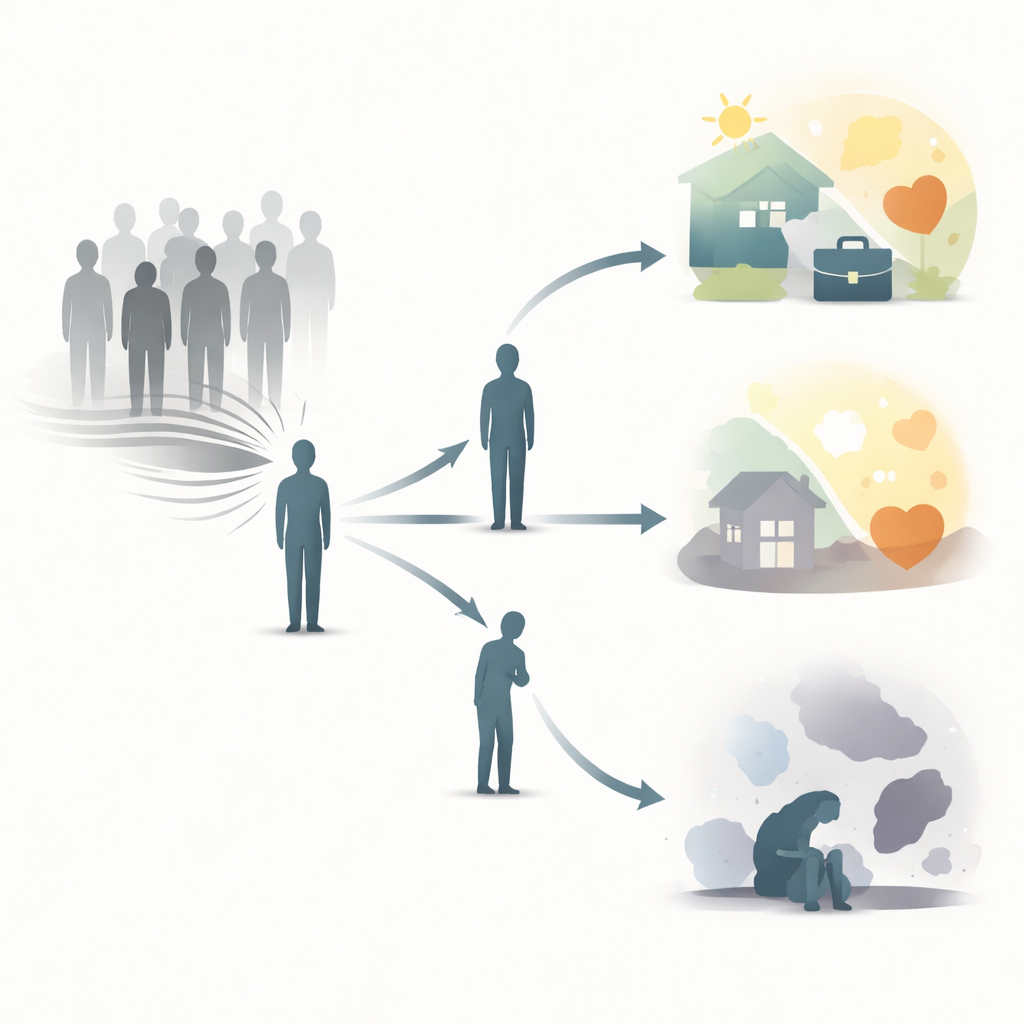
The results painted a troubling picture. On average, patients reported that syphilis had a moderate to severe impact on their lives, especially in areas such as treatment hassles, work or study, social life, and sexual relationships. The more stigma people felt—from social rejection, isolation, shame, or financial worries—the poorer their reported quality of life. But stigma did not act alone. Patients who tended to face their illness directly—seeking information and support—reported better lives, even when they felt judged. In contrast, those who coped by avoiding the issue or simply giving up fared worse. Stigma was linked to less active confrontation and more avoidance and resignation, which in turn were tied to greater disruption of daily life.
The hidden power of giving up
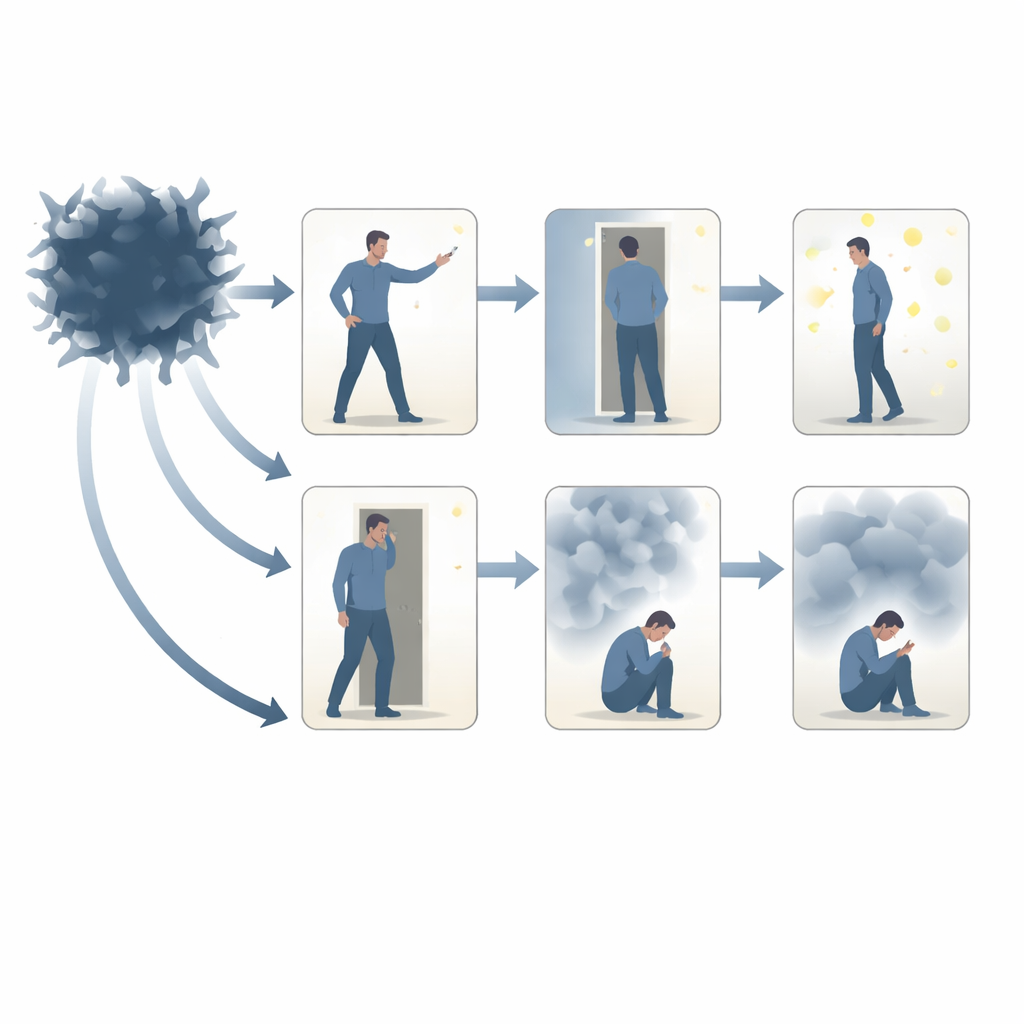
When the researchers quantified these links, they discovered that “resignation” was the most damaging coping pattern. Patients who saw syphilis as a kind of moral punishment or an unchangeable flaw were more likely to withdraw, accept poor treatment experiences, and stop trying to improve their situation. This passive response explained over two‑fifths of stigma’s total impact on quality of life—more than either avoidance or active confrontation. The authors suggest that in the cultural context they studied, where sexually transmitted infections carry strong moral overtones, it may feel safer for patients to minimize themselves rather than challenge negative views. Unfortunately, this choice deepens emotional distress and weakens adherence to care.
What can be done to support patients
Because coping styles clearly shape outcomes, the study points to several practical steps. The authors recommend that clinics treating syphilis screen for both stigma and coping patterns, not just physical symptoms. Interventions such as counseling, group support, and modern stress‑management techniques could help patients rethink the meaning of their diagnosis, strengthen their ability to face problems directly, and reduce the urge to hide or surrender. Educational efforts, both in person and online, can provide accurate information and model more hopeful stories, while also encouraging families and communities to offer support rather than blame.
Take‑home message for patients and the public
The central lesson of this work is that stigma is not just a social slight; it can drain the joy and function from daily life for people with syphilis. Yet the study also offers hope: how patients respond internally makes a real difference. When people are helped to move away from giving up and toward more active, problem‑solving approaches, the harmful effects of judgment and shame on their quality of life can be softened. Tackling both stigma and unhelpful coping habits is therefore essential if we want those living with syphilis—and with other stigmatized conditions—to regain health, dignity, and a satisfying everyday life.
Citation: Hou, J., Zhang, J., Shen, J. et al. The mediating role of coping strategies in the relationship between stigma and quality of life among syphilis patients. Sci Rep 16, 9296 (2026). https://doi.org/10.1038/s41598-026-38512-9
Keywords: syphilis stigma, coping strategies, quality of life, mental health and infection, sexual health