Clear Sky Science · en
The antioxidant capacity and in-vitro anticancer effects of Artocarpus lakoocha Roxb. against laryngeal cancer cells
A Tree Compound with Promise Against Throat Cancer
Laryngeal cancer, a malignancy of the voice box, is often diagnosed late and can be difficult to treat, sometimes costing patients not only their health but also their ability to speak. This study explores whether an extract from the heartwood of a tropical tree, Artocarpus lakoocha, long used in traditional medicine, might help fight this cancer in the lab. By testing how the extract affects cancer cells grown in dishes, the researchers look for early clues that a natural product could one day support new therapies.
From Forest Tree to Lab Bench
Artocarpus lakoocha, known locally in parts of Asia for its useful wood and edible fruit, is rich in a substance called oxyresveratrol—a close chemical cousin of the red-wine compound resveratrol. Oxyresveratrol and related plant chemicals are known for their antioxidant and anti-inflammatory properties, meaning they can neutralize harmful reactive molecules and calm overactive biological responses. The team used a commercial ethanol extract of the tree’s heartwood and first measured how rich it was in phenolic compounds, a broad family of plant chemicals often linked to health benefits. They found a very high total phenolic content, suggesting the extract is dense with potentially active molecules.
How Strong Is Its Antioxidant Power?
To gauge antioxidant strength, the scientists used a standard chemical test that measures how well a substance can “soak up” a stable free radical, a stand-in for the damaging molecules produced in cells under stress. The Artocarpus extract showed strong activity, needing less than 100 micrograms per milliliter to cut the radical level in half—performance in line with well-known antioxidants. This result matters because oxidative stress is closely tied to cancer development and progression: compounds that counteract it may help protect normal cells or enhance the effectiveness of cancer treatments. 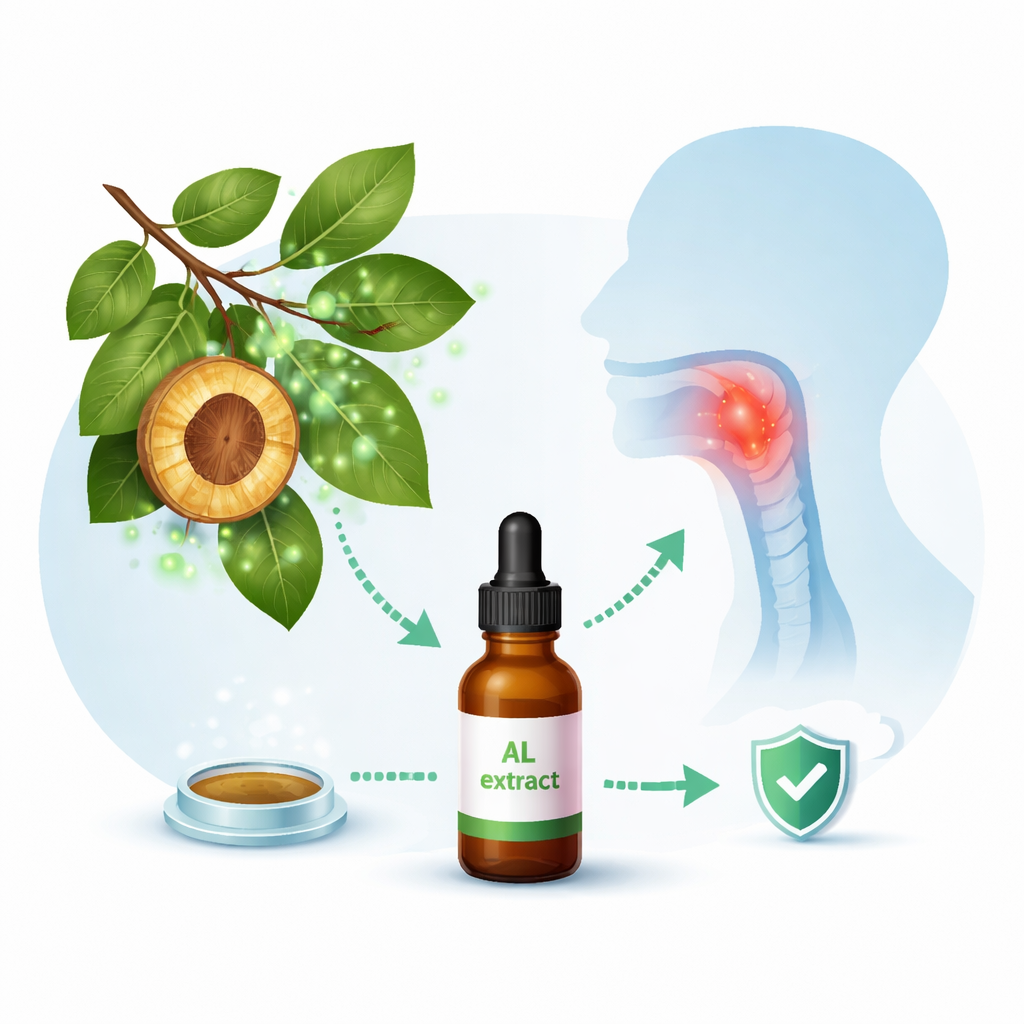
Putting Cancer Cells to the Test
The researchers then turned to human cell lines: two representing laryngeal squamous cell carcinoma (HEp-2 and SCC-90) and one line of normal human fibroblasts (Detroit-551) as a comparison. Using color-based tests that indicate how many cells remain alive and active, they exposed the cells to increasing doses of the tree extract over 24 and 48 hours. Cancer cell survival dropped sharply in a dose- and time-dependent fashion, while normal fibroblasts were much less affected, even at far higher concentrations. Microscopy with fluorescent live/dead staining visually confirmed these findings, showing green (living) cancer cells being replaced by red (dead) cells as the dose increased. This pattern suggests the extract is not just toxic in general, but shows some selectivity for cancer cells over healthy ones.
Slowing Cell Movement and Triggering Cell Suicide
Cancer is dangerous not only because cells grow unchecked, but also because they can migrate and invade new tissues. To model this, the team created tiny “wounds” in a sheet of laryngeal cancer cells and watched how quickly the cells moved in to close the gap. With the Artocarpus extract present, the wound closed more slowly, indicating reduced cell movement and a potential to limit spread. At the same time, the scientists measured key molecules that control programmed cell death, or apoptosis—a built-in self-destruct system. They found that treatment increased levels of pro-death markers (CASP-3 and BAX) and decreased levels of a survival marker (BCL-2), both at the gene and protein level. Together, these shifts show that the extract pushes cancer cells toward orderly self-destruction while damping down their ability to survive and migrate. 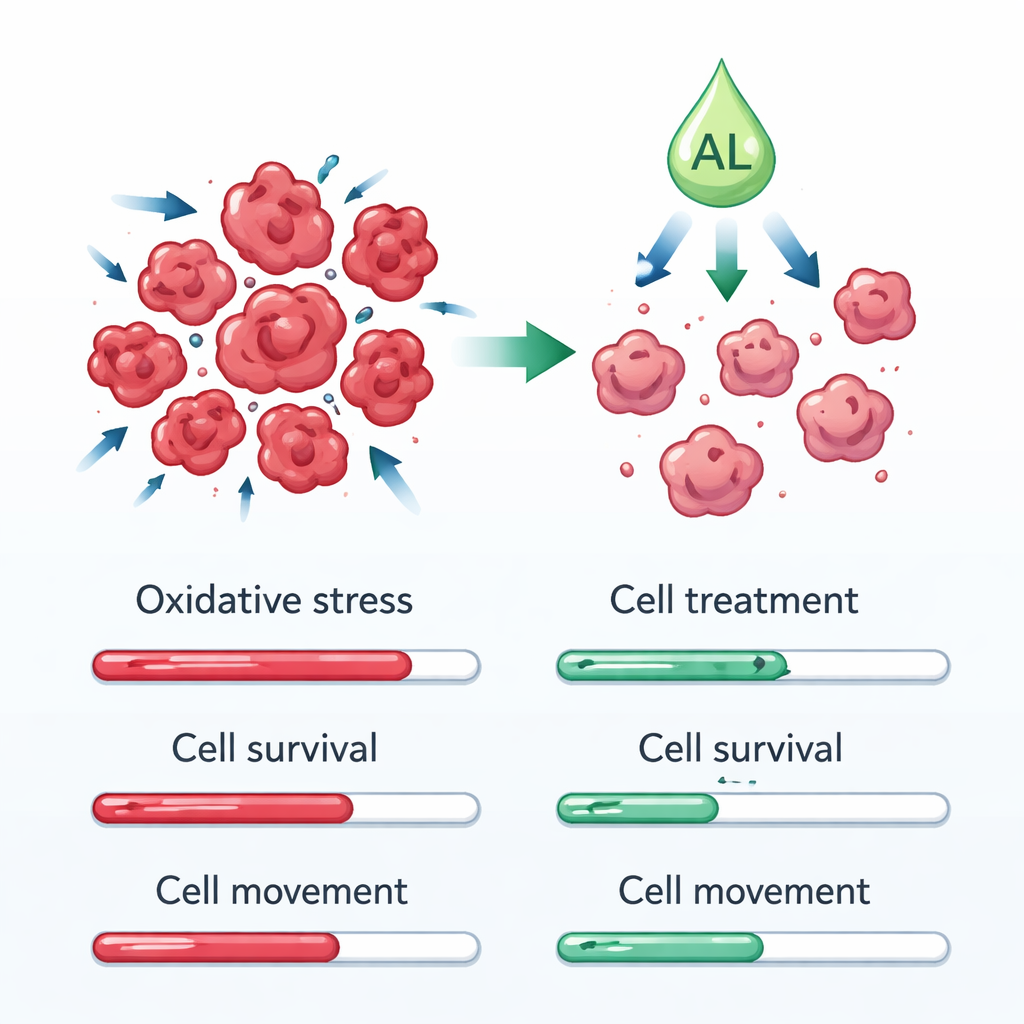
What This Could Mean for Future Treatments
In plain terms, this study shows that an antioxidant-rich extract from Artocarpus lakoocha can, under controlled lab conditions, kill laryngeal cancer cells, slow their movement, and flip their internal switches from survival mode to self-destruct. Importantly, normal cells were more resistant to these harmful effects, hinting at a possible safety window. These findings are preliminary and limited to cell cultures—they do not yet prove that the extract will be safe or effective in animals or people. Still, they highlight a promising natural compound that may inspire future drug development or combination therapies for hard-to-treat throat cancers, illustrating how traditional plants can provide modern scientific leads.
Citation: KURAN, G., ÖZDAŞ, S., ÖZDAŞ, T. et al. The antioxidant capacity and in-vitro anticancer effects of Artocarpus lakoocha Roxb. against laryngeal cancer cells. Sci Rep 16, 7666 (2026). https://doi.org/10.1038/s41598-026-38501-y
Keywords: laryngeal cancer, Artocarpus lakoocha, oxyresveratrol, natural anticancer agents, antioxidant activity