Clear Sky Science · en
Food safety and hygiene practices utilized by native street food vendors in Yamfo Community, Ghana and its impact on consumer health
Why Street Food Safety Matters
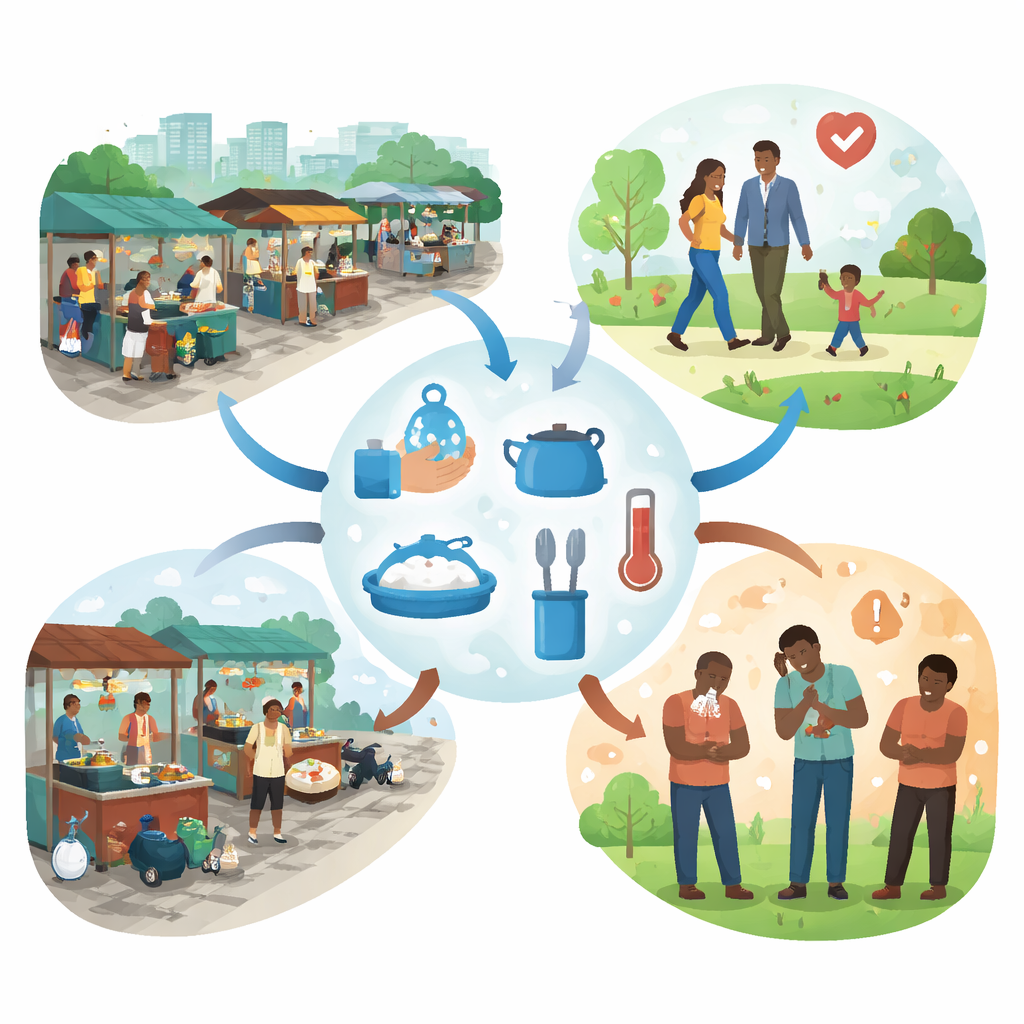
Street food is a daily lifeline for many people, offering quick, affordable meals close to work, school, and home. But when food is prepared or served without proper cleanliness, it can quietly carry germs that cause diarrhoea, stomach pain, and even life‑threatening infections. This study looks closely at street food vendors in Yamfo, a growing town in Ghana, to find out how well they follow basic hygiene steps and how those habits affect the health of the people they feed.
A Closer Look at Food Stalls in Yamfo
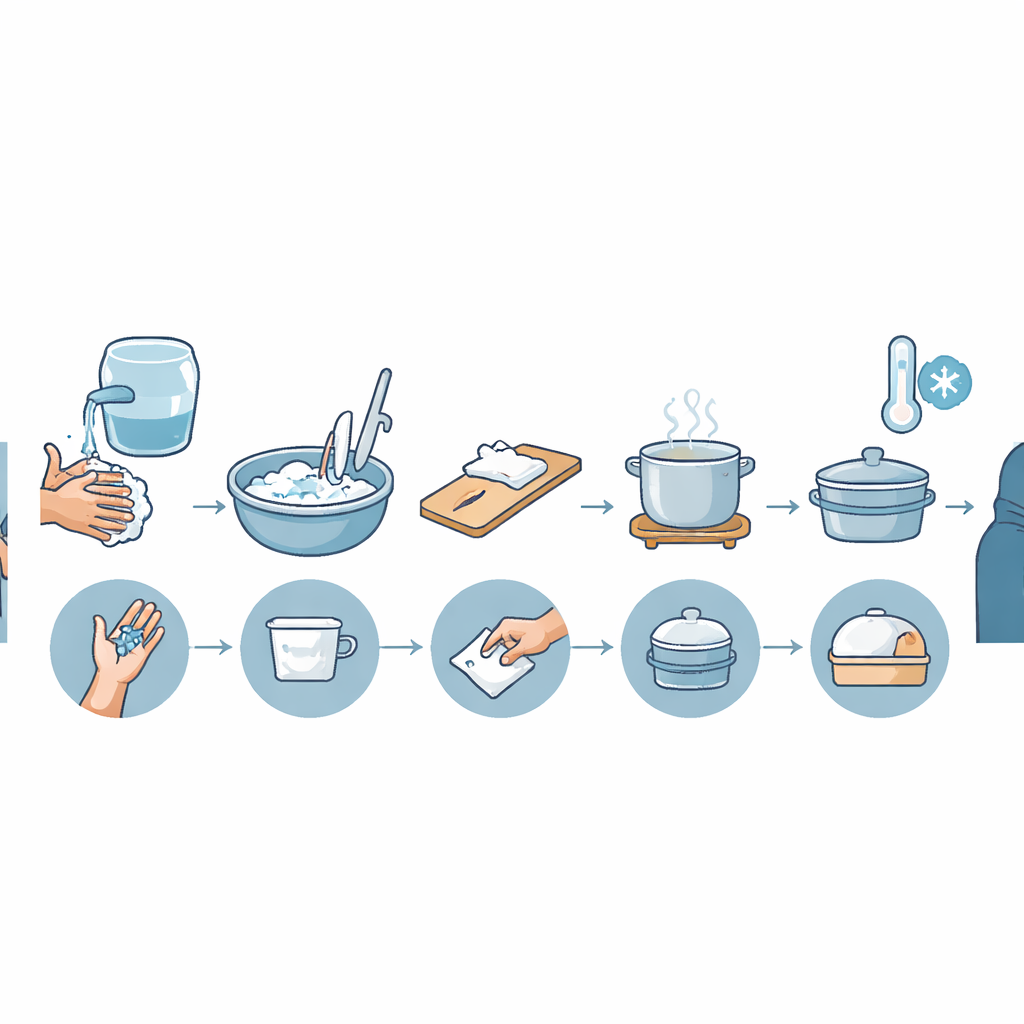
The researchers surveyed 251 street food vendors in Yamfo, where most residents rely heavily on ready‑to‑eat meals sold in open spaces. Nearly three‑quarters of the vendors were women, and more than 60% were under 34 years old. Education levels varied widely, from no formal schooling to tertiary education. Using a structured questionnaire, the team asked vendors how often they washed their hands at critical moments, kept utensils clean, used safe water, and protected food from contamination. They also checked how these behaviours lined up with the World Health Organization’s “Five Keys to Safer Food” — keeping clean, separating raw and cooked food, cooking thoroughly, keeping food at safe temperatures, and using safe water and raw materials.
Clean Hands, Dirty Money
The study found a mixed picture of hand hygiene. Most vendors said they always washed their hands after using the toilet (about four out of five) and after handling waste or garbage. Many also reported washing before and after touching cooked food. But hygiene slipped in everyday situations that still matter for disease spread. Only around 18% said they always washed their hands after handling money, even though cash passes through many hands and can carry germs. Materials for drying hands were rarely available, and some vendors lacked consistent access to soap. When the researchers combined all the answers into a hygiene score, only about two‑thirds of vendors reached what the study considered an acceptable standard; the rest fell below, suggesting a sizeable group of stalls where contamination risks remain high.
What Shapes Hygiene Habits
Hygiene practices were not random; they were strongly shaped by the world around the vendors and their own backgrounds. Access to clean water and basic supplies like soap emerged as crucial. Nearly all vendors said clean water mattered, and statistical analysis confirmed that vendors with reliable water were significantly more likely to follow safer routines. Education and training also played important roles. Vendors with more schooling, as well as those who had learned about food safety, tended to score higher on hygiene measures. Gender and years of experience mattered too: women and those with certain experience levels were more likely to adopt better practices, though very long years in the trade sometimes coincided with slipping standards, possibly due to complacency.
From the Stall to the Stomach
The study went further to see how specific habits affected consumer health. It found that good routines such as sanitising utensils, covering food, thoroughly cooking meals, cleaning work surfaces, and controlling temperature all lined up with better reported health outcomes. Vendors recognised this link: more than nine in ten agreed that good hygiene helps prevent foodborne illness. At the same time, they were keenly aware that customers watch how clean a stall looks. Many vendors had seen buyers stop coming because of poor hygiene, and consumers were more likely to return to stalls that appeared clean and careful. In other words, cleanliness protected both health and livelihood.
Protecting Health Through Simple Changes
Overall, the study concludes that food safety among Yamfo’s street vendors is moderate but far from perfect. The biggest gaps appear around money handling, consistent handwashing, and full use of basic tools like soap, clean water, and food covers. Because these practices clearly influence whether customers fall sick, the authors argue for practical steps: regular training for vendors, simple certification and inspection schemes, and better access to water and waste disposal. For everyday eaters, the message is straightforward: when vendors have the knowledge, the tools, and the support to keep their stalls clean, the risk of getting sick from a quick meal on the street can drop dramatically.
Citation: Barimah, A.J., Nketiah, Y.B., David, AB. et al. Food safety and hygiene practices utilized by native street food vendors in Yamfo Community, Ghana and its impact on consumer health. Sci Rep 16, 8367 (2026). https://doi.org/10.1038/s41598-026-38241-z
Keywords: street food safety, food hygiene, Ghana, foodborne illness, public health