Clear Sky Science · en
The chain mediating effect of friendship quality and learning engagement on school climate and primary school students’ academic resilience
Why this matters for children’s futures
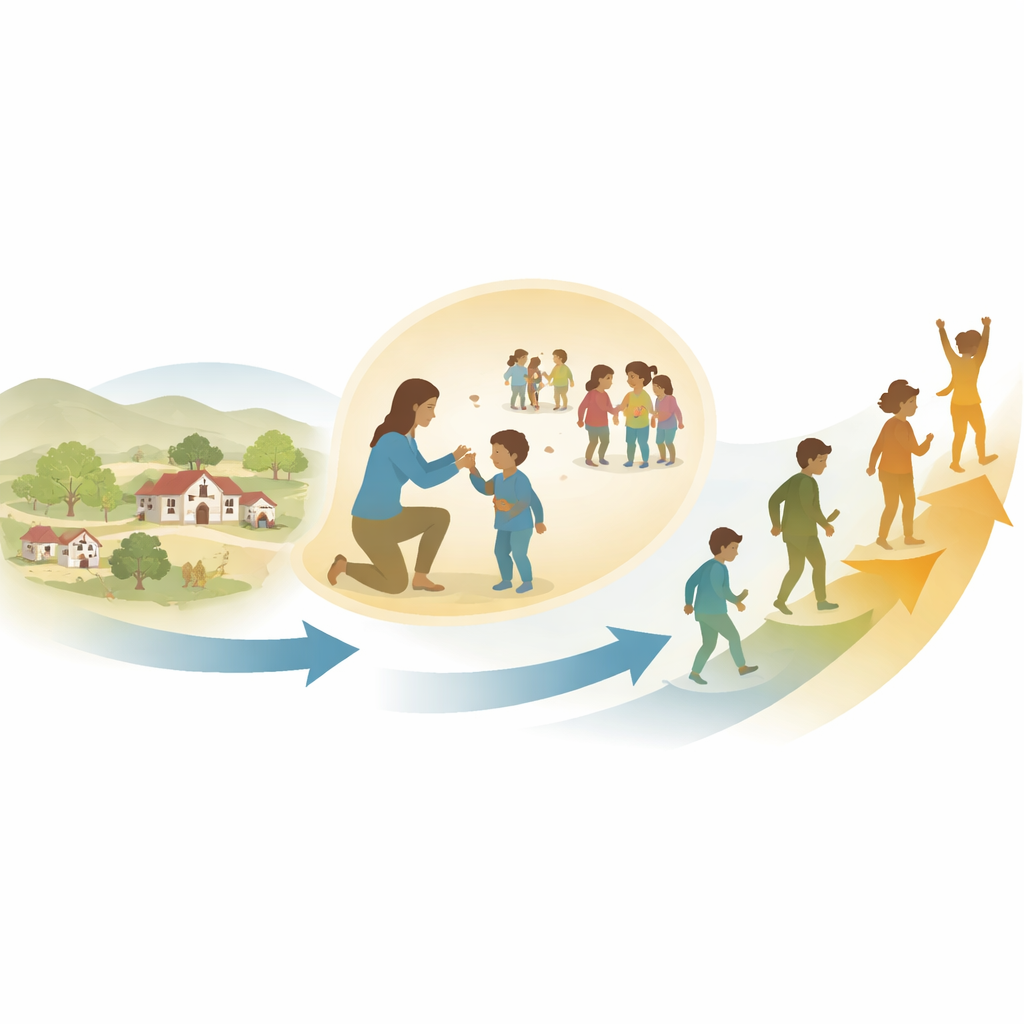
In many poor rural areas, children grow up with few books, overworked parents, and long walks to school—but some still manage to thrive at school against the odds. This study looks at what helps these children bounce back from setbacks and keep learning. By examining primary schools in remote parts of western China, the researchers show how a caring school environment, good friendships, and active participation in class can work together to build “academic resilience” – the ability to keep going and succeed in school despite hardship.
A closer look at rural schools on the margins
The research focuses on public primary schools in isolated rural counties of Gansu Province, where families often have low incomes, parents have limited schooling, and resources such as libraries, labs, and after-school support are scarce. Many children’s parents migrate for work, leaving them with grandparents or other relatives. In these circumstances, school becomes more than a place for lessons: it is the main arena where children receive encouragement, guidance, and structure. The authors surveyed 316 students in grades four to six, asking about how they experience school life, how strong and supportive their friendships are, how engaged they feel in learning, and how well they recover from academic difficulties.
What a nurturing school feels like
Rather than focusing on exam scores alone, the study highlights the importance of “school climate” – the everyday feel of school life. This includes whether teachers are warm and encouraging, whether classmates help one another, and whether students have some say in classroom activities. In a positive climate, students feel safe, respected, and valued. Using established questionnaires, the researchers found that when children perceived their school climate as more supportive, they also reported higher levels of academic resilience. In other words, a school where adults and peers show care and high expectations can partially compensate for the lack of support at home, giving rural children both the confidence and the strategies they need to face demanding schoolwork.
Friends as lifelines in the classroom
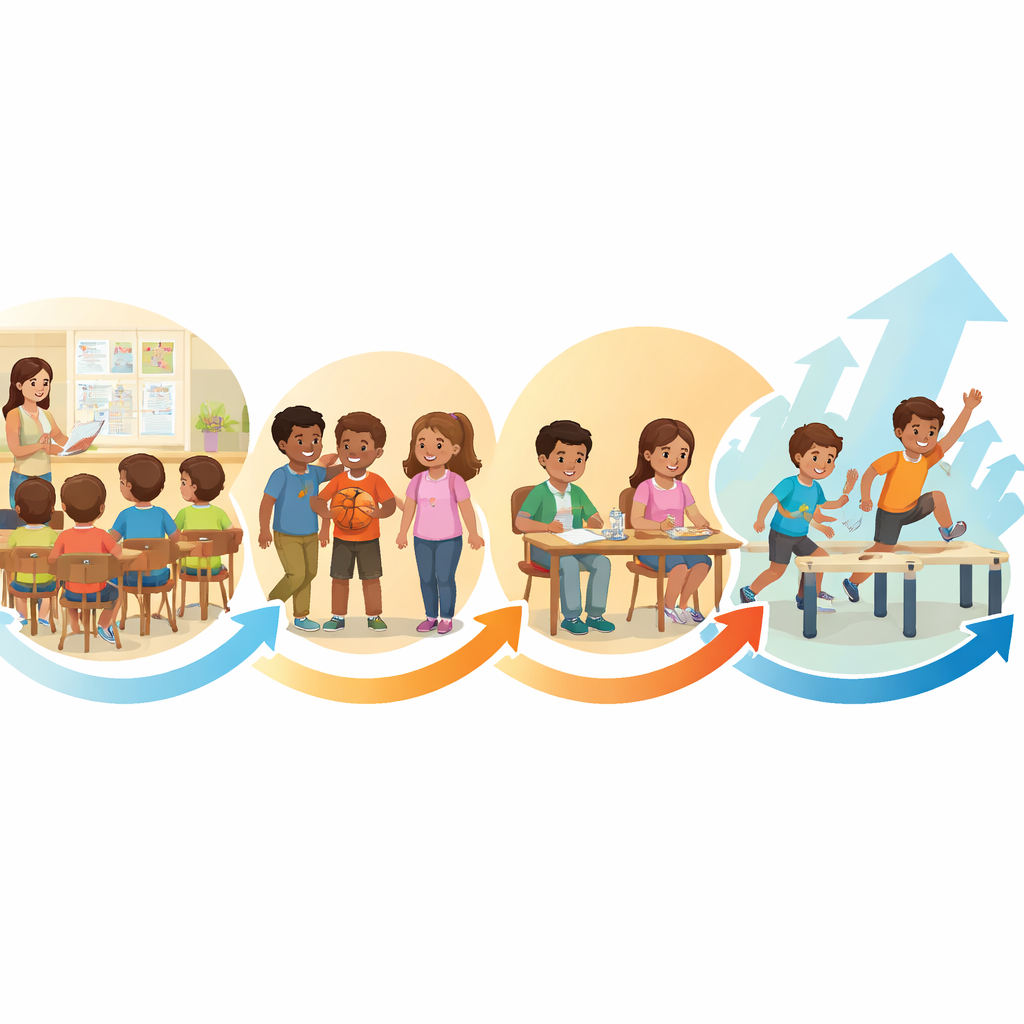
The study goes a step further by showing that the quality of children’s friendships is a key link between school climate and resilience. High-quality friendships—marked by trust, mutual help, and loyalty—were more common in schools that felt warm and inclusive. In these settings, children formed dense support networks: they studied together, shared notes, explained difficult ideas to one another, and offered comfort when someone did poorly on a test. For children whose parents are far away or who cannot provide homework help, such “little teachers” among peers become crucial. Strong friendships not only give emotional security, but also practical help with day-to-day learning, making it easier to persist when school feels hard.
Staying mentally present in learning
The researchers also examined “learning engagement,” meaning how energized, dedicated, and focused students feel while studying. They found that a positive school climate encouraged children to invest more effort and attention in schoolwork, and that this active engagement strongly predicted academic resilience. In effect, good schools help children care about learning, not just endure it. The study shows that friendship quality and learning engagement are linked in a chain: a better school climate fosters better friendships; better friendships support deeper involvement in learning; and together these factors help children bounce back from academic stress and maintain steady progress.
What this means for helping rural children thrive
For a general reader, the main takeaway is that resilience in poor rural schools is not a mysterious inner trait that some children simply have and others lack. It grows out of everyday experiences: warm teachers, fair rules, safe classrooms, trusted friends, and chances to participate actively in learning. The study concludes that improving the social and emotional life of rural schools—by nurturing supportive relationships and meaningful activities—may be one of the most effective ways to narrow education gaps between city and countryside and to help disadvantaged children turn schooling into real opportunity.
Citation: Guo, L., Hu, J., Xie, D. et al. The chain mediating effect of friendship quality and learning engagement on school climate and primary school students’ academic resilience. Sci Rep 16, 8472 (2026). https://doi.org/10.1038/s41598-026-38205-3
Keywords: academic resilience, rural education, school climate, friendship, student engagement