Clear Sky Science · en
Information Needs for HPV Vaccination Among Different Female Population Groups in China
Why this matters for women and families
Cervical cancer is one of the few cancers we can largely prevent, yet vaccination rates against the virus that causes it—human papillomavirus, or HPV—remain very low in China. This study asks a surprisingly simple but crucial question: what information do women actually want and need to feel comfortable getting the HPV vaccine for themselves or their daughters? By listening closely to different groups of women, the researchers show that the messages used in health campaigns may be out of sync with real concerns, and that better‑targeted information could help protect many more women from cancer.
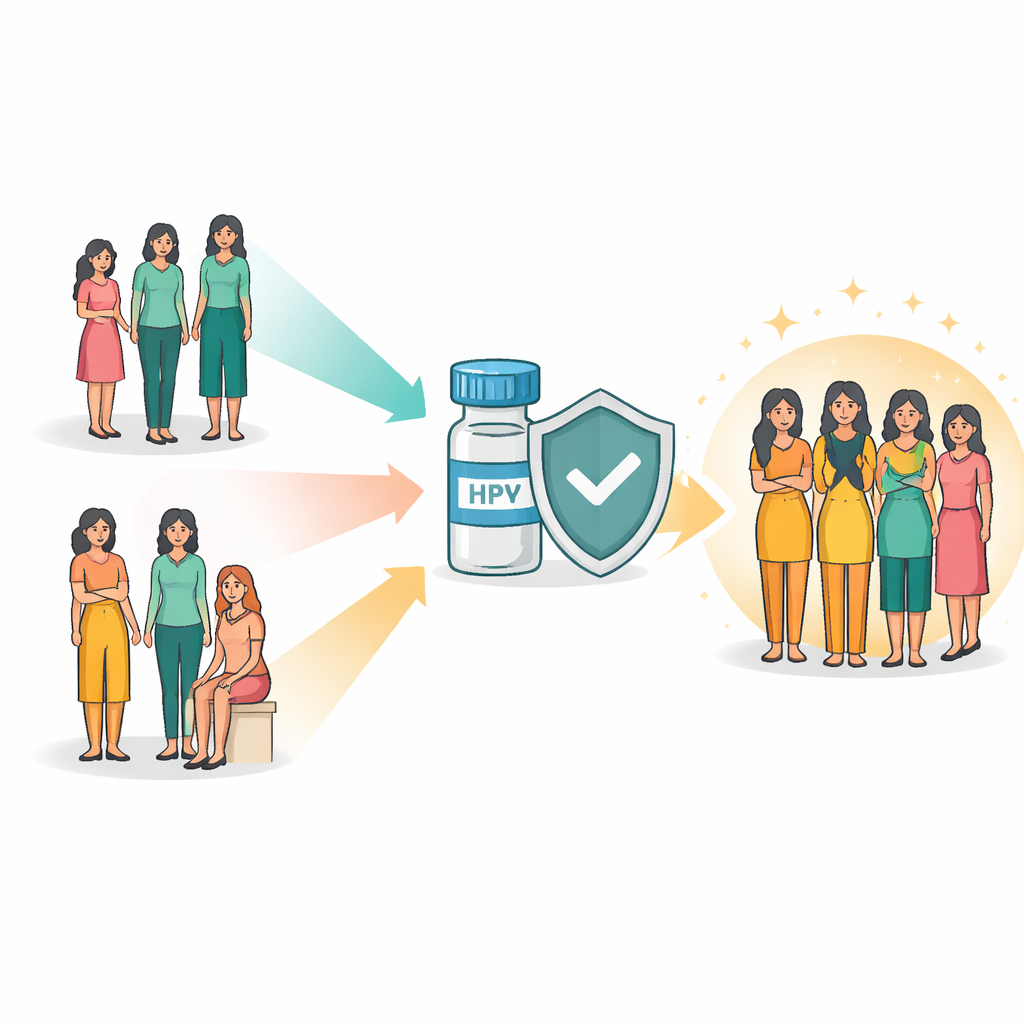
Different women, different situations
The research focused on three groups in one Shanghai district: parents of girls aged 9 to 14, adult women living in the community, and women visiting a cervical clinic. All were in the age range typically eligible for HPV vaccination. Parents were mostly mothers in their late thirties and early forties deciding for their daughters. Community residents were adult women approached by their family doctors. Outpatients were women already receiving gynecologic care, many of whom had a history of HPV infection in the family. Together, these groups reflect a wide range of life stages, health experiences, and attitudes toward vaccination.
Measuring priorities instead of asking general opinions
Rather than conducting open‑ended interviews, the team used a method called “best‑worst scaling” to rank seven types of HPV vaccine information. In short choice tasks, each woman repeatedly saw four information items and picked which one she most wanted to know and which one she least wanted to know. Across many such choices, the researchers could calculate which topics rose to the top. The seven topics included vaccine safety, how to choose among different vaccine types, how long protection lasts, whether vaccination changes the need for screening, who should get vaccinated and at what age, what to do before vaccination, and how to access and pay for the vaccine.
What women care about most
Across all three groups, three themes clearly stood out as most important: safety, how to choose a vaccine, and how long the protection lasts. Parents of young girls placed the greatest weight on safety, far above other concerns—reflecting the special caution people feel when making decisions for their children. Community residents also ranked safety first, though less intensely. In contrast, clinic outpatients were most interested in how to choose among vaccine options, likely because they were closer to making an immediate decision and may already have accepted that vaccination helps prevent serious disease. Information about who should be vaccinated and at what age, what to do before vaccination, and vaccine price and access tended to be rated as less urgent compared with these top concerns.
How knowledge and hesitancy change information needs
The study also examined how existing knowledge and willingness to vaccinate shape what information people seek. Women with higher knowledge about HPV and cervical cancer tended to want even more detail about safety and how long immunity lasts—suggesting that basic understanding can spark deeper questions rather than settle them. Those with lower knowledge were more focused on practical issues such as how to choose a vaccine, who it is for, and what it costs. Interestingly, parents who were reluctant to vaccinate their daughters were actually more eager for vaccine information than parents who were already willing. For them, unanswered safety questions appear to be a key barrier. Among adult residents and clinic outpatients, however, women who were already willing to get vaccinated were the ones seeking more information, perhaps to move from intention to action.
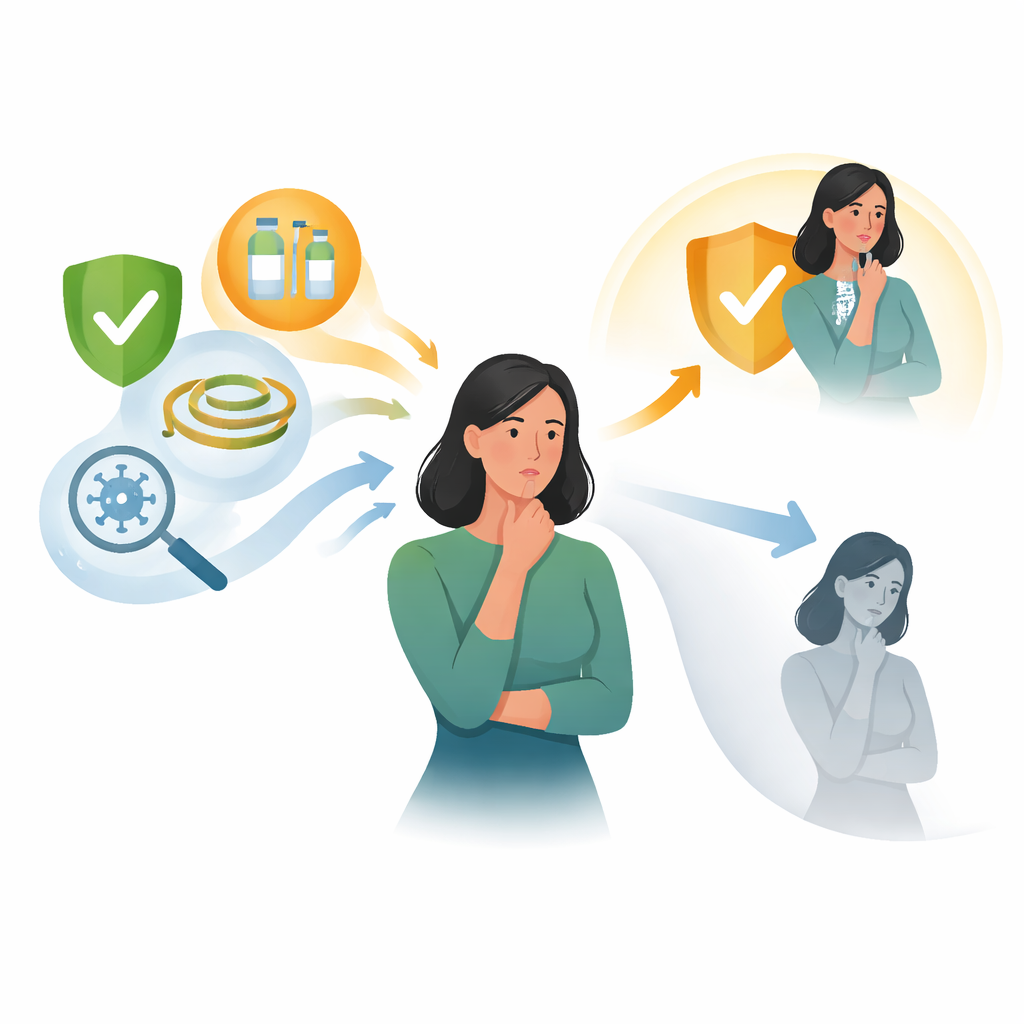
What this means for health messages
The findings suggest that simply repeating that HPV vaccination prevents cancer is not enough to raise coverage. Most women in this study did not doubt the long‑term benefit; they lacked confidence in the details that turn a good idea into a personal decision. Health education that addresses concrete concerns—how safe the vaccines are, how to choose between different products, how long they work, and the best age to vaccinate—will likely be more persuasive, especially when tailored to parents, general community members, or clinic patients. By reshaping information campaigns around these real‑world questions, public health programs in China and elsewhere may help many more women and girls access the protection that HPV vaccination can offer.
Citation: Li, X., Hu, Y., Zhang, L. et al. Information Needs for HPV Vaccination Among Different Female Population Groups in China. Sci Rep 16, 9019 (2026). https://doi.org/10.1038/s41598-026-38165-8
Keywords: HPV vaccine, cervical cancer prevention, vaccine hesitancy, health education, women’s health