Clear Sky Science · en
The influence of menopausal phase on atrial fibrillation risk in steatotic liver disease patients: a nationwide cohort study
Why this study matters to everyday women
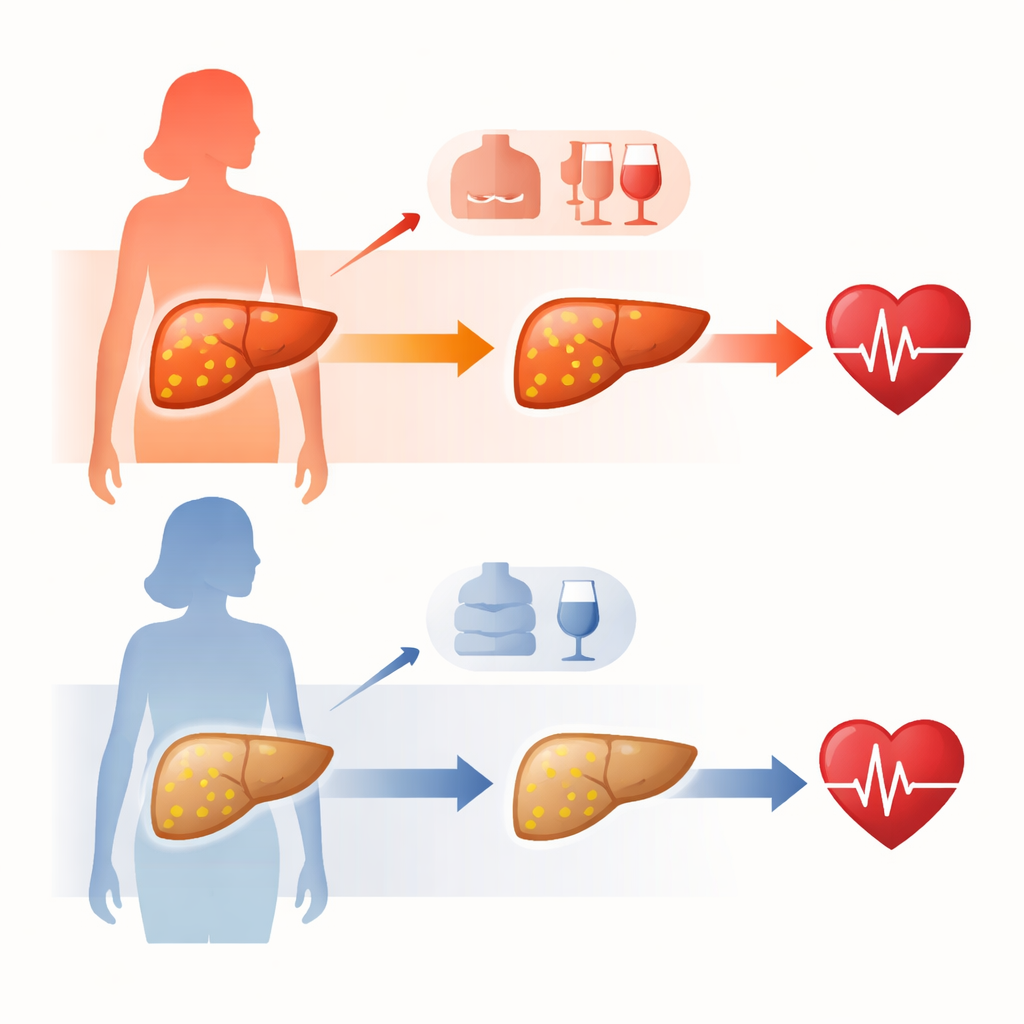
Many women worry about heart health as they age, especially around menopause. This study looks at a surprising connection: how excess fat in the liver, with or without heavy drinking, may raise the risk of an irregular heartbeat called atrial fibrillation. By tracking more than two million Korean women for over eight years, the researchers asked whether this liver problem is linked to heart rhythm trouble differently before and after menopause.
The hidden trio: liver, hormones, and heartbeat
Atrial fibrillation is a common heart rhythm disorder that can lead to stroke and heart failure. Traditional culprits include high blood pressure, diabetes, and obesity. At the same time, fatty liver disease driven by metabolism and lifestyle has become widespread, and menopause itself is known to shift a woman’s risk toward heart disease. This study brings these threads together, examining how different types of fatty liver disease interact with a woman’s hormonal stage to influence the chance of developing atrial fibrillation.
Who was studied and how
The researchers used South Korea’s national health insurance database, which covers nearly the entire population. They focused on more than 2.18 million women over age 40 who had health checkups in 2009 and no prior atrial fibrillation, liver cancer, or hysterectomy. Because liver scans and biopsies were not available, they estimated fatty liver using a standard score based on body weight, waist size, blood fats, and a liver enzyme level. Women were grouped as having no fatty liver, metabolic dysfunction–related fatty liver, metabolic fatty liver plus other liver causes, fatty liver with moderate alcohol use, or alcohol-related liver disease. Each woman was classified as premenopausal or postmenopausal based on questionnaires about menstrual history.
What the study found about risk
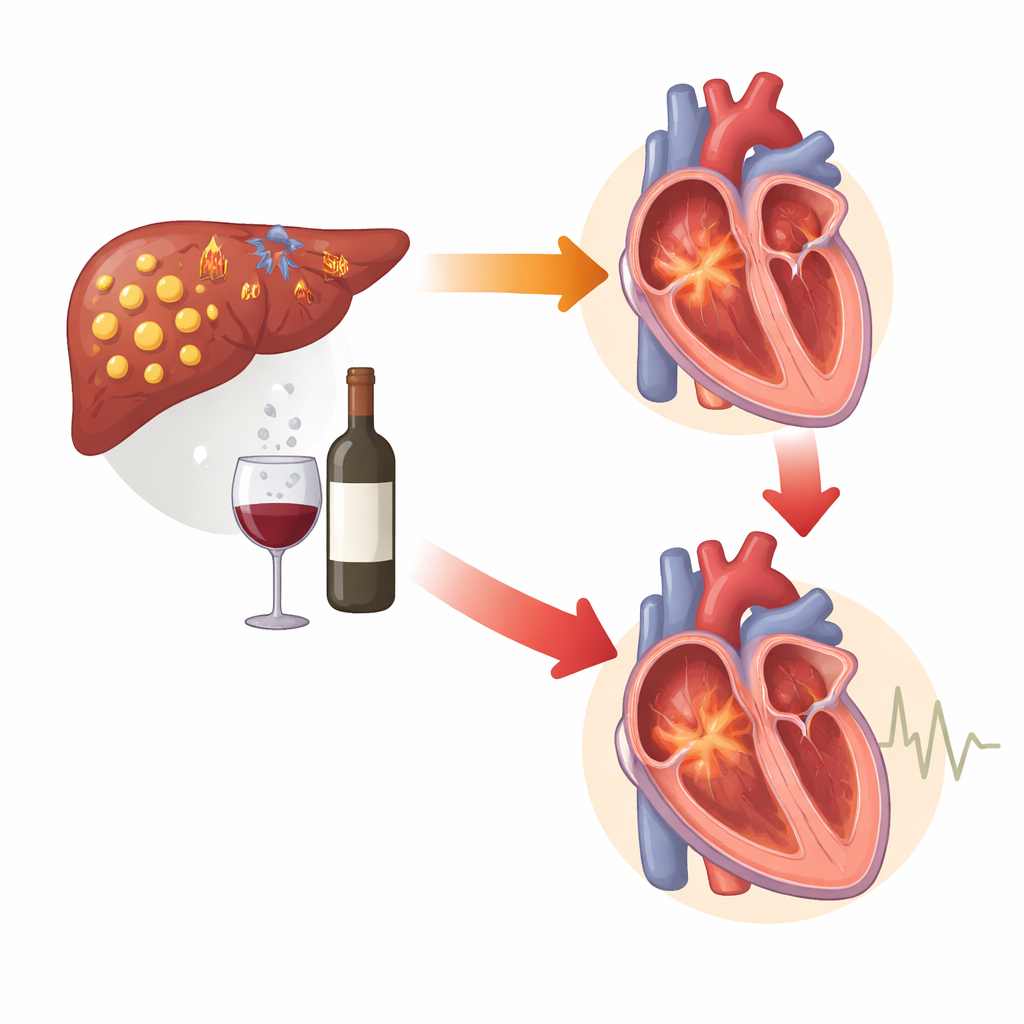
Over an average of 8.3 years, about 47,000 women developed atrial fibrillation. Postmenopausal women had more cases overall, reflecting their higher age and more common health problems such as high blood pressure and diabetes. But when the researchers looked at relative risk—how much fatty liver raised the odds compared with women without it—the picture was striking. In both pre- and postmenopausal women, any form of fatty liver was linked to more atrial fibrillation. The strongest signals came from women whose fatty liver was tied to both metabolic problems and drinking, or to heavy drinking alone. In premenopausal women, alcohol-related liver disease more than doubled the risk of atrial fibrillation compared with peers without fatty liver, even after accounting for age, smoking, exercise, income, reproductive history, and other illnesses.
Why younger women may be especially vulnerable
One of the most intriguing findings was that the relative impact of fatty liver was greater in premenopausal women, despite their lower overall rate of atrial fibrillation. Normally, estrogen offers some protection against belly fat and liver scarring. When a younger woman develops fatty liver anyway—especially when combined with obesity or heavy drinking—it may signal a particularly strong metabolic burden that overwhelms these natural defenses. The authors suggest that this combination may promote inflammation, scarring around the heart, and changes in the heart’s electrical system, creating a fertile ground for rhythm problems well before traditional risk factors appear.
What this means for women’s health
The study cannot prove cause and effect, and it relied on estimated rather than directly measured liver fat. It also included only Korean women, so patterns may differ in other populations. Still, the results support viewing fatty liver as a powerful warning sign of broader metabolic strain. For postmenopausal women, who already face a high absolute risk of atrial fibrillation, fatty liver may justify closer heart rhythm monitoring. For premenopausal women, discovering fatty liver—especially alongside excess weight or substantial alcohol intake—should prompt early lifestyle changes and careful cardiovascular follow-up. In plain terms, the work suggests that protecting the liver through healthy weight, limited alcohol, and active living may also help protect a woman’s heartbeat across the menopausal transition.
Citation: Choi, J., Han, K., Lee, S. et al. The influence of menopausal phase on atrial fibrillation risk in steatotic liver disease patients: a nationwide cohort study. Sci Rep 16, 8205 (2026). https://doi.org/10.1038/s41598-026-38049-x
Keywords: atrial fibrillation, fatty liver disease, menopause, women’s heart health, alcohol and metabolism