Clear Sky Science · en
Utilization patterns and perceived effectiveness of manual therapy for low back pain among Saudi physical therapists: a national cross-sectional study
Why this matters for everyday back pain
Low back pain is one of the most common reasons people miss work, avoid exercise, or visit a clinic. Many patients receive hands-on care from physical therapists, known as manual therapy, to ease pain and restore movement. But how often do therapists actually use these techniques, how useful do they think they are, and does extra training really change what happens in the treatment room? This study took a nationwide look at physical therapists in Saudi Arabia to answer those questions.
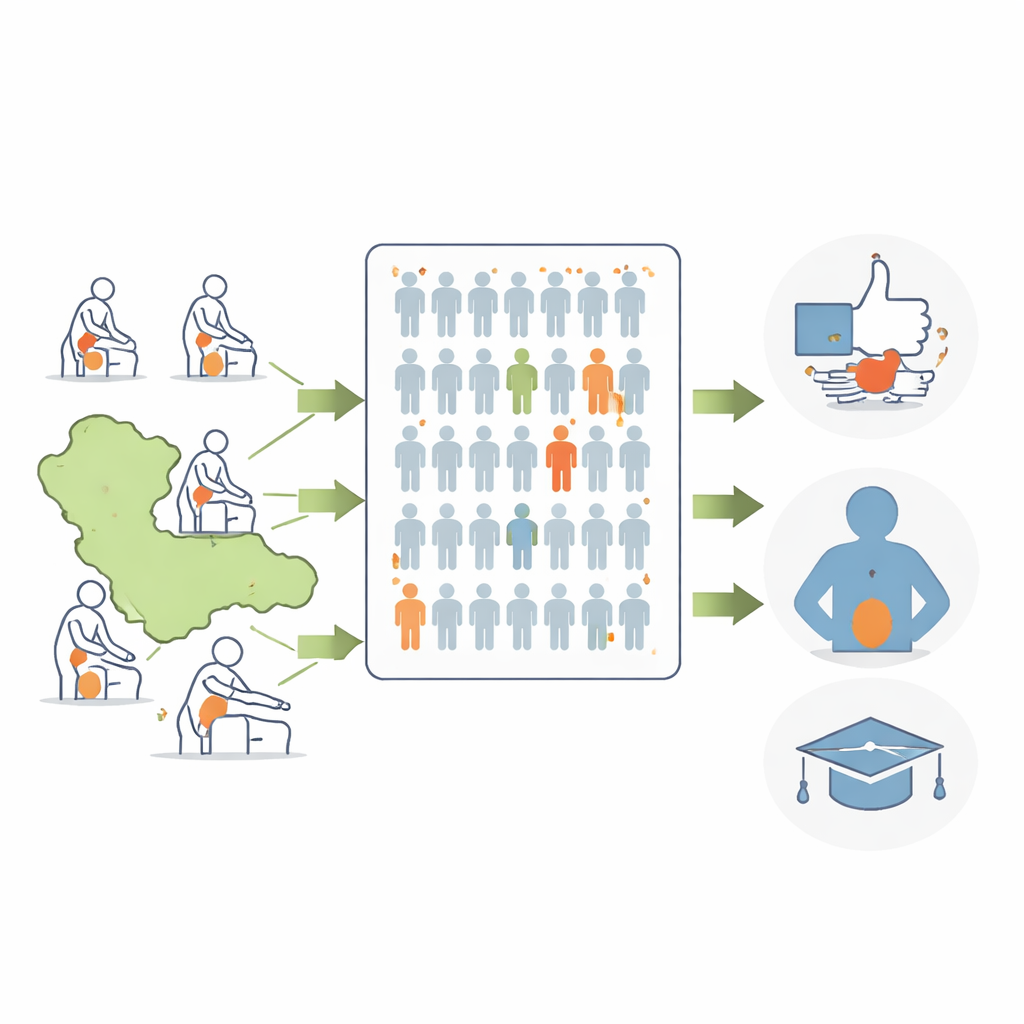
Looking at back care across a whole country
The researchers ran a large online survey from January to March 2025, reaching licensed physical therapists across all five major regions of Saudi Arabia who actively treat people with low back pain. After screening out ineligible or incomplete responses, they analyzed answers from 173 therapists working in government hospitals, private clinics, military hospitals, university centers, and other settings. The questionnaire asked about education and courses in hands-on care, how often therapists used these techniques with back-pain patients, which specific methods they preferred, and how effective they believed these methods to be. It also captured which tools they used to track patient progress, such as pain scales or disability questionnaires.
How often hands-on care is used
The survey revealed that manual therapy is firmly embedded in routine back-pain care in Saudi Arabia. Nearly 9 out of 10 therapists reported using hands-on techniques at least occasionally, and about 1 in 5 said they used them routinely with their low-back-pain patients. Soft-tissue approaches, such as muscle and fascia release, were the most common, followed by several widely taught joint-mobilization styles. Most therapists treated both recent and long-standing back pain and usually combined manual therapy with exercise programs, heat, or electrical stimulation. Pain relief was the top goal, but many also aimed to improve movement and daily function.
Training as the key turning point
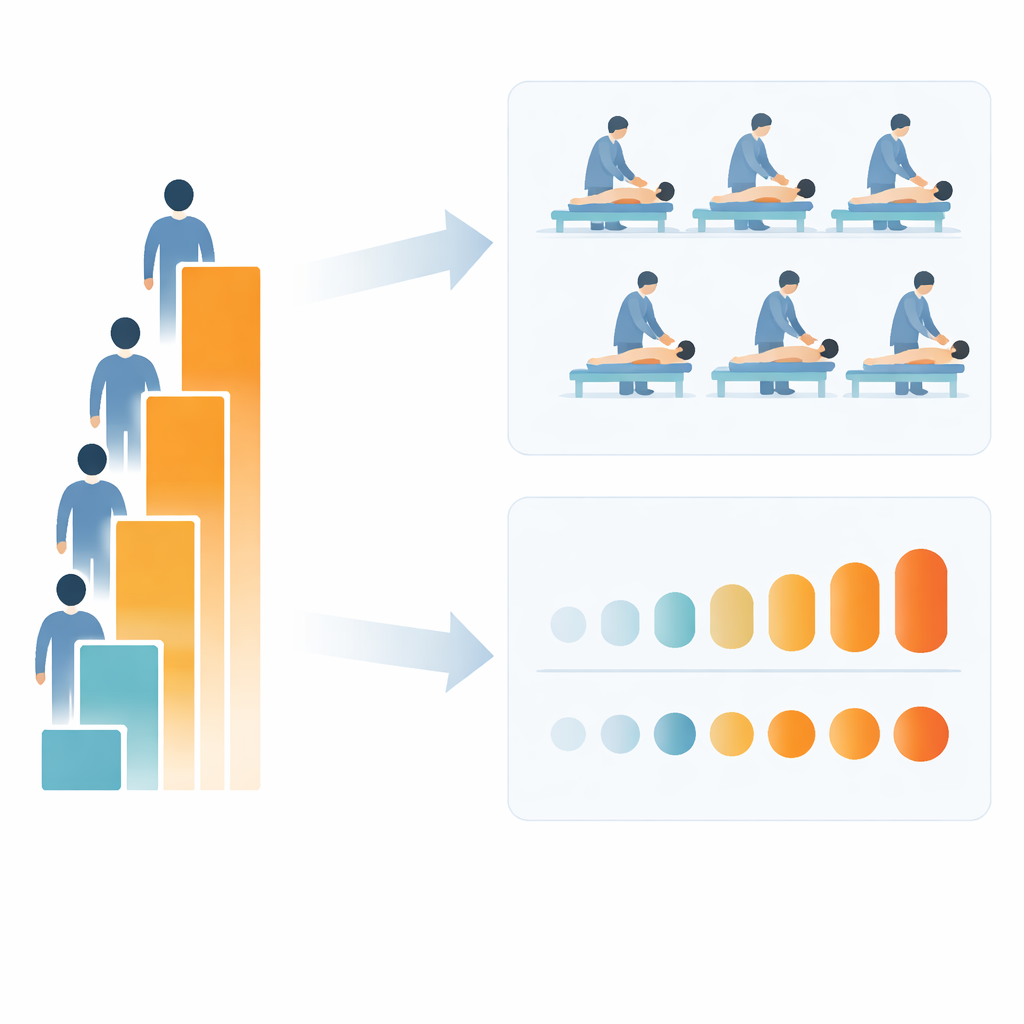
A central finding was that the amount of structured training a therapist had in manual therapy was strongly linked to how often they used it and how effective they believed it to be. Therapists were grouped from no exposure up to extensive exposure, based on university teaching, workshops, and formal certifications. As this exposure level increased, so did reported use of hands-on care and confidence in its value. In contrast, simply having more years of work experience or a higher academic degree did not meaningfully change how therapists used manual therapy or what they thought of it. In other words, targeted skills training mattered much more than length of time in practice.
How therapists judge results
Most participants viewed manual therapy as important in managing low back pain. Over 85 percent rated it as important or very important, and around two-thirds believed combining hands-on care with exercise produced better outcomes than either alone. To check progress, therapists mainly relied on simple pain scales, such as marking pain on a line or rating it from “no pain” to “worst pain.” Fewer than half regularly used detailed disability questionnaires or performance tests that capture how well people move and function in daily life. This pattern suggests that while therapists are enthusiastic about manual therapy, many are not systematically measuring its broader impact beyond pain relief.
What this means for patients and providers
For people living with low back pain, this study shows that hands-on care is widely available and generally trusted by physical therapists in Saudi Arabia. It also highlights that the biggest driver of how confidently and frequently therapists use these techniques is focused training, not just years on the job. At the same time, the study did not test whether manual therapy actually improves patient outcomes; it only captured therapists’ habits and opinions. The authors argue that strengthening training programs and encouraging better use of standardized outcome measures could make back-pain care more consistent and transparent, ultimately helping patients, educators, and health planners make more informed choices.
Citation: Zubayni, Y.M., Alhammad, S.A., Alodaibi, F.A. et al. Utilization patterns and perceived effectiveness of manual therapy for low back pain among Saudi physical therapists: a national cross-sectional study. Sci Rep 16, 8551 (2026). https://doi.org/10.1038/s41598-026-38025-5
Keywords: low back pain, manual therapy, physical therapy, clinical training, Saudi Arabia