Clear Sky Science · en
Level of occupational stress and quality of life among construction workers in Malaysia
Why construction stress matters to everyone
Modern cities rise on the backs of construction workers, but the people who build homes and offices often pay a hidden price in their health and happiness. This study looks at construction workers in Malaysia and asks a simple question with far-reaching consequences: how does the stress of their workday affect their overall quality of life? The answers shed light not only on safety at building sites, but also on how fair pay, reasonable hours, and proper rest can protect both bodies and minds.
The daily reality on building sites
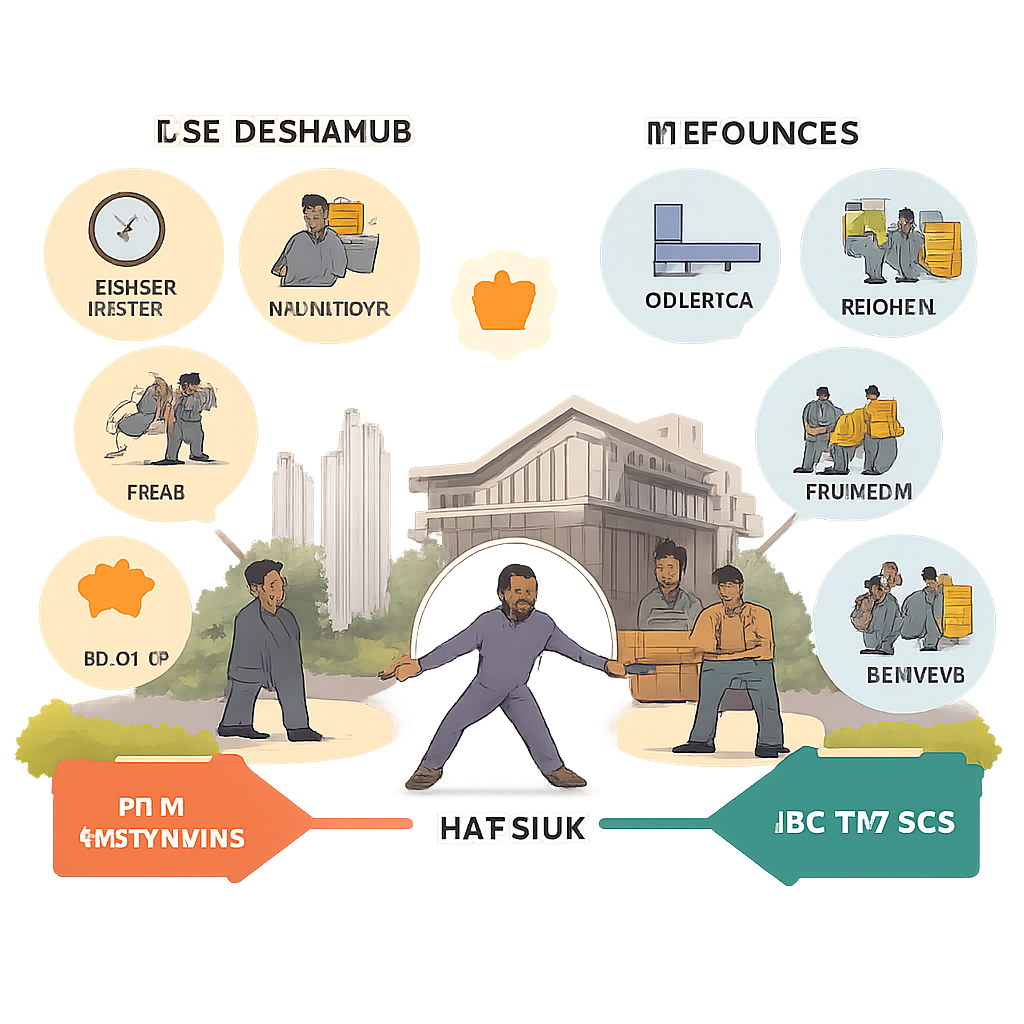
Construction is one of the most dangerous jobs in the world. Workers face the risk of falls, heavy loads, loud noise, and dust that can damage their lungs. On top of these physical dangers, they cope with long hours, tight deadlines, job insecurity, and harsh weather. In Malaysia, many of these workers are migrants who may live in crowded housing, have unstable income, and struggle with language barriers. Despite the importance of construction to the national economy, little research had closely examined how all these pressures combine to affect workers’ stress levels and their day-to-day sense of well-being.
How the researchers measured stress and life quality
The research team surveyed 85 workers at three residential construction sites in Johor and Kuala Lumpur, covering high-rise towers, medium-rise blocks, and landed houses. Participants completed a detailed questionnaire that gathered information on their age, income, job role, work hours, lifestyle habits, and health. Two established tools were used: the Occupational Stress Index to rate how pressured they felt at work, and the World Health Organization’s Quality of Life survey to capture physical, psychological, social, and environmental well-being. The team then used statistical tests to look for patterns and to identify which job and personal factors best predicted high stress and poor quality of life.
What the study found on stress and well-being
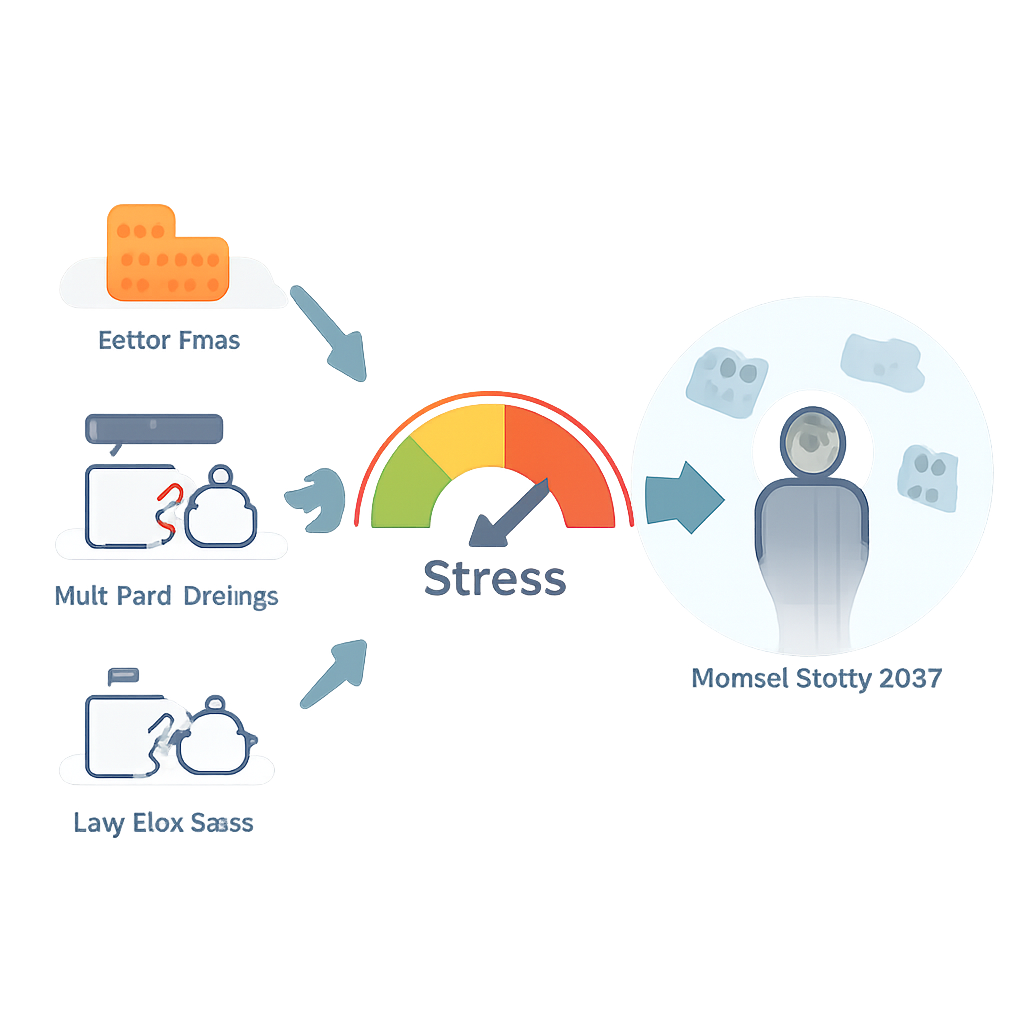
The results were concerning. Nearly half of the workers reported high levels of occupational stress, and more than half rated their quality of life as low. Sites differed sharply: at one site, stress scores were much higher and life satisfaction much lower than at the others, hinting that management style and site conditions matter. Heavy workloads, frequent overtime, and severe fatigue were common, and many workers smoked, drank alcohol, or had trouble sleeping—signs that they were struggling to cope. Importantly, the study found a strong negative link between stress and quality of life: as stress scores went up, life quality scores dropped sharply.
Money, time, and rest: the key levers
Digging deeper, the researchers showed that a few practical factors explained much of the variation in stress and well-being. Workers with higher household incomes tended to feel less stressed and reported better quality of life, likely because steady pay helps cover basic needs, reduces financial worry, and supports healthier lifestyles. In contrast, the more days a person worked each month, the more stressed they felt and the worse they rated their life. Breaks played a protective role: longer rest periods during the workday were linked to lower stress and better well-being, an effect that is especially important in Malaysia’s hot, humid climate. Together, these patterns fit a widely used idea in occupational health called the Job Demand–Resource model, which holds that high demands drain people, while resources like time, support, and control help them recover.
What this means for workers and society
For a lay reader, the core message is straightforward: if construction workers are pushed too hard, paid too little, and given too little time to rest, their overall quality of life drops. This is not only a personal tragedy for the workers and their families; it can also lead to more mistakes, accidents, and long-term health problems that society ultimately bears. The study suggests clear, realistic steps: enforce limits on working hours, ensure fair and predictable pay, design climate-sensitive rest schedules, offer multilingual mental health support, and routinely monitor stress as part of safety checks. By treating psychosocial strain as seriously as physical hazards, Malaysia—and other countries facing similar challenges—can protect the people who build its future.
Citation: Nata, D.H.M.S., Kamarolzaman, A.N., Jamil, P.A.S.M. et al. Level of occupational stress and quality of life among construction workers in Malaysia. Sci Rep 16, 7221 (2026). https://doi.org/10.1038/s41598-026-37979-w
Keywords: construction workers, occupational stress, quality of life, work hours and rest, Malaysia