Clear Sky Science · en
Assessment of self-management empowerment program on sense of coherence, self-efficacy and postpartum anxiety in cesarean mothers randomized trial
Why this matters for new mothers
For many women, a cesarean birth is lifesaving—but it can also leave them feeling anxious, overwhelmed, and unsure of themselves as new mothers. This study from Iran tested whether a structured education and support program could help women who have repeat cesarean deliveries feel more in control, more capable in caring for their babies, and less anxious in the crucial weeks after birth.
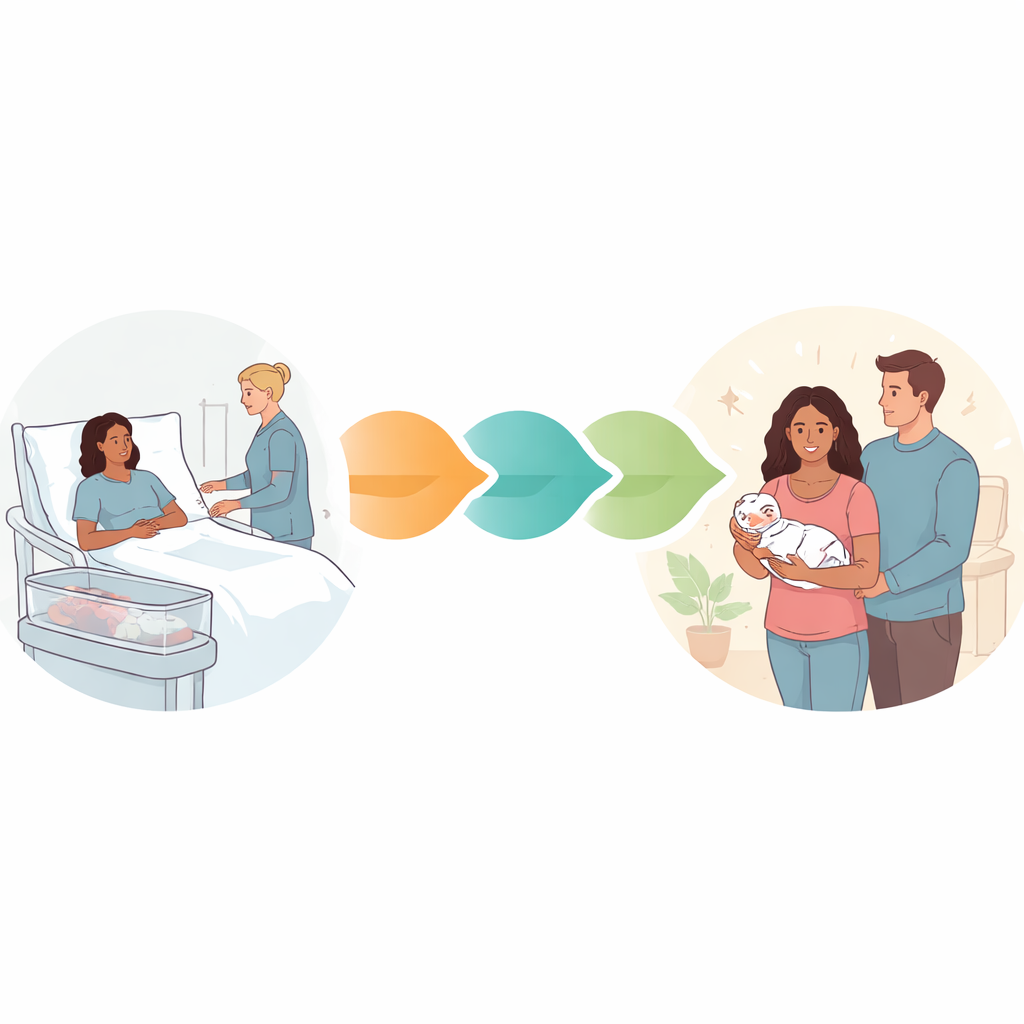
The challenge after a surgical birth
Pregnancy and birth bring sweeping physical and emotional changes. Women who deliver by cesarean section are at higher risk for anxiety, low mood, breastfeeding problems, and a lingering sense of having “failed” or lost control of their birth experience. These feelings can interfere with bonding, feeding, and day‑to‑day family life. Researchers have noticed that two inner strengths seem especially important in this period: a basic confidence that life’s demands are understandable and manageable (called a sense of coherence), and the belief that “I can handle this” (self‑efficacy). Yet repeat cesarean mothers often score lower on these measures, and most support programs do not target all of these needs at once.
A step‑by‑step empowerment program
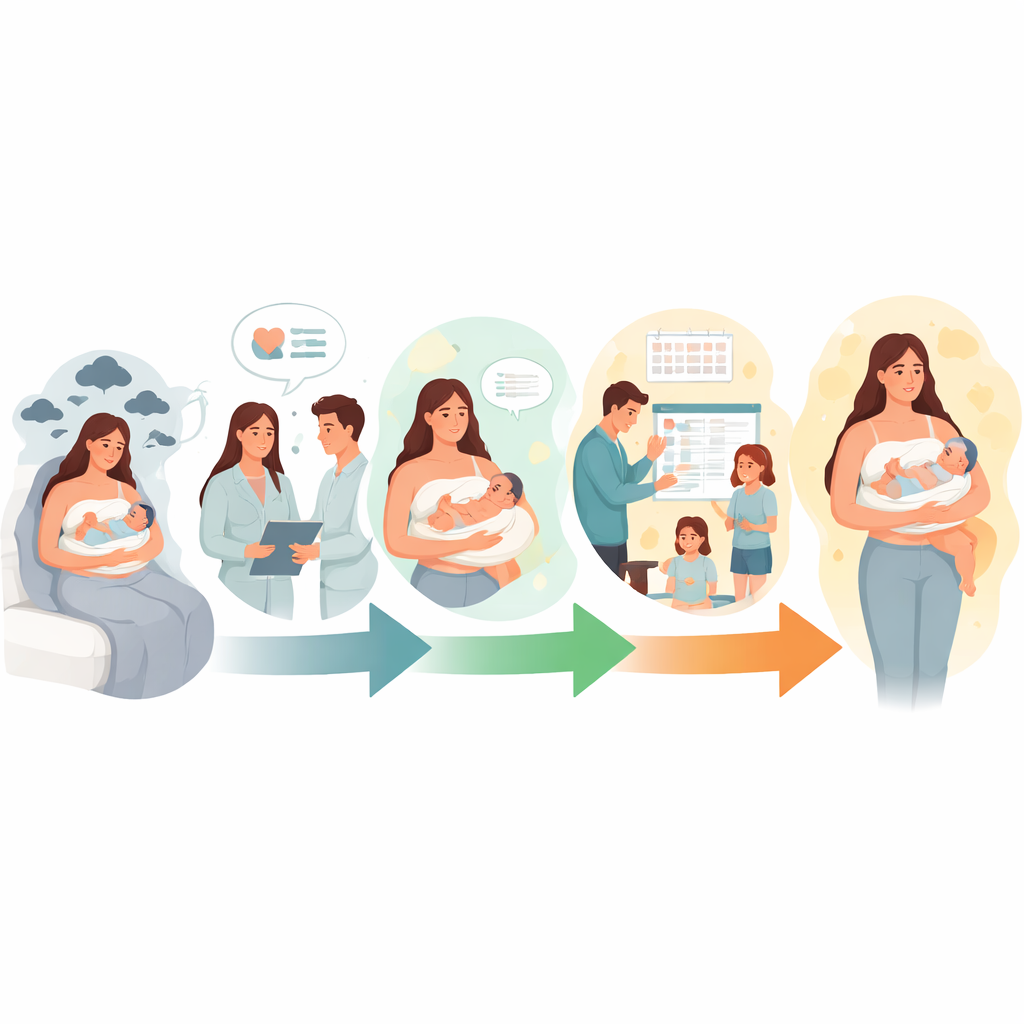
To tackle this gap, the team designed a five‑step self‑management empowerment program for women scheduled for a repeat cesarean at a public hospital in Bushehr, Iran. Ninety‑eight women with at least one previous cesarean were randomly assigned either to the new program or to routine hospital care. Soon after surgery, both groups filled out questionnaires measuring their general confidence in handling life, their sense of competence, and their anxiety levels. Women in the intervention group then took part in two flexible, in‑person sessions before leaving the hospital, focused on becoming aware of changes and challenges, setting realistic goals for recovery and baby care, and planning how to reach those goals. Over the next two months at home, they used an illustrated booklet and received regular phone calls to help them adjust their physical, emotional, and social routines, with progress reviewed along the way.
What changed for participating mothers
After two months, all women repeated the same questionnaires electronically. Compared with mothers who received usual care, those in the empowerment program showed clear improvements. Their belief in their own ability to handle tasks and problems increased, while it slightly declined in the control group. Their basic sense that life events were more understandable, manageable, and meaningful also improved more than in women who did not receive the program, even after researchers adjusted for other factors that could influence mental health. Most strikingly, anxiety scores dropped sharply in the intervention group but stayed essentially unchanged in the control group. These patterns suggest that guided reflection, personalized goal‑setting, and sustained follow‑up can help turn a stressful recovery into a more coherent and manageable experience.
How this fits into the bigger picture
The study’s findings line up with earlier work showing that well‑designed education and counseling can boost confidence and reduce distress in new mothers, especially when support extends into the postpartum period and involves concrete skills and problem‑solving. Unlike one‑off classes or passive materials, this program combined face‑to‑face contact, home practice, and frequent check‑ins over eight weeks. The authors note that their trial had limits: it took place in a single hospital, participants volunteered, and factors such as social support or previous mental health were not fully controlled. Even so, the randomized design and consistent benefits across all three measures strengthen the case that the empowerment model itself made a difference.
What this means for mothers and care teams
For women facing a repeat cesarean, this research offers a hopeful message: with the right structure and support, it is possible to come out of a surgical birth feeling more grounded, not less. A relatively simple program—helping mothers understand their new situation, set attainable goals, practice skills at home, and stay connected with a knowledgeable guide—reduced anxiety and strengthened their inner sense of capability and coherence. The authors recommend weaving such empowerment‑based education into routine postpartum care, especially in settings where resources are limited but nurses and midwives can play a central, ongoing role in supporting mothers’ emotional as well as physical recovery.
Citation: Najafi ShahaliBegloo, F., Kamali, F., Mohamadi, S. et al. Assessment of self-management empowerment program on sense of coherence, self-efficacy and postpartum anxiety in cesarean mothers randomized trial. Sci Rep 16, 7975 (2026). https://doi.org/10.1038/s41598-026-37944-7
Keywords: cesarean postpartum support, maternal anxiety, self-management program, maternal self-efficacy, postnatal education