Clear Sky Science · en
The association between dietary intakes of nitrate and nitrite and odds of metabolic syndrome and its component in adults
Why What Is on Your Plate Matters for Your Waistline and Heart
Metabolic syndrome is a bundle of problems—including large waistline, high blood pressure, unhealthy blood fats, and high blood sugar—that dramatically raises the risk of diabetes and heart disease. With modern diets shifting worldwide, many people wonder which foods quietly push them toward or away from this dangerous state. This study looks at two little-known players found in our everyday meals—nitrate and nitrite—and asks whether they are linked to signs of metabolic trouble in thousands of Iranian adults.
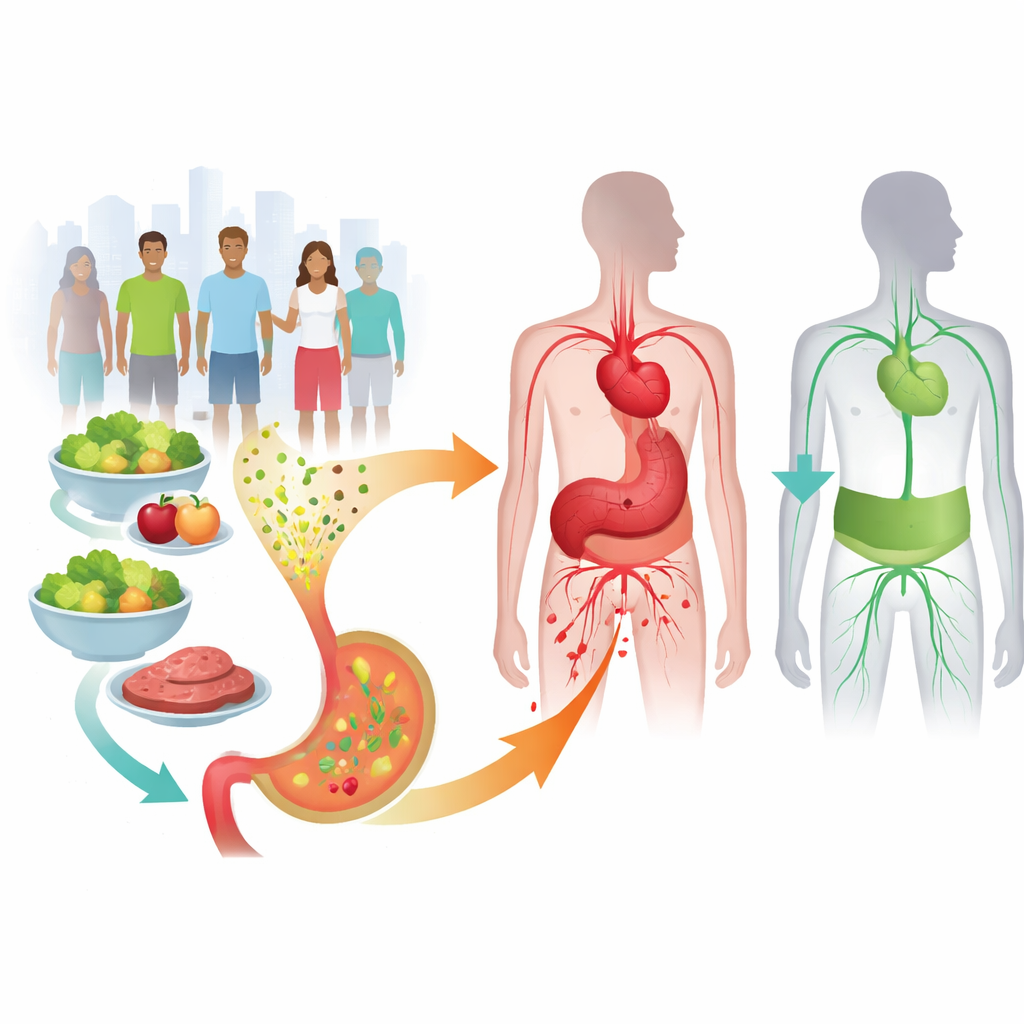
Tiny Molecules Hiding in Everyday Foods
Nitrate and nitrite are naturally present in many foods and also added to some processed products. Leafy greens such as lettuce, spinach, and celery, along with beets and other vegetables, are especially rich in nitrate. Meats and processed meats also contain these molecules, often at lower levels but in a very different nutritional context, with more salt, fat, and compounds that can form harmful by-products. Inside the body, nitrate and nitrite can be converted into nitric oxide, a simple gas that helps blood vessels relax, supports blood flow, and may influence how we handle blood sugar and body fat.
Taking a Close Look at Thousands of Adults
The researchers drew on data from more than 4,000 employees of Tehran University of Medical Sciences, aged 20 to 50. Participants completed a detailed food questionnaire covering 144 common Iranian dishes and foods, allowing the team to estimate their daily nitrate and nitrite intake and to separate what came from plant sources versus animal sources. Everyone underwent measurements of waist size, body weight and fat, blood pressure, and blood tests for cholesterol, triglycerides, and blood sugar. Using standard medical definitions, people were classified as having metabolic syndrome if they met at least three risk criteria, such as large waistline or high blood pressure.
How Nitrate and Nitrite Related to Body and Blood Measures
When the team sorted participants into five groups from lowest to highest nitrate intake, an interesting pattern emerged. Those in the middle range of nitrate consumption were less likely to have full-blown metabolic syndrome than those with the lowest intake. Even more striking, people with the highest intakes of nitrate and nitrite tended to have lower odds of some key pieces of the syndrome: they were less likely to have abdominal obesity, high blood pressure, and low “good” HDL cholesterol. These links remained even after accounting for age, sex, total calorie intake, physical activity, smoking, education, and other lifestyle factors. However, nitrate and nitrite intake did not show clear ties to high triglycerides or high fasting blood sugar when all participants were considered together.
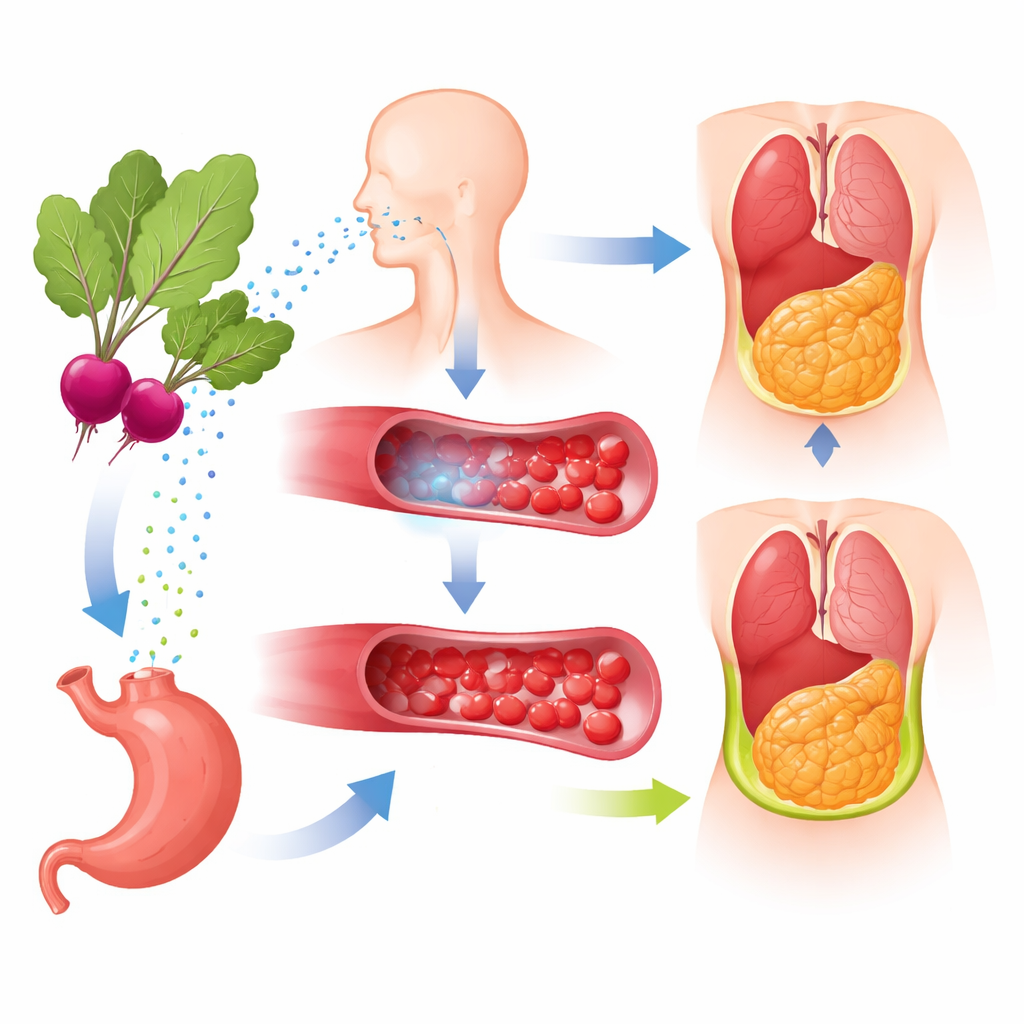
Plants and Meats Tell Different Stories
The source of these molecules turned out to matter a great deal. Higher nitrate and nitrite intake from plant foods—mainly vegetables and fruits—was linked to a lower chance of high blood pressure, large waistline, and low HDL cholesterol. In contrast, higher nitrate and nitrite intake from animal foods, particularly meats and processed meats, was associated with higher odds of high blood pressure and high blood sugar. The authors suggest that plant foods bring along vitamins, antioxidants, and natural plant chemicals that can promote healthy blood vessels and block the formation of potentially harmful nitrosamines in the stomach. Meats, on the other hand, often come packaged with salt, saturated fat, and compounds that can damage blood vessels and disrupt insulin function.
What This Means for Everyday Eating
For readers, the key message is not to seek out nitrate and nitrite in isolation, but to pay attention to the company they keep. In this large group of Iranian adults, people whose nitrate and nitrite mostly came from vegetables and other plant foods tended to show healthier waistlines, blood pressure, and cholesterol profiles, while those whose intake came mainly from animal sources tended to fare worse. Because this study offers a snapshot in time, it cannot prove cause and effect, and controlled trials are still needed. Nonetheless, the findings support a familiar but powerful idea: building meals around vegetables and other plant foods—and not around processed meats—may help protect against the cluster of risks known as metabolic syndrome.
Citation: Mirzababaei, A., Mahmoodi, M., Keshtkar, A. et al. The association between dietary intakes of nitrate and nitrite and odds of metabolic syndrome and its component in adults. Sci Rep 16, 10052 (2026). https://doi.org/10.1038/s41598-026-37907-y
Keywords: metabolic syndrome, dietary nitrate, leafy vegetables, blood pressure, abdominal obesity