Clear Sky Science · en
Chemometric and metabolomic profiles of global tea brands sold in Saudi Arabia
What’s Really in Your Daily Cup of Tea?
For many people, tea is more than a drink—it’s a daily ritual tied to comfort, focus, and health. But the leaves that go into your teabag can also carry metals from the soil, factory, and packaging, along with a complex mix of natural plant chemicals. This study looked closely at 20 popular black tea brands sold in Saudi Arabia, imported from several countries, to ask a simple question with big implications: What exactly are we sipping, and is it as safe and beneficial as we think?
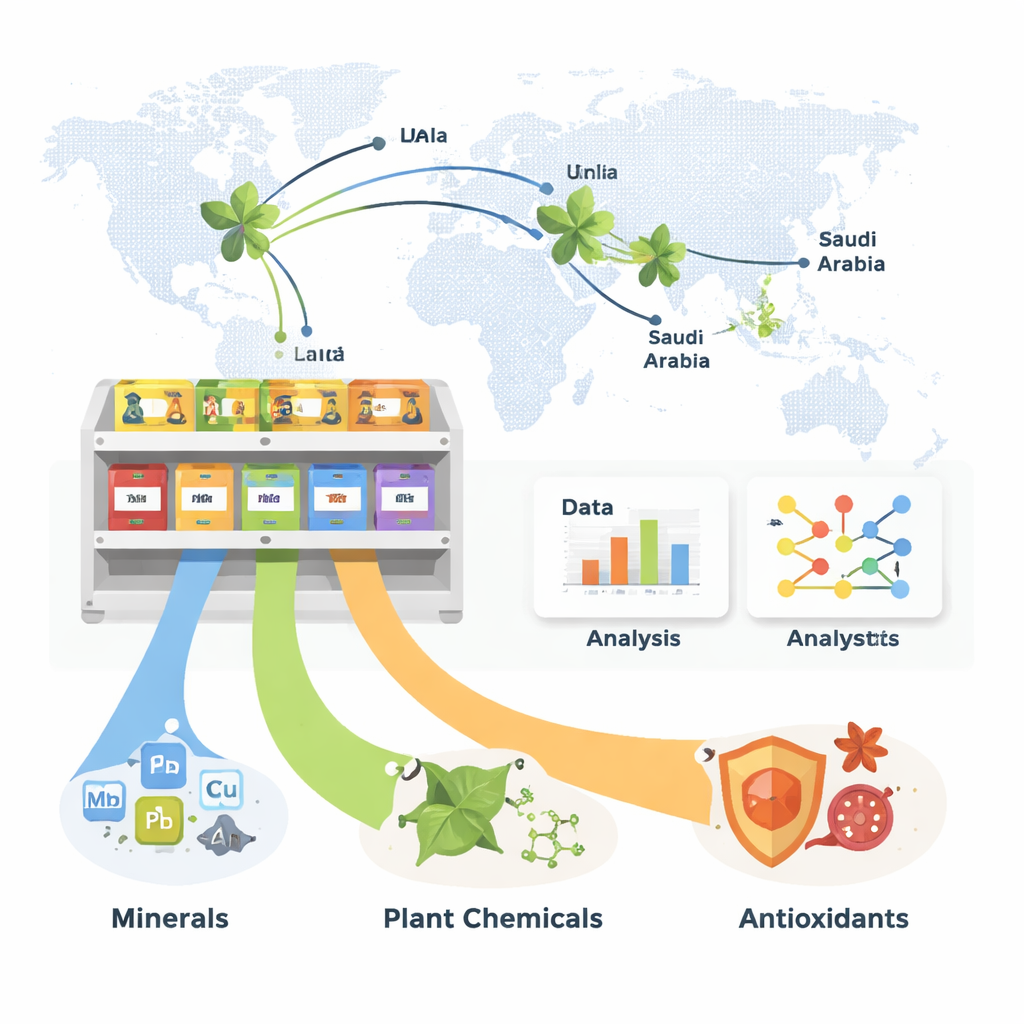
How Scientists Took Tea Apart
The researchers bought 20 widely available commercial tea brands from the Saudi market, sourced from Sri Lanka, India, the United Arab Emirates, Saudi Arabia, and the United Kingdom. Instead of judging them by flavor or aroma, they focused on four hidden features: mineral content (including helpful and harmful metals), overall antioxidant strength, total phenolic content (a broad group of plant-based compounds often credited for health benefits), and a detailed profile of smaller plant chemicals known as phytochemicals. To do this, they used powerful laboratory tools: one instrument separated and measured trace metals, another mapped plant chemicals, and classic antioxidant tests gauged how well each tea could neutralize damaging molecules called free radicals.
Good Minerals, Worrying Metals
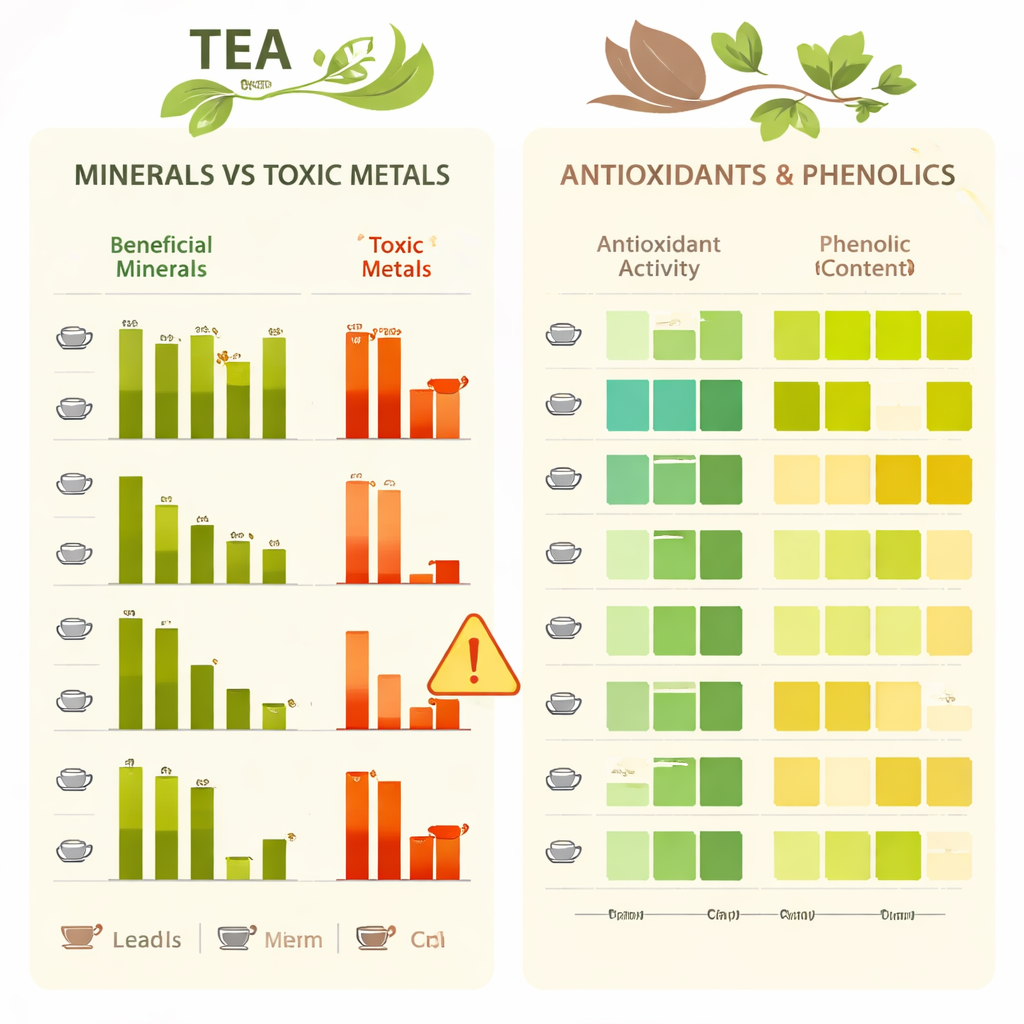
The mineral tests showed that tea leaves are rich in certain metals naturally absorbed from soil, such as aluminum and manganese, and they also contained zinc and copper in smaller amounts. These elements can be part of normal plant nutrition and, at low levels, can contribute to the human diet. However, one brand stood out for the wrong reason: it contained sharply elevated amounts of lead and cadmium, two toxic metals linked to nerve damage, kidney problems, and other long-term health risks if consumed regularly. The patterns of metals suggested mixed influences—from the geology of tea-growing soils to possible pollution, fertilizers, or industrial equipment used during processing.
The Chemistry Behind Tea’s Kick and Health Halo
When the team examined the plant chemicals, one clear star emerged: caffeine. It dominated the profiles of all teas, making up well over half of the detected compounds, which fits with tea’s reputation as a gentle stimulant. A related compound, theobromine, and an acid called quinic acid were also common, along with various plant fats, sterols, and vitamin E–like molecules that may contribute to aroma and potential health effects. The scientists then measured two broad markers of “healthy” activity: how strongly each tea sample could quench free radicals and how much total phenolic material it contained. Surprisingly, teas that were richest in phenolics did not always have the strongest antioxidant scores. This suggests that not all phenolics act alike, and that other non-phenolic chemicals—like certain alkaloids or fatty compounds—also play important roles.
Patterns Hidden in the Numbers
To make sense of so many measurements at once, the researchers used advanced statistical tools to group elements and samples with similar traits. One cluster of metals, including aluminum, zinc, barium, copper, and nickel, appeared to reflect natural soil and farming conditions. Another group, built around lead, cadmium, chromium, and silver, pointed more toward human-made contamination from industry or processing steps. When the tea brands were compared to each other, some formed tight clusters that may share growing regions or production methods, while a few looked chemically distinct. These relationships help trace which aspects of tea chemistry are likely shaped by nature and which may be altered by human activity.
What This Means for Tea Drinkers
For everyday tea drinkers, the study carries both reassurance and a cautionary note. On the positive side, most teas examined contained a rich mix of bioactive plant compounds and showed at least moderate antioxidant activity, supporting the idea that tea can contribute to a health-conscious diet. However, the discovery of one brand with lead and cadmium above recommended limits shows that contamination is still a real concern. The authors argue that stricter testing and quality control—from farm soils to finished products—are needed to ensure that tea’s benefits are not undermined by hidden risks. In short, your cup of tea can indeed be a source of helpful plant chemicals and minerals, but it also depends on robust oversight to keep harmful metals out.
Citation: Taha, M.M.E., Farasani, A., Oraiby, M. et al. Chemometric and metabolomic profiles of global tea brands sold in Saudi Arabia. Sci Rep 16, 6696 (2026). https://doi.org/10.1038/s41598-026-37785-4
Keywords: black tea, heavy metals, antioxidants, phytochemicals, food safety