Clear Sky Science · en
Patterns of herbal medicine utilization for hypertension during the Sudanese crisis of 2025
High Blood Pressure in a Time of War
When war tears apart hospitals and supply lines, people still need treatment for everyday illnesses like high blood pressure. In Sudan’s 2025 crisis, many patients suddenly struggled to find or afford their regular pills. This study looked at how adults with hypertension coped, focusing on a choice that feels both ancient and urgent today: turning to familiar herbal remedies when modern medicine is out of reach.
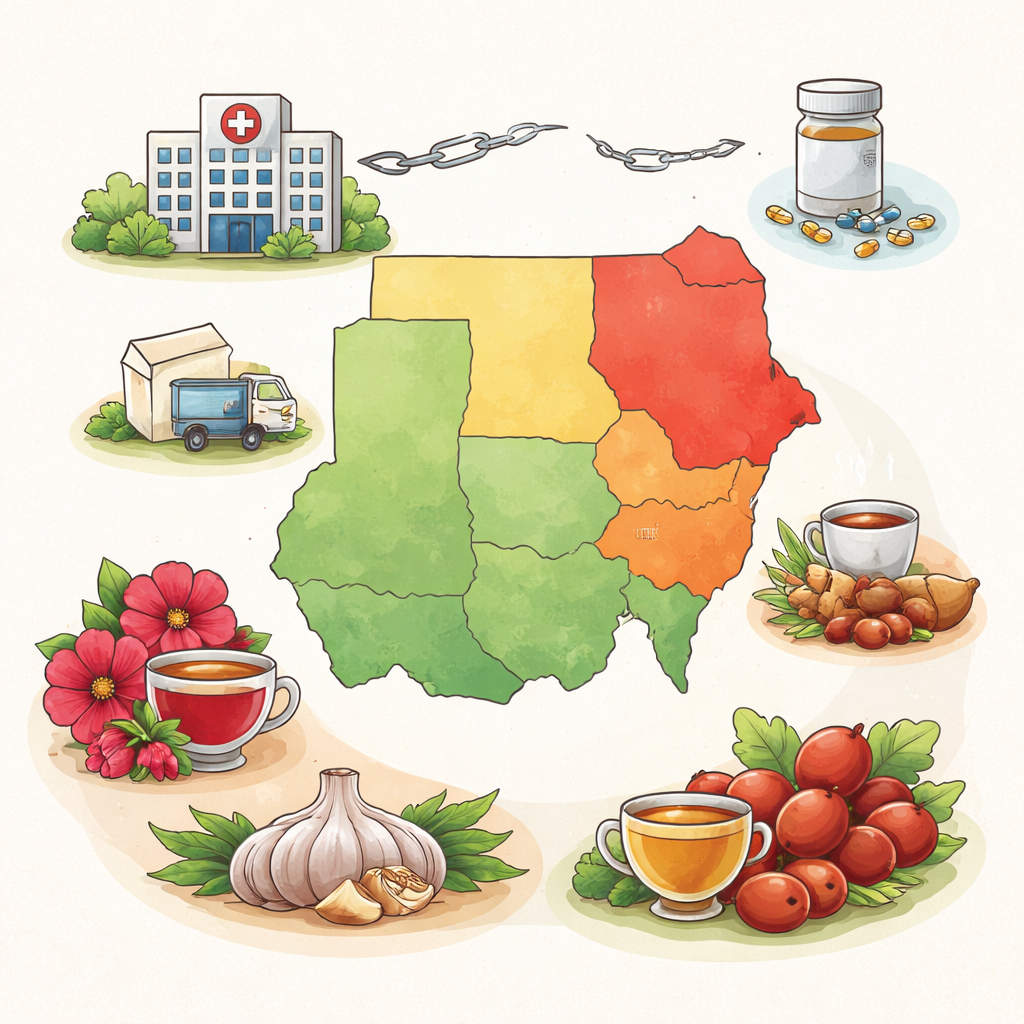
Living with High Blood Pressure in Sudan
High blood pressure is a silent condition that raises the risk of heart attacks and strokes worldwide, and Sudan is no exception. Before the war, many Sudanese already faced limited access to doctors and medicines. The 2025 conflict made things worse: clinics were disrupted, supply chains broke down, and prices of imported drugs soared. The researchers surveyed 749 adults who had been diagnosed with hypertension by a doctor and were originally prescribed blood pressure pills. They spoke with people in several Sudanese states, including both cities and rural areas, as well as many who had been forced to flee their homes.
Turning to the Medicine Cupboard at Home
The study found that using herbs to manage blood pressure was almost universal. More than nine out of ten participants reported using herbal remedies at some point, and about two-thirds had used them both before and during the crisis. Nearly one in five people started using herbs only after the war began, suggesting that the conflict pushed many toward traditional options. For more than half of those surveyed, simply getting hold of their prescribed drugs had become difficult. Herbs were seen as cheaper and easier to find than pills, particularly when pharmacies were empty or too expensive.
The Most Popular Plants and How They Are Used
Some herbs stood out as clear favorites. Hibiscus—known locally as karkadeh—was by far the most common, used by about three-quarters of herbal users, usually as a deep-red drink made by soaking the dried flowers in water. Other frequently used plants included doum (a type of palm fruit), garlic, ginger, fenugreek, cinnamon, lemon, mint, moringa, and black seeds. People often used the same plant parts that have long been favored in local traditions: hibiscus flowers, ginger roots, fenugreek and black seeds, and doum fruits. Many remedies were prepared as teas by soaking or boiling, while garlic and black seeds were often eaten raw. Most users had been taking these herbs for years, not just as a short-term fix during the war.
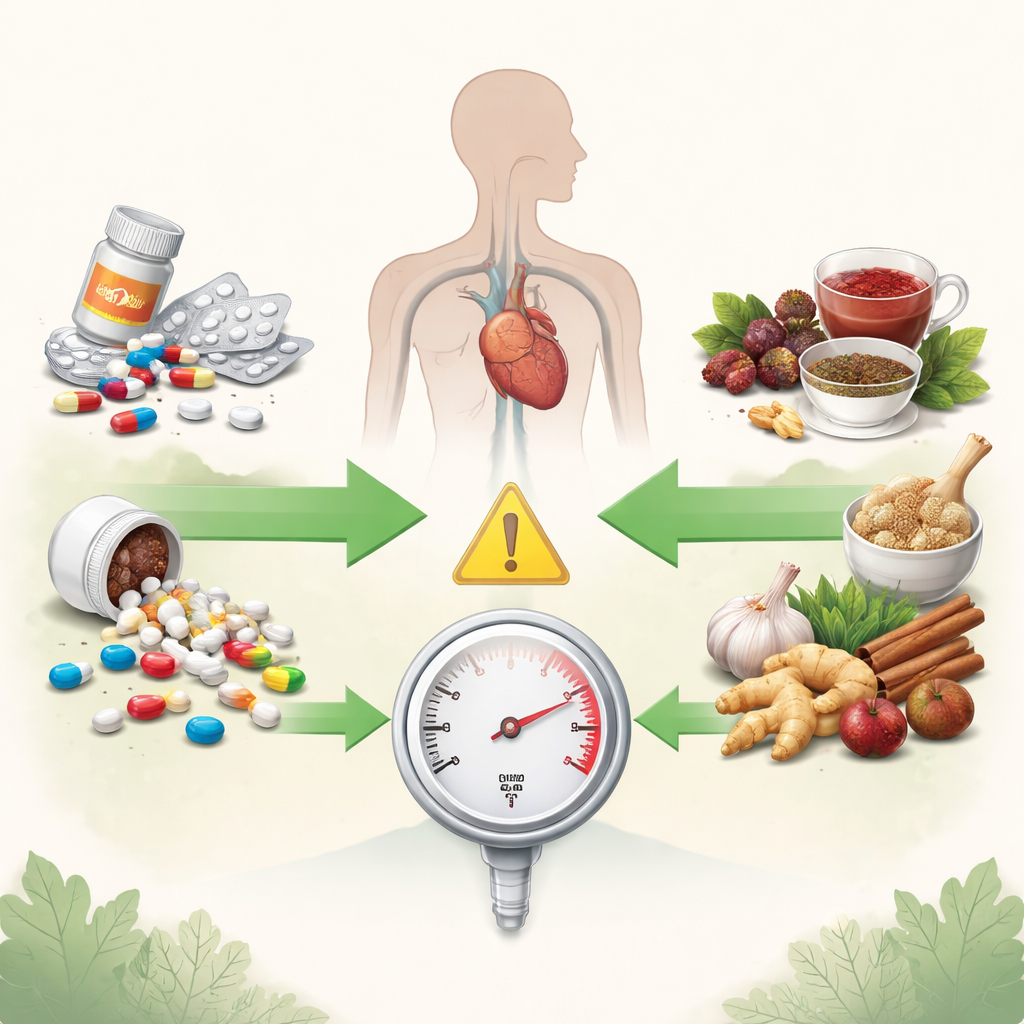
Who Uses Herbs Most—and Why It Matters
Herbal medicine was especially common among people with lower incomes and those living in rural areas, who often have the hardest time reaching clinics or paying for drugs. Married, widowed, and divorced participants were more likely to rely on herbs than single people, perhaps reflecting family traditions and social networks. Crucially, more than 70 percent of herbal users took these remedies at the same time as their prescribed blood pressure medications. Only a small number—about six percent—reported side effects, usually mild problems like nausea or dizziness, but the study notes that more serious reactions might be missed when people do not discuss their herbal use with doctors.
Balancing Tradition and Safety
To a lay reader, the main message is straightforward: in the midst of war, Sudanese patients with high blood pressure leaned heavily on the plants they knew best, because they were affordable, available, and culturally trusted. These herbs may well offer real benefits, and many are already being studied for their effects on blood pressure. But when they are used together with prescription pills, there is a real possibility of hidden interactions and unexpected side effects. The authors argue that health workers and aid programs should not ignore traditional medicine. Instead, they should learn how people actually treat themselves, give clear guidance on safer combinations, and work to restore reliable access to proven drugs. In fragile health systems, respecting tradition while protecting patients may be the surest way to keep dangerous blood pressure under control.
Citation: Sidahmed, T.S.M., Hassan, A.A.E., El-Haj, AR.M.O.K. et al. Patterns of herbal medicine utilization for hypertension during the Sudanese crisis of 2025. Sci Rep 16, 6539 (2026). https://doi.org/10.1038/s41598-026-37696-4
Keywords: herbal medicine, hypertension, Sudan crisis, traditional remedies, conflict healthcare