Clear Sky Science · en
NFKB1 genetic variation and allergic rhinitis susceptibility: a study in the Chinese Han population
Why Some Noses React and Others Stay Calm
Allergic rhinitis—better known as hay fever—can turn everyday life into a battle with sneezing, itching and a stuffy nose. Yet not everyone exposed to the same dust, pollen or pollution develops these symptoms. This study, carried out in nearly 2,000 adults from China’s Han population, looks inside our DNA to understand why some people are more vulnerable to nasal allergies, and why others seem naturally protected.
Hay Fever as a Growing Everyday Burden
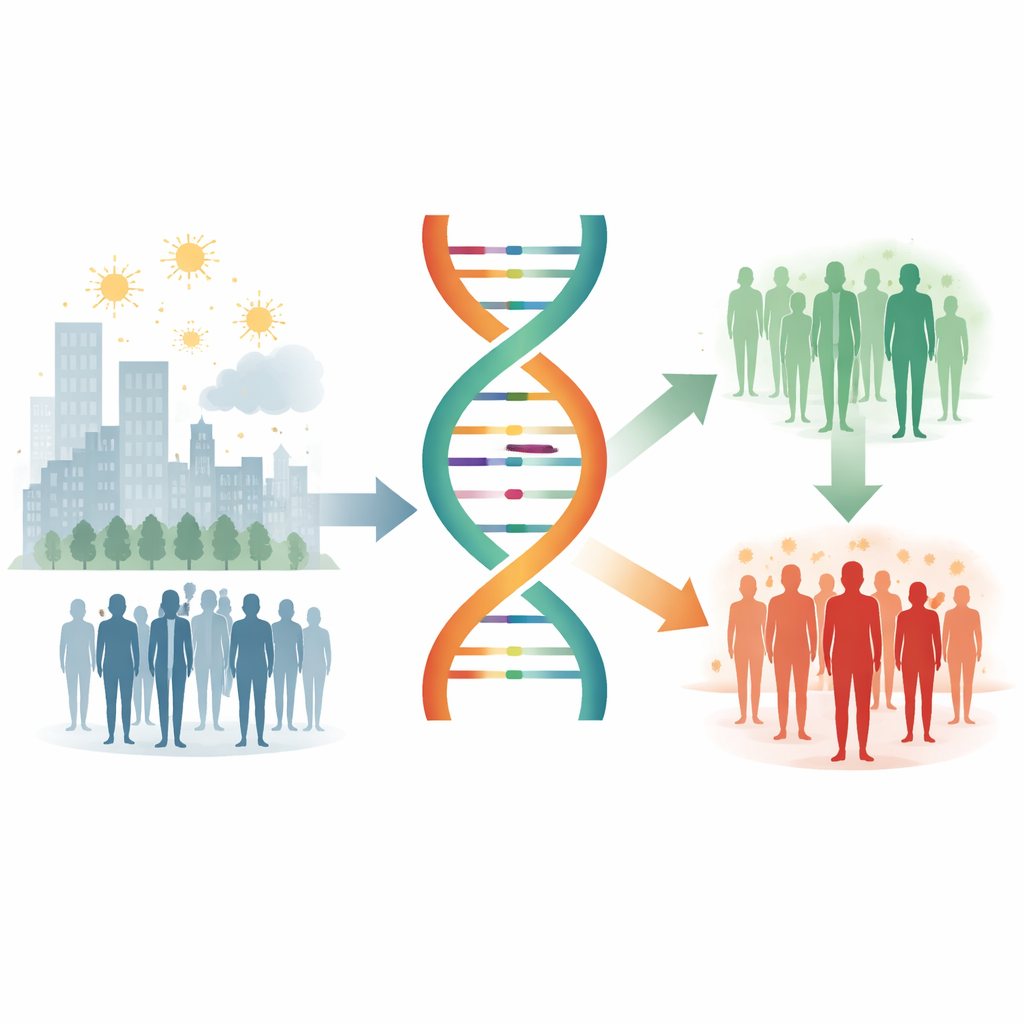
Hay fever now affects an estimated four in ten people worldwide, and its numbers are still climbing, especially in rapidly developing countries such as China. Typical complaints—runny nose, congestion, constant sneezing and itchy eyes—may sound minor, but they interfere with sleep, work, and school, and often go hand in hand with asthma and sinus infections. Doctors know that triggers such as airborne allergens, climate shifts and air pollution matter, but family patterns of disease show that inherited factors also play a major role. The missing piece is which specific stretches of DNA tip the balance toward or away from allergy.
Zeroing In on Two Immune Control Switches
The researchers focused on two genes that help control how strongly the body reacts to irritants and germs. One, called TLR6, sits on the surface of airway cells and senses incoming particles, sounding the alarm when it detects trouble. The other, NFKB1, acts deeper inside cells as a master switch for many inflammation-related genes. Tiny differences in these genes—single-letter changes in the DNA code known as single nucleotide polymorphisms—could subtly tune how hard the immune system presses the accelerator. To test this, the team collected blood from 992 people diagnosed with allergic rhinitis and 992 similar but symptom-free adults, then compared their versions of four selected DNA sites in TLR6 and NFKB1.
Protective and Risk Variants Revealed
When the scientists matched gene patterns with disease status, two variants within NFKB1 consistently stood out as protective. People carrying a particular double-dose (TT) version at one site (rs230504) were less likely to have hay fever, and a similar pattern appeared for another site (rs4648052). Data from large gene-expression databases suggest that these versions dial down how much NFKB1 is produced, which in turn may slightly soften the body’s inflammatory response. More detailed breakdowns showed that these protective effects were strongest in certain groups: men, younger adults and people in specific body weight ranges. In contrast, a variant in TLR6 (rs3796508) was linked to a higher risk of allergic rhinitis, but mainly in women, hinting that sex hormones and other biological differences may interact with this gene.
Links to Blood and Metabolism Clues
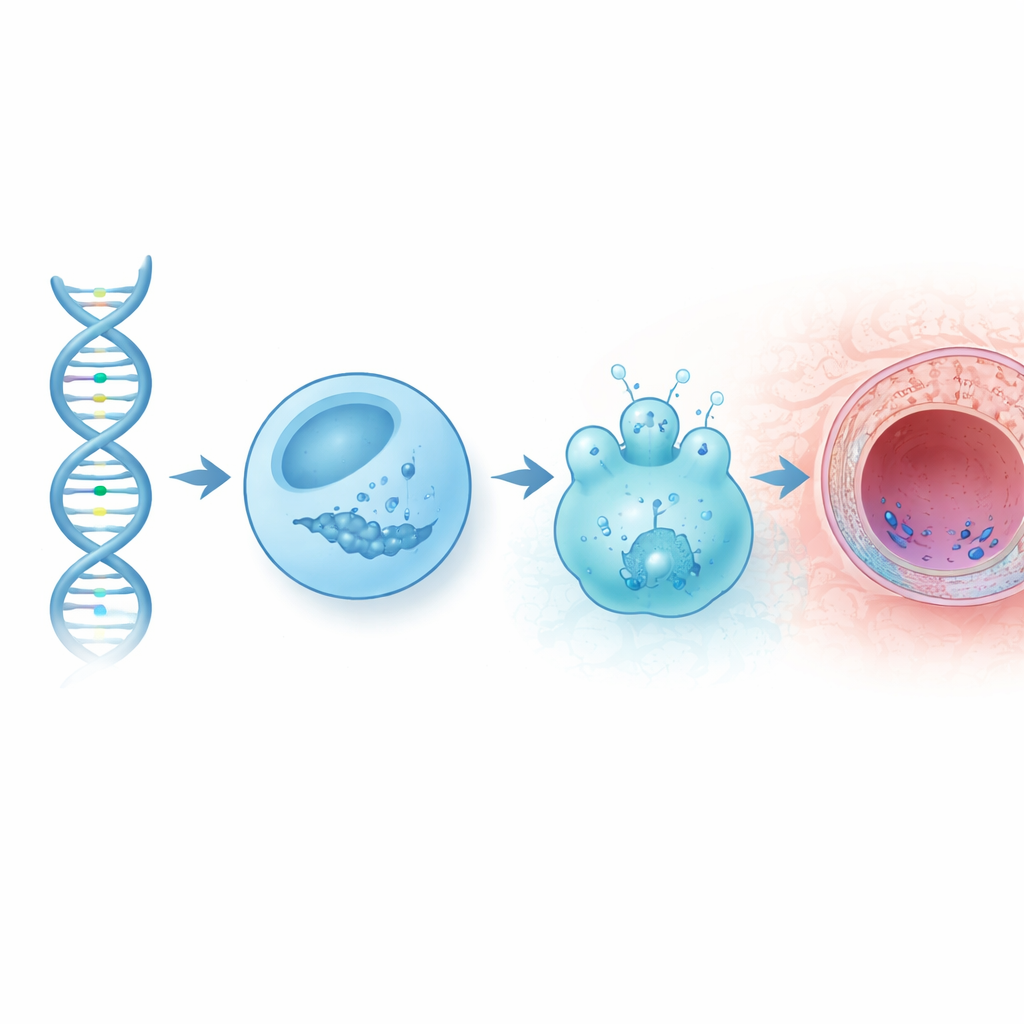
Beyond simply asking who did or did not have hay fever, the team also looked at basic blood measurements such as types of white blood cells, cholesterol fractions and blood sugar. They found that the same NFKB1 variants associated with lower allergy risk were also tied to differences in immune cell counts and high-density lipoprotein ("good" cholesterol), both in patients and healthy volunteers. Because good cholesterol is known to have anti-inflammatory properties, and immune cell levels reflect how activated the body’s defenses are, these patterns hint that the protective DNA versions calm the immune system in a broader way, not just in the nose.
What This Means for People With Hay Fever
In simple terms, this research suggests that some people in the Chinese Han population carry natural "dimmer switches" in the NFKB1 gene that make their immune system a bit less likely to overreact to everyday allergens. Others, especially some women with a particular TLR6 version, may be wired for a stronger alarm signal instead. These findings do not change treatment today, and the authors stress that more laboratory work is needed to prove exactly how these DNA changes alter immune behavior. But by mapping out which genetic settings protect against or promote hay fever, the study moves us closer to more personalized prevention and therapy—where a simple blood test could help predict risk and guide early lifestyle or medical steps to keep noses clearer and lives more comfortable.
Citation: Wang, H., Wang, C., Yang, H. et al. NFKB1 genetic variation and allergic rhinitis susceptibility: a study in the Chinese Han population. Sci Rep 16, 7900 (2026). https://doi.org/10.1038/s41598-026-37550-7
Keywords: allergic rhinitis, genetic variants, NFKB1, immune inflammation, TLR6