Clear Sky Science · en
Equilibrium in empathic concern and personal distress predict identification with all humanity (IWAH) in Indian adolescents
Why caring about distant strangers matters
In a world where news about war, disaster, and inequality reaches young people instantly on their phones, a key question is why some teenagers feel a deep bond with people everywhere, while others stay focused only on their own group. This study looks at Indian adolescents and asks: when they see someone suffer, does the mix of warm concern and uncomfortable distress they feel help them see all humans as “us,” not “them”? Understanding this balance could reshape how schools teach empathy and global citizenship.
Two sides of feeling with others
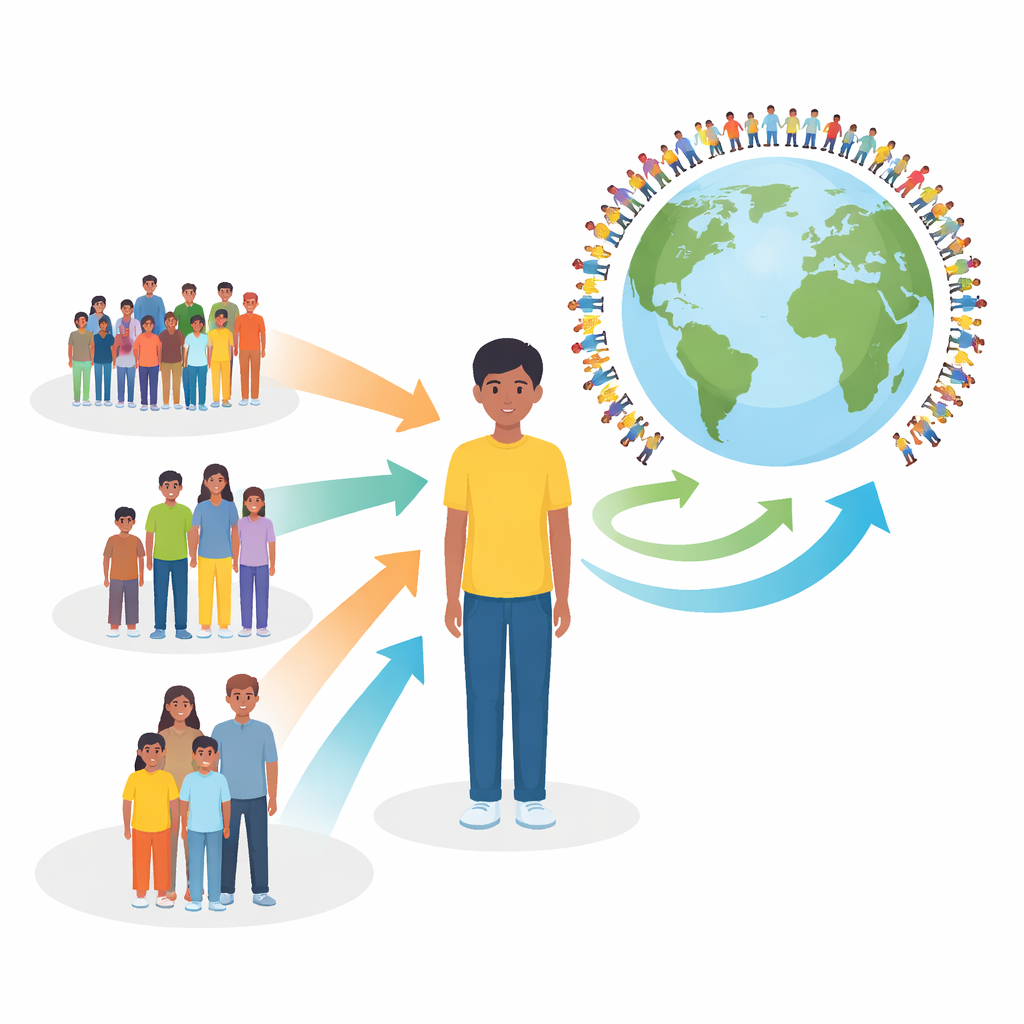
Psychologists view empathy not as a single feeling, but as at least two related reactions. One is empathic concern – a warm, other-focused response that makes us want to comfort or help someone in need. The other is personal distress – an uneasy, self-focused reaction, like feeling anxious or overwhelmed when we witness suffering. Both show up early in life and can guide how we behave toward others. High concern often supports helping and kindness, while strong distress, if not managed, can make people shut down or pull away. Yet past research has been unclear on how these two reactions work together, especially in teenagers.
From local groups to all of humanity
Empathy is also shaped by social boundaries. People usually care more about those in their own circle – family, community, or nation – than about distant or unfamiliar groups. Still, some individuals develop a broad sense of belonging called “identification with all humanity,” where they feel close to people everywhere and are more open to helping beyond their borders. The authors of this paper wanted to know whether it is the overall amount of empathy or the balance between concern and distress that best predicts this wide-ranging identity in adolescents, particularly in India, where close-knit ties and collectivist values are strong.
Studying balance in real teenagers
The researchers surveyed 634 students aged 11 to 16 from urban schools in and around New Delhi. The adolescents completed standard questionnaires that measured how much empathic concern and personal distress they typically feel in everyday situations, how strongly they identify with their community, their country, and with people anywhere in the world, and how likely they are to present themselves in an overly positive light. Using a statistical method that can capture both the level and the balance of two traits together, the team examined whether teenagers with similar levels of concern and distress (an “equilibrium”) differed from those whose concern clearly outweighed distress or vice versa (a “disequilibrium”).
When balanced feelings point outward
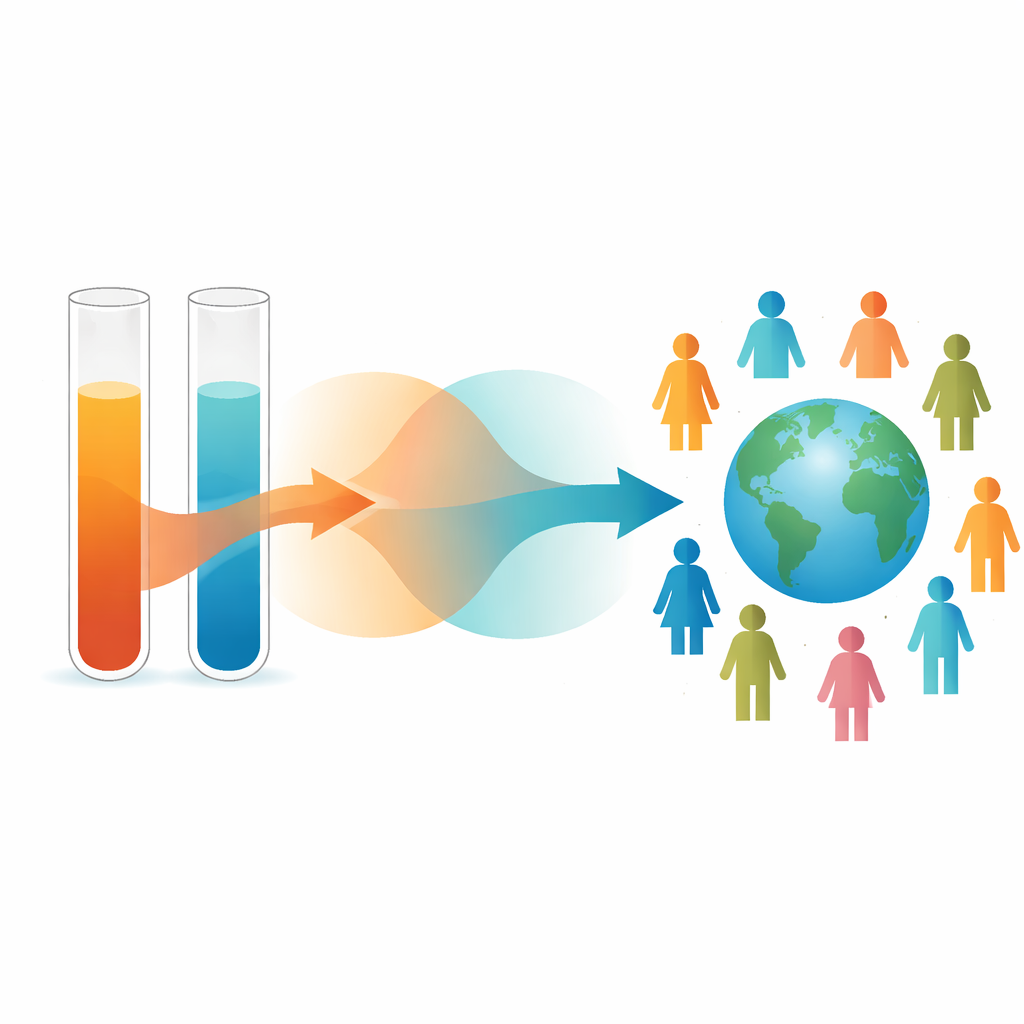
The central finding was that adolescents who scored high on both empathic concern and personal distress, and whose scores on the two were closely matched, reported the strongest sense of identification with all humanity. In other words, what mattered most for feeling connected to people everywhere was not simply having more concern than distress, but having both reactions strongly present and in balance. The link remained even after taking into account how strongly teens identified with their local community and country. Interestingly, an imbalance between concern and distress did not reliably predict global identification, even though an advantage of concern over distress did relate to feeling more connected to one’s community and nation in additional analyses.
What this means for raising global citizens
For a lay reader, the takeaway is that teens who both care deeply about others’ pain and also feel that pain quite strongly themselves, without being overwhelmed by it, are most likely to see all humans as part of their “in-group.” Simply pushing concern higher or trying to erase uncomfortable feelings may not be enough. Instead, programs that aim to grow “global citizens” may need to help young people notice and regulate their distress while keeping their concern active, so they can stay engaged rather than turn away. The study suggests that the route to a truly global sense of belonging in adolescence runs through a well-balanced emotional response to others’ suffering – one that keeps hearts open without flooding them.
Citation: Chakraborty, A., Sharma, M., Gupta, H. et al. Equilibrium in empathic concern and personal distress predict identification with all humanity (IWAH) in Indian adolescents. Sci Rep 16, 8814 (2026). https://doi.org/10.1038/s41598-026-37436-8
Keywords: empathy, adolescents, global citizenship, social identity, India