Clear Sky Science · en
A data-driven life cycle cost model for tender evaluation of metro pantograph carbon strips
Why the Cheapest Option Can Be the Most Expensive
City subways depend on a constant flow of electricity delivered through small, easily overlooked parts called pantograph carbon strips. These blocks of carbon wear down quickly and must be replaced often. Around the world, many transit agencies buy them using a simple rule: choose the lowest bidder. This paper shows, with real data from a Chinese metro line, that such a bargain-hunting habit can quietly drain public budgets. By looking not only at sticker price but also at how fast these parts wear out, the authors build a new way to judge bids that reveals how the “cheapest” supplier can actually cost far more over time.
Hidden Costs Behind Train Roof Hardware
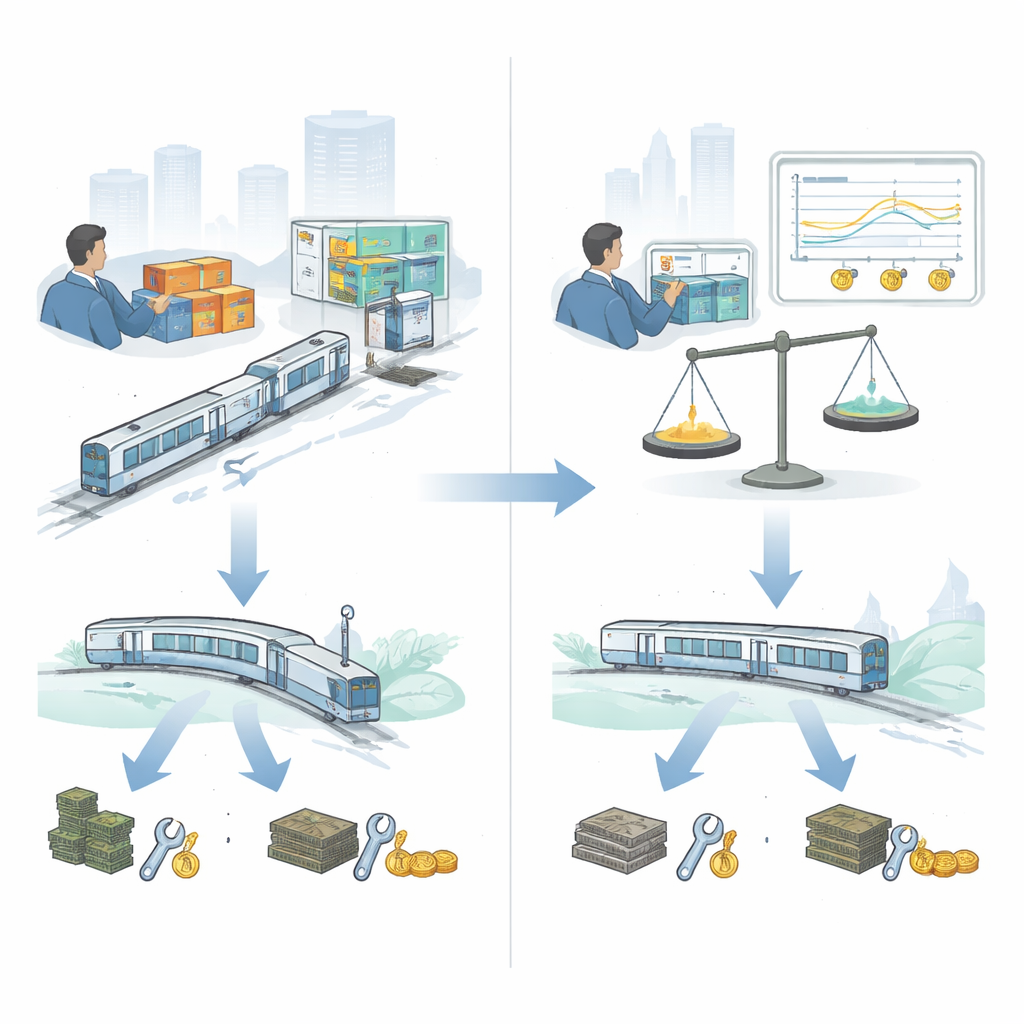
Pantograph carbon strips ride on top of electric trains, sliding along overhead wires to draw power. They are small compared with a train, but they are bought in large numbers, have a relatively high unit price, and wear out in months rather than years. Because of their importance and cost, many metro systems tender these parts separately. In China, major operators in cities like Beijing, Shanghai, Guangzhou, and Chongqing commonly award contracts mainly on price, with only light consideration of reliability or service life. That approach seems transparent and thrifty, but it can reward suppliers who cut corners on durability, leaving operators to cope later with extra maintenance, bigger spare-parts inventories, and more frequent service interruptions.
Tracking How Fast Parts Wear Out
The researchers gained access to detailed maintenance records from Chongqing Metro Line 6 between 2022 and 2024. Each time a carbon strip was installed, inspected, or removed, the system recorded its identity, position, mileage, and remaining thickness. By linking these entries, the team reconstructed nearly 800 full life histories for strips from four qualified suppliers. From these records they calculated how quickly each strip typically wore down, how much that wear varied from one piece to another, how long strips lasted in service, and how predictable that lifetime was. Statistical tests confirmed that the suppliers differed sharply: the firm that had won the previous tender with the lowest bid also had the fastest wear, the shortest lifetimes, and the greatest variability. Two other suppliers delivered much better and more consistent performance, even though their upfront prices were higher.
Turning Engineering Wear into Money
To move beyond simple price scoring, the authors built a life cycle cost model that translates part performance into long-term money flows. Instead of counting only what is paid on delivery, the model spreads costs over the distance trains actually travel and treats frequent replacements as a steady stream of spending over a 15-year horizon, the typical overhaul cycle for metro vehicles. It combines four elements: the basic purchase cost per kilometer of service, the labor cost of repeated change-outs, the cost of holding extra stock to buffer unpredictable failures, and a penalty cost when strips fail before the mileage promised in the tender. Because money today is worth more than money tomorrow, all of these costs are discounted to a net present value. Crucially, wear rate, lifespan, and their variability feed directly into each term, so a strip that wears faster or less predictably raises several cost components at once.
When “Best Value” Beats “Lowest Bid”
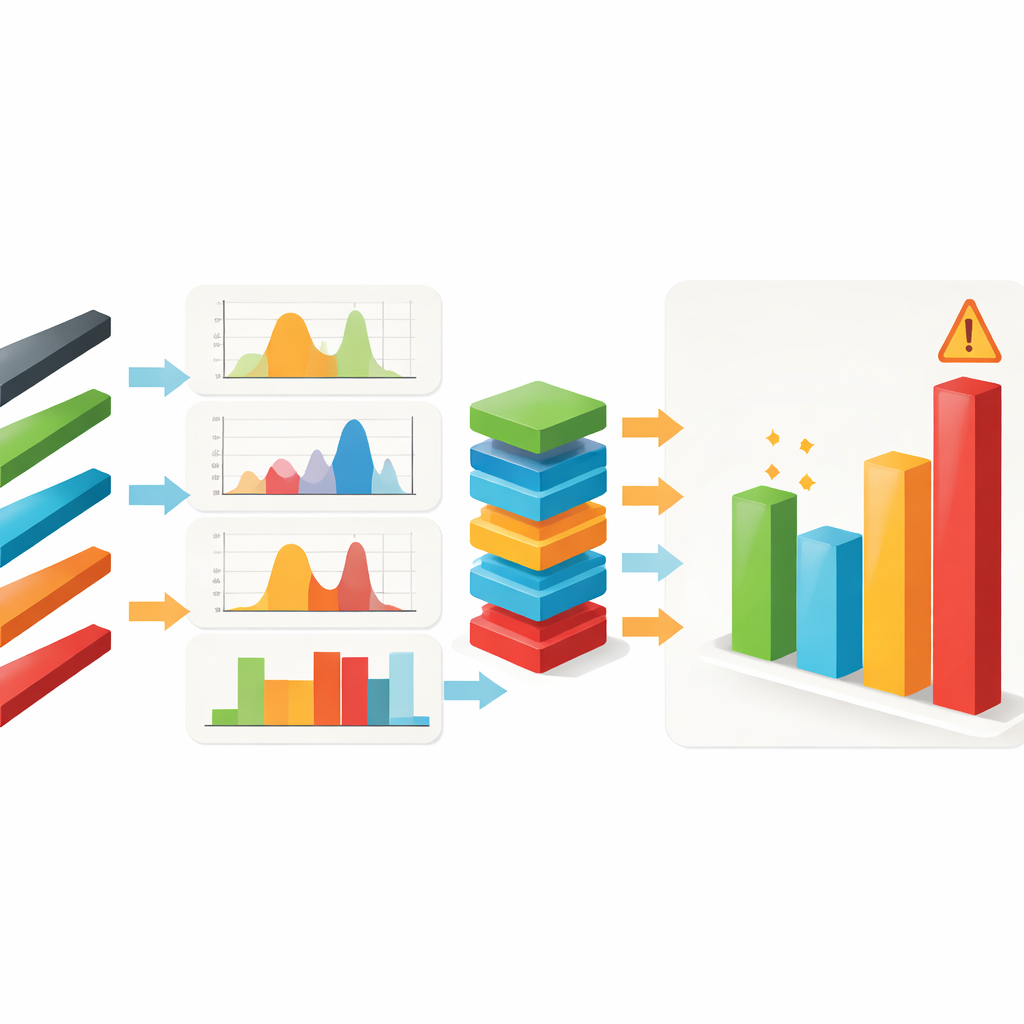
Applying this model to the four suppliers produced a striking reversal. Under the original scoring rules, which weighted bid price at 60 percent and gave similar marks to all established firms on commercial criteria, the lowest-priced local supplier came out on top. Under the life cycle cost approach, that same supplier turned out to be the worst option, with a total cost per 10,000 kilometers about 1.6 times higher than the best-performing competitor. The true “best value” supplier was the one with the highest initial bid but the slowest wear and longest service life, which minimized replacements and penalties. The researchers also tested different discount rates, from 0 to 8 percent, and found that while absolute costs changed, the ranking of suppliers did not: the durable product remained the most economical choice in every scenario.
What This Means for Public Transport Spending
The study’s message is straightforward: in high-wear components such as pantograph carbon strips, buying cheap can lock operators into a costly cycle of frequent replacements and hidden risks. By embedding real performance data into a life cycle cost model, transit agencies can judge bids on the actual economic value of reliability rather than on headline price alone. For riders and taxpayers, this means that spending a bit more upfront on better parts can deliver more reliable service and lower long-term bills for the system as a whole.
Citation: Liu, J., Wu, C. A data-driven life cycle cost model for tender evaluation of metro pantograph carbon strips. Sci Rep 16, 8849 (2026). https://doi.org/10.1038/s41598-026-37383-4
Keywords: metro procurement, life cycle cost, pantograph carbon strip, railway maintenance, public tender evaluation