Clear Sky Science · en
Comparative analysis of body parameters for fracture and post-healing patient using a non-invasive bioimpedance device
Why Watching Bones Heal Matters
Anyone who has worn a cast knows that waiting for a broken bone to heal can feel endless—and every checkup often means another X-ray. This study explores a gentler, radiation‑free way to track how fractures recover from the inside out, using tiny electrical signals sent through the body. The work suggests that a simple handheld device could someday help doctors monitor healing more often, more safely, and at lower cost.
A New Window Into Broken Bones
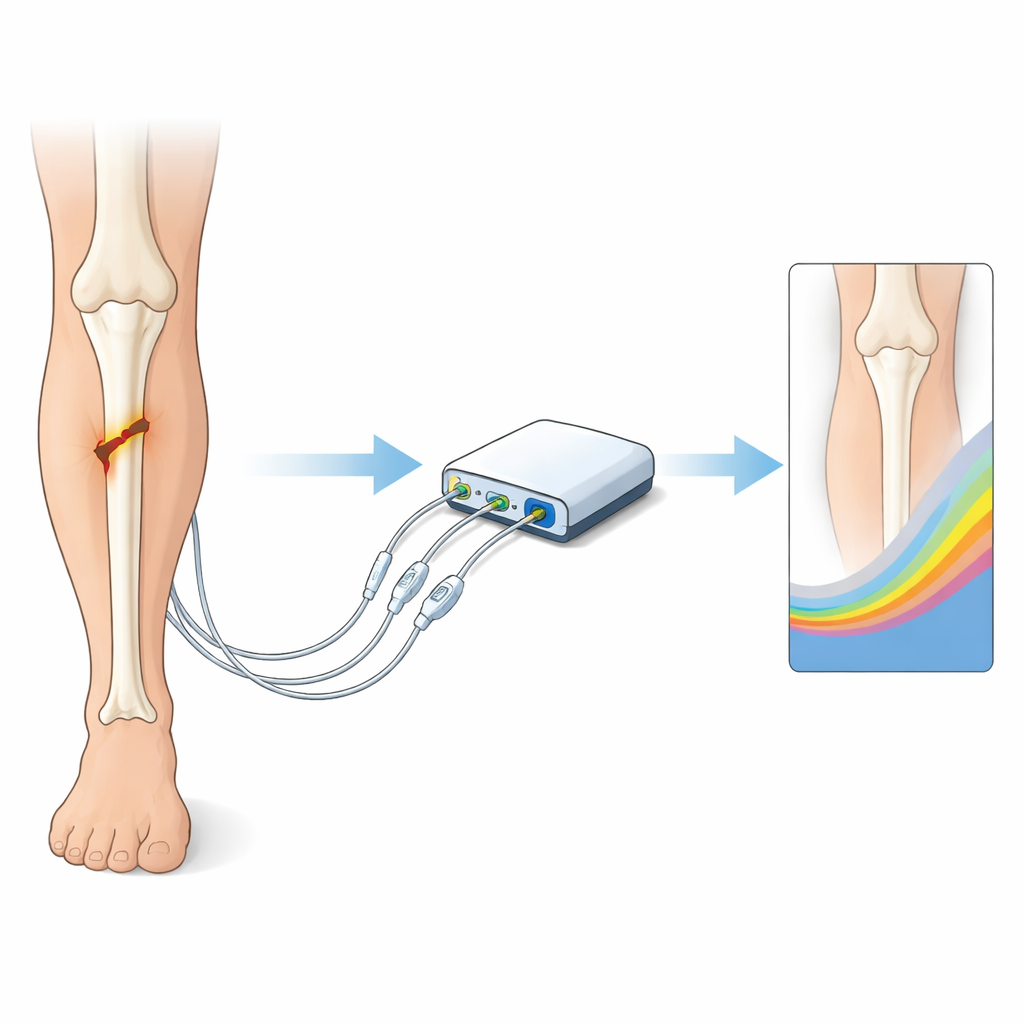
Today, doctors mostly rely on imaging tools such as X‑rays and CT scans to see whether a fracture is mending. These pictures are powerful, but they expose patients to radiation and are not ideal for frequent, routine checks. The researchers behind this study asked a different question: can we read the body’s electrical properties as a sign of how damaged tissues are changing over time? Because our bones, muscles, and body fluids all conduct electricity in different ways, measuring how current flows through a limb could reveal how swelling subsides, structure is restored, and normal tissue returns as a fracture heals.
A Simple Device That Listens to the Body
To test this idea, the team built a portable bioimpedance device—essentially a smart box that sends a harmless, low‑level alternating current through part of the body and measures how much that current is resisted or delayed. Four small skin electrodes are placed around the injured limb segment, much like the sticky patches used for heart tests. Inside the device, an integrated circuit generates the signal and records both the strength and timing of the returning voltage. A built‑in microcontroller handles processing, shows results on a small screen, and can send data wirelessly to a remote server. Bench tests using known resistors and capacitors showed that the system was accurate within a few percent, good enough for medical research use.
Following Patients From Break to Recovery
The researchers then recruited 125 adults with different types of bone fractures; 65 of them agreed to return after their injuries had fully healed. For each of these 65 people, measurements were taken twice on the same limb segment: once during the fracture phase and once after doctors judged that healing was complete. Along with basic information such as age, height, weight, and body composition, the device recorded key electrical features: overall impedance (how strongly tissue resists current) and phase angle (how much the current is delayed by cell membranes and other structures). Because each person served as his or her own baseline, the team could focus on real changes linked to healing rather than natural differences between individuals.
What the Electrical Signals Revealed
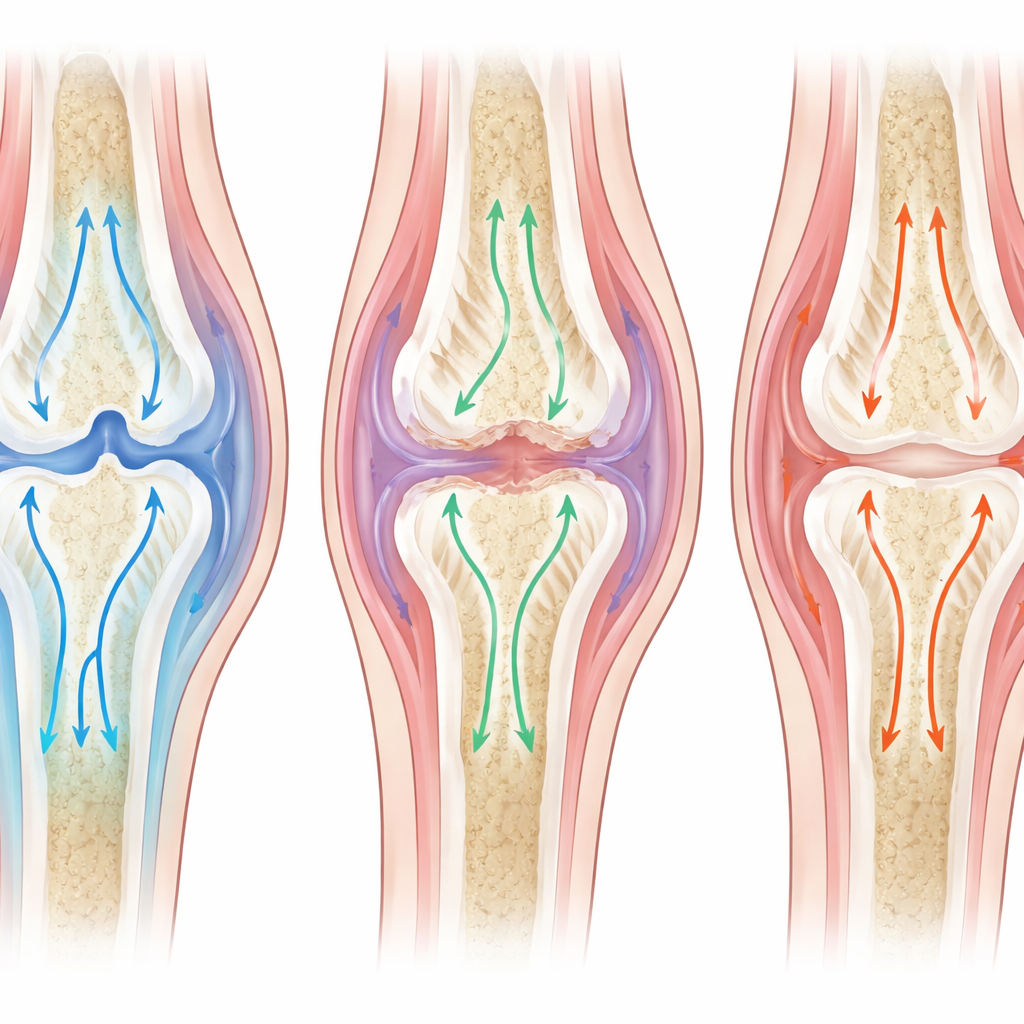
The contrast between broken and healed states was striking. During the fracture phase, impedance values in the injured limb were relatively low—consistent with extra fluid and disrupted structure around the break. After healing, impedance rose sharply, on average by more than 250 ohms, and this increase was statistically very strong. Phase angle, which reflects the integrity of cell membranes and the balance between fluids and solid tissue, also climbed noticeably after healing. Together, these shifts suggest that as swelling falls, tissues reorganize, and bone and surrounding soft tissue regain structure, the limb’s electrical “signature” changes in a consistent, measurable way. Interestingly, traditional metrics such as body mass index and fat‑free mass differed between men and women but did not meaningfully track the healing process itself.
What This Could Mean for Patients
For patients, the take‑home message is that a quick, painless electrical check of a limb might one day complement, though not replace, imaging when tracking a fracture. This early study shows that a low‑cost bioimpedance device can reliably sense the difference between fractured and fully healed states in the same person, hinting at uses in routine follow‑up visits, rehabilitation planning, or remote monitoring. The authors caution that more work is needed: their system has not yet been compared head‑to‑head with commercial instruments, and the study did not separate different fracture types or locations. Still, the results point toward a future in which bone healing could be monitored more safely and frequently—simply by measuring how easily electricity flows through the body.
Citation: Brajesh, K., Aldobali, M., Pal, K. et al. Comparative analysis of body parameters for fracture and post-healing patient using a non-invasive bioimpedance device. Sci Rep 16, 8630 (2026). https://doi.org/10.1038/s41598-026-37336-x
Keywords: bone fracture healing, bioimpedance, noninvasive monitoring, body composition, orthopedic rehabilitation