Clear Sky Science · en
Radiological risk assessment of natural radioactivity in imported rice consumed in Ghana and its implications for food safety and public health
Why the safety of rice on your plate matters
Rice is a daily staple for millions of Ghanaians, and much of it comes from overseas. Because rice plants can quietly soak up natural radioactive elements from soil and water, scientists wanted to know: does the imported rice filling Ghana’s markets add any meaningful radiation risk to people who eat it every day? This study carefully measured those invisible traces and translated them into real‑world health implications for ordinary consumers.
Checking hidden ingredients in imported rice
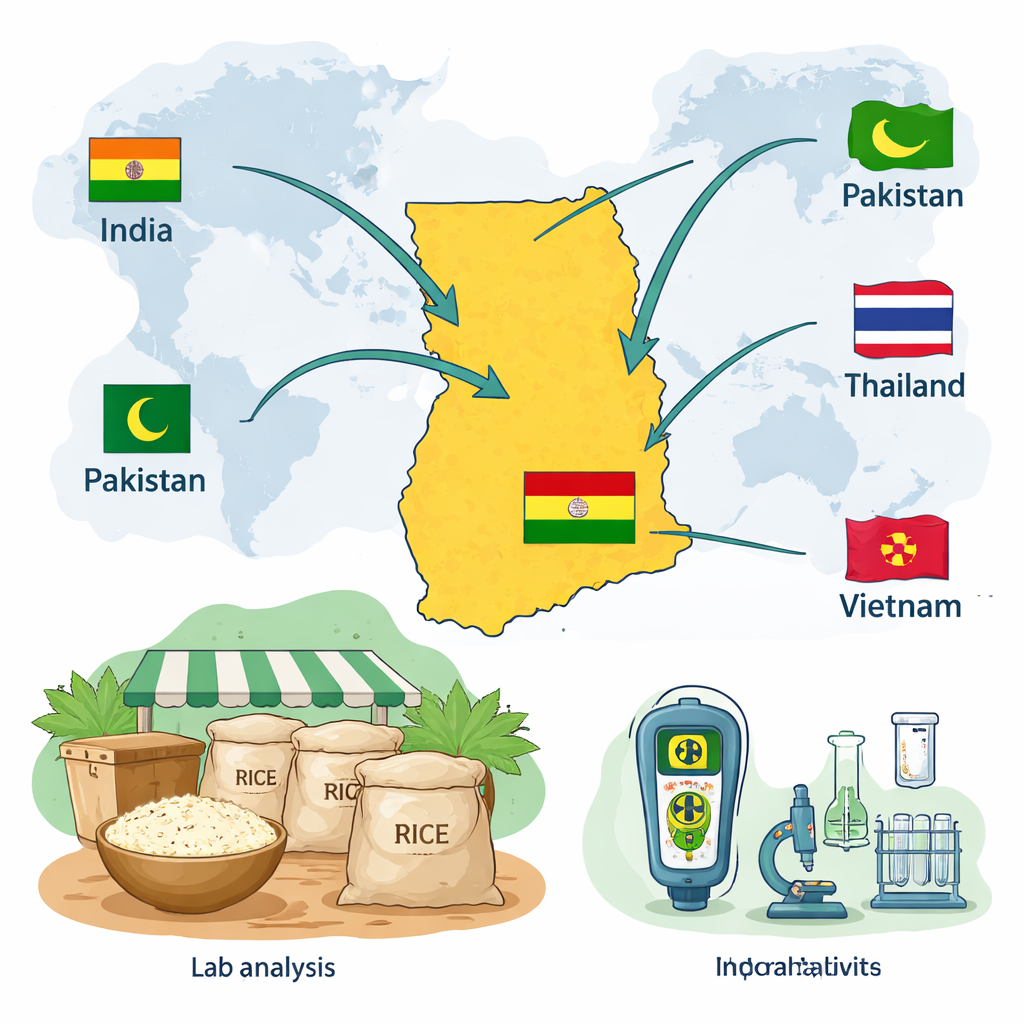
Ghana produces only a little over half of the rice it consumes, so the rest is imported from countries such as India, Malaysia, Vietnam, Thailand, China, Pakistan, and neighboring West African nations. The environment in which rice is grown—its soil type, fertilizers, and local geology—can influence how much natural radioactivity ends up in the grains. To understand what this means for consumers, the researchers collected 50 samples from five popular imported brands sold in major markets in Accra, Kumasi, and Tamale. Each sample was dried, ground and prepared in a standardized way, then analyzed in a specialized laboratory using a highly sensitive radiation detector.
What types of natural radiation were measured
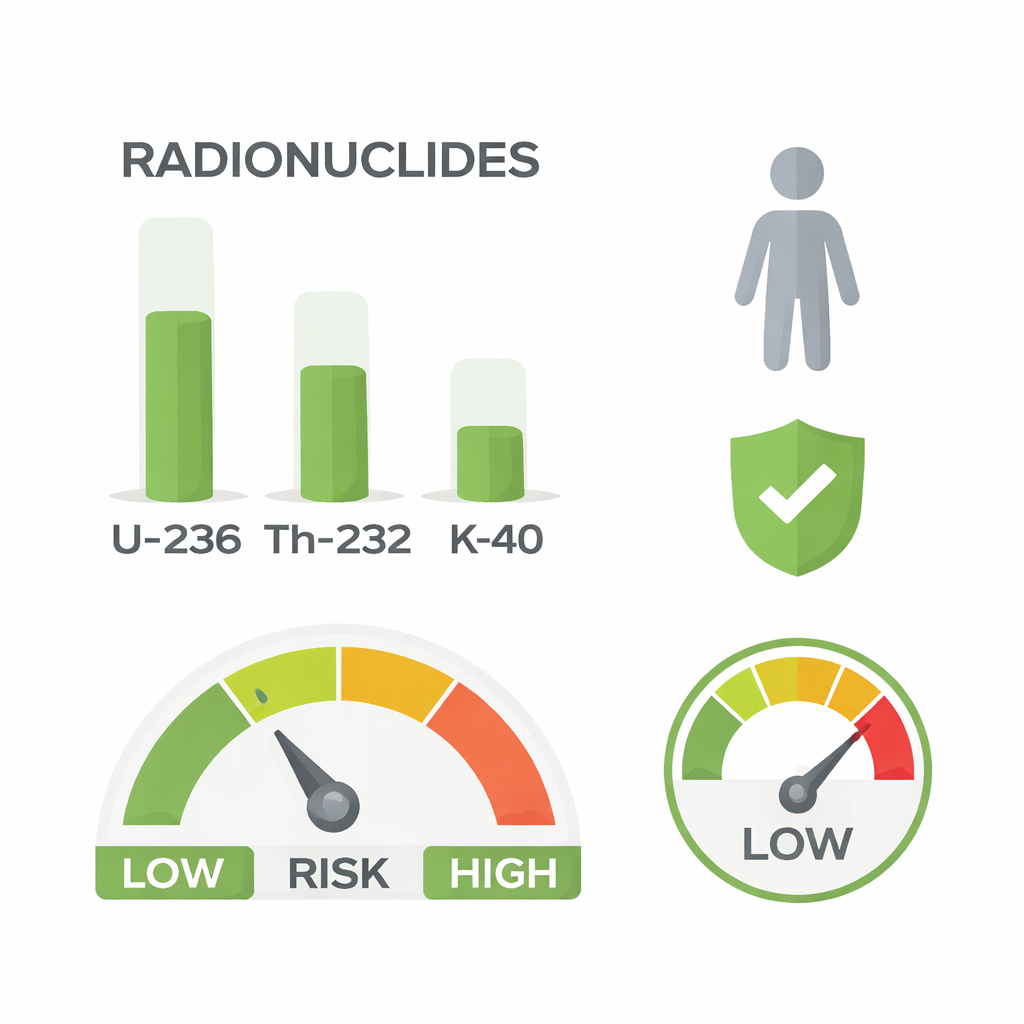
The team focused on three naturally occurring radioactive elements that commonly turn up in food: two forms of radium and one form of potassium. These substances are already present in soils worldwide and, at low levels, in the human body. By counting the tiny flashes of energy they emit, the detector revealed how much of each element was present in the rice. The average levels found were a little over 2 units per kilogram for one type of radium, almost 4 units for the other, and about 52 units for potassium—values that fall well within the broad ranges reported for rice in other countries and comfortably below international reference limits for grains.
Turning laboratory counts into health meaning
Measuring radioactivity is only the first step; the central question is what these levels mean for long‑term health. To answer that, the researchers combined the measured concentrations with Ghana’s typical rice consumption—about 50 kilograms per adult per year—and used international conversion factors to estimate the annual radiation dose a person would receive from eating this rice. They also calculated the “excess lifetime cancer risk,” which estimates how much the chance of getting cancer might increase over a 70‑year lifetime due to this exposure. The results showed that the average annual dose from imported rice was around 0.4 millisieverts, well below the commonly used public limit of 1 millisievert per year from such sources. The added lifetime cancer risk was below the global average value expected from naturally occurring radiation in food.
Patterns, uncertainties, and who might be more vulnerable
When the scientists compared Ghana’s imported rice to results from Bangladesh, India, Iran, Malaysia, Nigeria, and other countries, the differences in radioactivity levels were modest and statistically insignificant. Natural variations in soil and farming practices explained most of the spread. Even when uncertainties in measurements, eating habits, and biological sensitivity were taken into account, the overall picture remained reassuring: doses stayed far below levels considered of concern for the general adult population. Still, the authors point out that children and pregnant women are more sensitive to radiation over a lifetime, so they recommend future studies that focus specifically on these groups and track changes over multiple years and more brands.
What this means for food safety and public trust
For people in Ghana who depend on imported rice, the study delivers a clear message: current levels of natural radioactivity in the sampled brands do not pose a significant health threat according to international standards. However, the work also shows why routine checks are important. Regular testing of imported foods, paired with strong national regulations that align with global guidelines, can ensure that any future changes in supply chains or growing regions are quickly detected. In everyday terms, this research suggests you can keep rice on your menu with confidence, while policymakers use such data to quietly guard the safety of the national food supply.
Citation: Dickson-Agudey, P., Tettey-Larbi, L., Adjei-Kyereme, S. et al. Radiological risk assessment of natural radioactivity in imported rice consumed in Ghana and its implications for food safety and public health. Sci Rep 16, 6266 (2026). https://doi.org/10.1038/s41598-026-37317-0
Keywords: rice safety, food radioactivity, Ghana public health, imported food monitoring, natural radiation