Clear Sky Science · en
Organophosphate pesticide DEDT promotes diabetic retinopathy progression via AMPK/Nrf2/HO-1 pathway
Why everyday chemicals matter for your vision
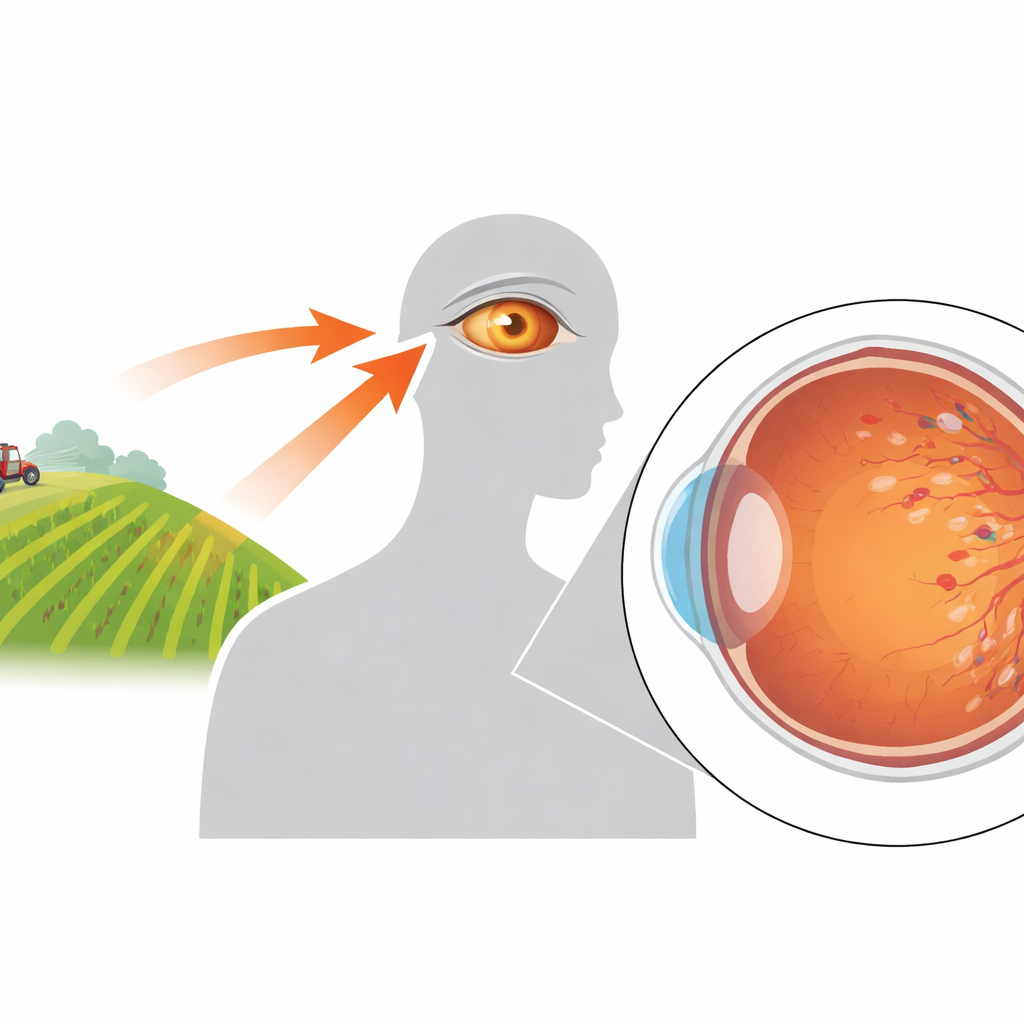
People with diabetes are often warned about sugar levels, but far less attention is paid to the chemicals they may encounter in daily life. This study looks at a common kind of pesticide byproduct called DEDT and asks a simple question with big implications: can low-level exposure to this chemical quietly speed up damage to the retina, the light-sensitive tissue at the back of the eye, and raise the risk of vision loss in people with diabetes?
The hidden threat to the diabetic eye
Diabetic retinopathy is a leading cause of blindness worldwide, driven mainly by long-term high blood sugar that injures the tiny blood vessels in the retina. Many patients have no symptoms until the disease is advanced, when blurred vision and even blindness can appear. At the same time, organophosphate pesticides are widely used in agriculture and can break down into metabolites such as DEDT that linger in the body. Earlier research hinted that such chemicals might worsen diabetes-related problems, but no one had clearly shown how they might affect the delicate blood vessels and support cells that keep the retina healthy.
How the researchers tested pesticide effects on eye cells
To explore this, the authors studied two types of human retinal cells grown in dishes: the cells lining the tiny blood vessels and the pigment cells that help nourish the retina. They mimicked diabetes by bathing these cells in very high sugar and then exposed them to increasing amounts of DEDT. The team measured how well the cells survived, how tightly they clung together to form a barrier, and how much they produced molecules linked to stress, inflammation, and cell death. They also used diabetic rats, giving some of them DEDT by mouth for nearly two weeks, then examined the structure of their retinas and chemical signs of damage in both eye and body tissues.
What happened inside the retina
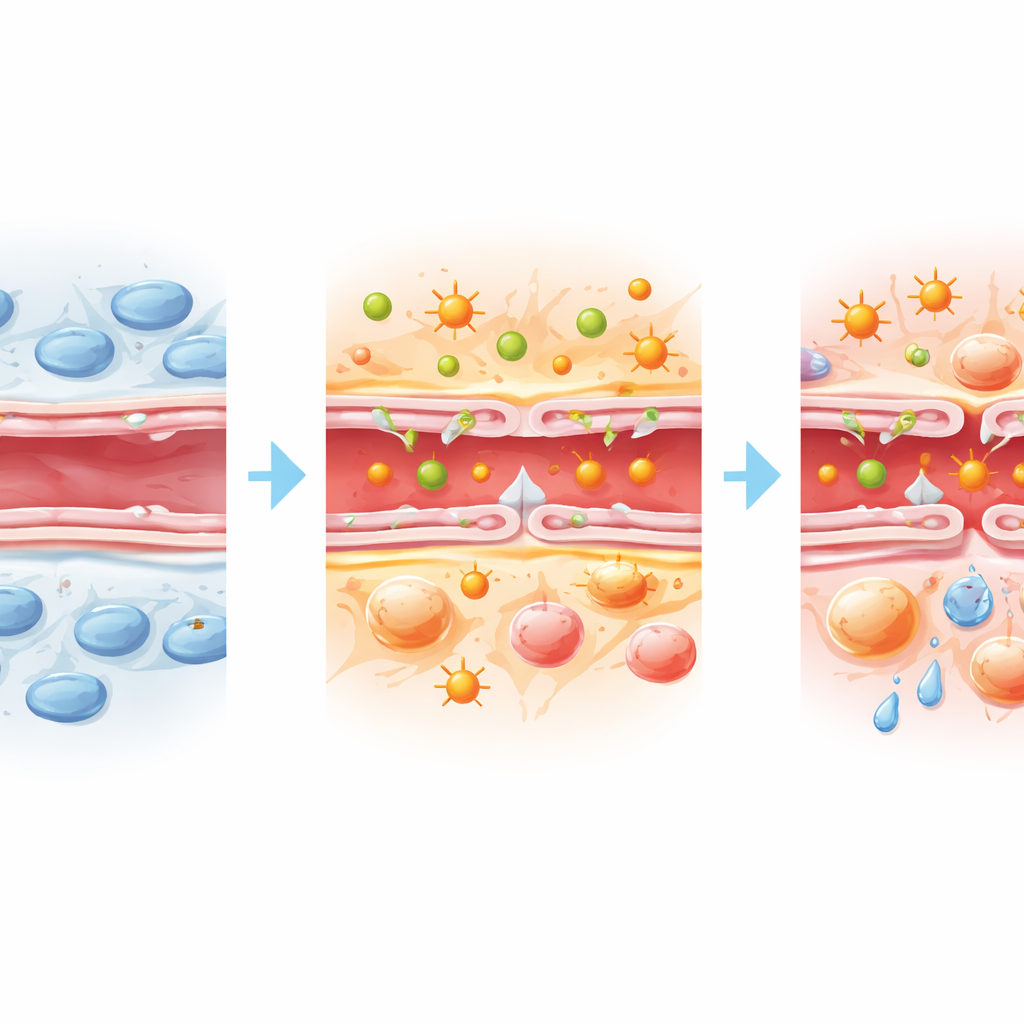
In both the cell dishes and the animals, DEDT made a bad situation worse. Under high sugar, retinal cells already struggled, but when DEDT was added, their survival dropped further and the tight “seams” between neighboring cells broke down, making the blood–retina barrier leakier. Chemical tests showed a sharp rise in reactive oxygen species—highly reactive molecules that injure proteins, fats, and DNA—along with a drop in the eye’s natural antioxidant defenses. Inflammatory messengers increased, and markers of programmed cell death shifted toward more cell loss. In diabetic rats, the retinal layers became more disorganized, and damage extended beyond the eye to major organs, suggesting a body-wide surge in oxidative stress when DEDT was present.
A key protective switch gets turned off
The study zoomed in on a cellular safety system centered on a sensor called AMPK and its partners that normally help cells resist stress. Under diabetic conditions, this protective switch was already less active, but exposure to DEDT pushed it down even further. As this pathway weakened, the retina’s ability to counteract oxidative attack and inflammation fell, making blood vessels and supporting cells more vulnerable. To test whether this switch was truly important, the researchers used a drug called AICAR that turns AMPK back on. When AICAR was added, many of DEDT’s harmful effects were reversed: cell survival improved, barrier proteins rebounded, and stress and inflammation markers fell, strongly tying pesticide damage to the failure of this built-in defense circuit.
What this means for people living with diabetes
For lay readers, the main message is clear: in diabetes, the retina is already walking a tightrope, and certain pesticide byproducts like DEDT can shake that rope by weakening the eye’s own stress-control systems. While this research was done in cells and rats, it suggests that long-term, even modest exposure to such chemicals may help tip vulnerable eyes toward earlier and more severe damage. That makes careful regulation of pesticides, better monitoring of exposure, and extra caution for people with diabetes especially important. It also points to new treatment ideas that strengthen the retina’s natural defenses, potentially helping to preserve sight in a world where both diabetes and chemical exposure are on the rise.
Citation: Ding, B., Gui, S., Wang, X. et al. Organophosphate pesticide DEDT promotes diabetic retinopathy progression via AMPK/Nrf2/HO-1 pathway. Sci Rep 16, 9060 (2026). https://doi.org/10.1038/s41598-026-37183-w
Keywords: diabetic retinopathy, pesticide exposure, oxidative stress, retinal blood vessels, environmental toxins