Clear Sky Science · en
A comparative study on the nutrient and organic acid profiles of selected pepper genotypes
Why peppers are more than just spicy
For many of us, peppers are simply a way to add heat or color to dinner. But behind their bite lies a complex mix of nutrients and natural acids that shape flavor, health value, and even future pepper breeds. This study looked closely at 18 different pepper varieties from China to see how much they differ in protein, healthy plant compounds, and dozens of organic acids that influence both taste and nutrition. The results reveal that not all peppers are created equal—and that some could be especially promising for healthier foods.
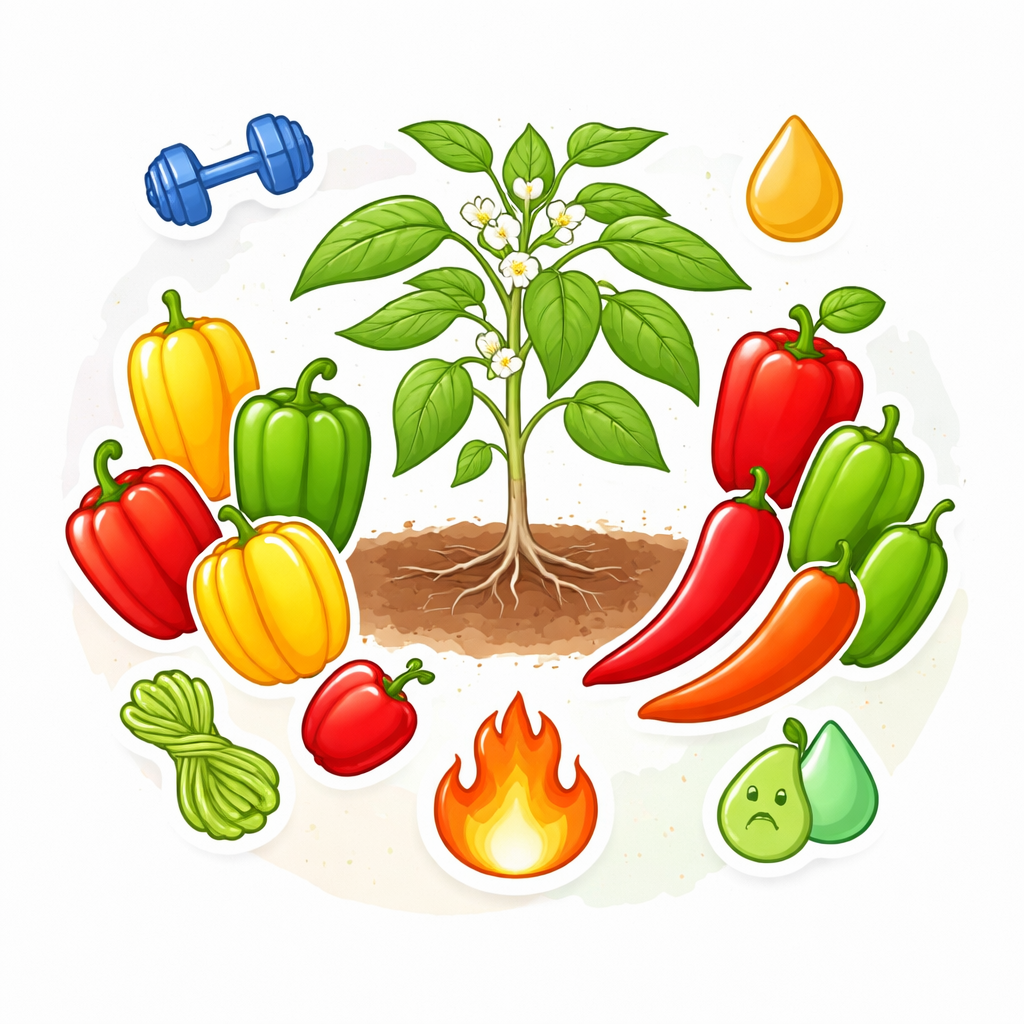
Peppers under the microscope
The researchers collected 18 cultivated pepper varieties, dried them, and ground them into powder to measure key nutritional components. They focused on substances that matter for health and flavor: protein, total amino acids (the building blocks of protein), fat, crude fiber, natural red pigment (capsanthin), and the heat-giving molecules capsaicin and dihydrocapsaicin. They also measured reducing sugars, which contribute to sweetness. To go beyond the usual tests, they examined 64 different organic acids, a group of small molecules that strongly affect sourness, aroma, and how food feels in the mouth.
Hidden differences among familiar peppers
Even though all 18 peppers belonged to the same species (Capsicum annuum), their nutritional makeup varied widely. Some varieties were relatively rich in protein and amino acids, which are important for body repair and metabolism. Others stood out for their fat content, which can help carry flavor and fat-soluble nutrients, or for their high crude fiber, which is linked to digestive health and cholesterol control. Spiciness also showed striking contrasts: one variety, labeled Y16, had more than 45 times as much capsaicin as the mildest one. This kind of variation means breeders can choose specific peppers depending on whether they want extra heat, more nutrition, or a particular texture.
The sour side of flavor
Organic acids turned out to be just as important as the more familiar nutrients. Of the 64 acids the team looked for, 53 were found in at least some of the peppers, while 11 never appeared. Three acids dominated the overall profile: L-malic acid, cis-aconitic acid, and succinic acid together made up close to 80–87% of all organic acids present. These compounds help shape the tangy, bright taste that many people associate with dried or fermented chili products. Their levels differed sharply between varieties, sometimes more than sixfold, suggesting that each pepper has a unique “acid fingerprint” that matters for both flavor and possible health effects.
Sorting peppers into nutritional families
To make sense of all these numbers, the scientists used statistical tools that group similar samples together. Principal component analysis and hierarchical clustering allowed them to see patterns across dozens of nutrients and acids at once. The 18 pepper varieties fell into three broad clusters. One variety, again Y16, formed its own group because of its especially high levels of amino acids, fiber, and hot compounds. Other groups contained peppers that were more alike in their nutrient and acid profiles, even if they came from different regions. This kind of grouping helps breeders decide which peppers to cross to combine desirable traits.
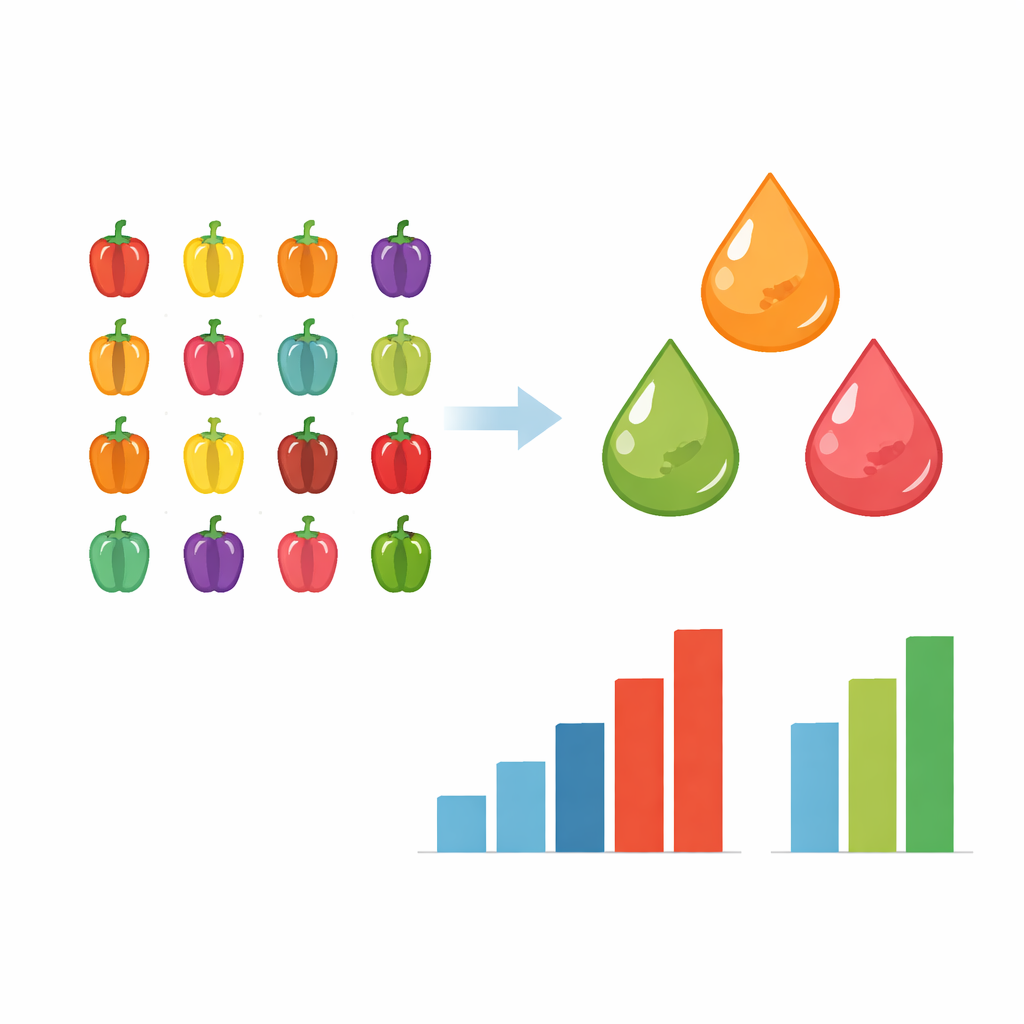
From lab data to better peppers on your plate
Overall, the study shows that peppers offer a rich palette of nutritional options, from high-protein, high-fiber types to those packed with color pigments, natural heat, or specific organic acids. Some varieties may be especially suitable for functional foods aimed at weight management or heart health, while others could be chosen for their flavor balance in sauces, powders, and pickles. The authors note that the next step is to link these traits to underlying genes, so that breeders can more precisely design peppers that are tastier and better for you. For everyday eaters, the message is simple: choosing different pepper types does not just change the level of burn—it can also change the nutrition you get with every bite.
Citation: Zhou, P., Xing, D., Tu, D. et al. A comparative study on the nutrient and organic acid profiles of selected pepper genotypes. Sci Rep 16, 6435 (2026). https://doi.org/10.1038/s41598-026-37078-w
Keywords: pepper nutrition, capsaicin, organic acids, pepper breeding, chili varieties