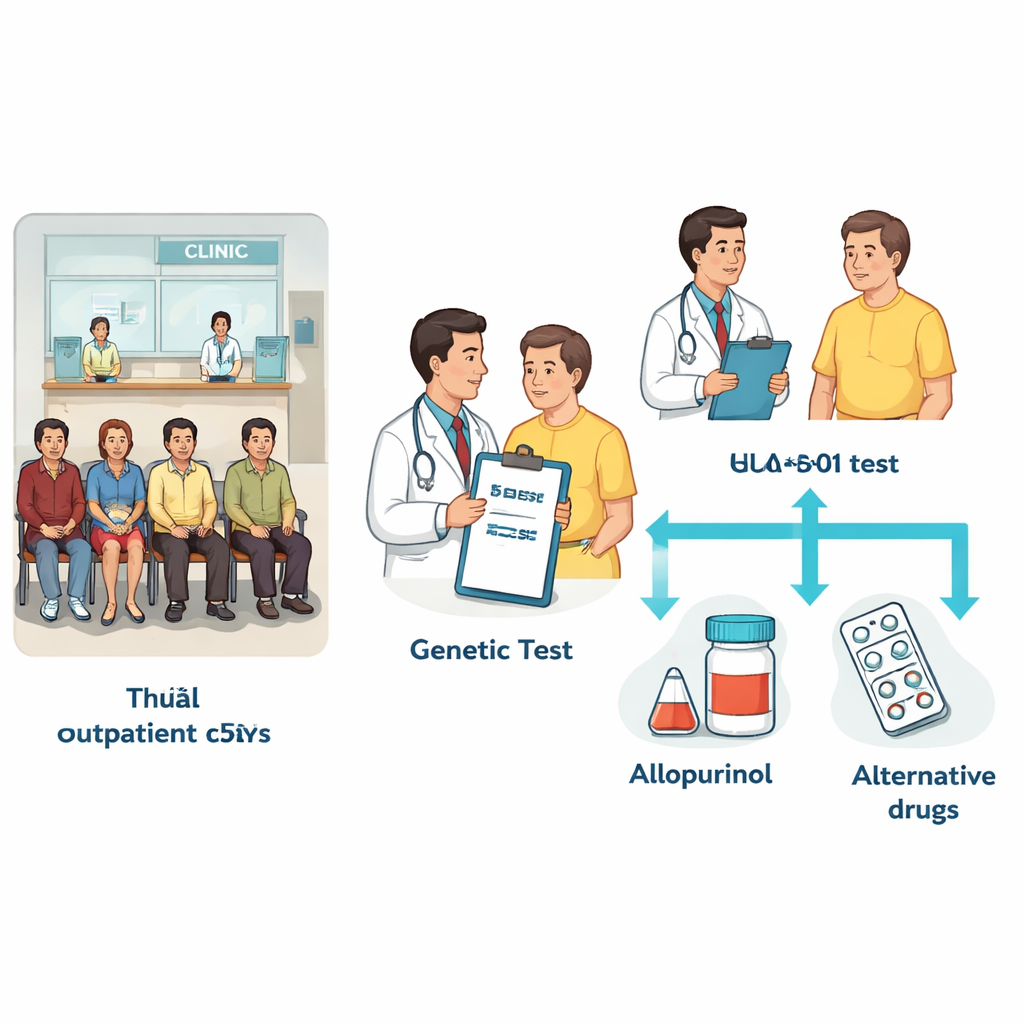
For many people living with gout, the pill most often prescribed to control the disease, allopurinol, is both affordable and effective. Yet in a small number of patients it can trigger a rare but life-threatening allergic reaction. Thai doctors now have a genetic test that can flag most people at risk before they ever swallow the first tablet. This study asks a very practical question: if the government stopped fully paying for that test, how much would real patients themselves be willing to spend, and what would that mean for future health policy?
A common gout drug and a hidden genetic risk
Allopurinol lowers uric acid, the substance that forms painful crystals in joints and causes gout attacks. In Thailand and worldwide, it is a first-choice, low-cost treatment. However, some patients carry a gene variant called HLA-B*58:01 that sharply raises their chance of a severe skin reaction to allopurinol. This reaction, known as allopurinol hypersensitivity syndrome, can lead to serious illness or even death. Because the HLA-B*58:01 variant is relatively common among Thai people, national guidelines recommend a genetic test before starting allopurinol, and the government currently covers the full test cost.
Asking patients what they would pay Figure 1.
Researchers in Phitsanulok, Thailand, surveyed 250 adults with gout receiving care at a university hospital and nearby health centers. Most were older men and nearly all had other health problems, especially chronic kidney disease, which is often seen alongside gout. Using a structured questionnaire, the team asked patients to imagine that the HLA-B*58:01 genetic test was no longer free and instead cost 1000 Thai baht (about 29 US dollars). Would they pay for it themselves, and if so, what was the maximum amount they felt they could afford? The survey also asked about willingness to pay for three alternative urate‑lowering medicines—febuxostat, sulfinpyrazone, and benzbromarone—that could be used instead of allopurinol.
How much people were really willing to spend
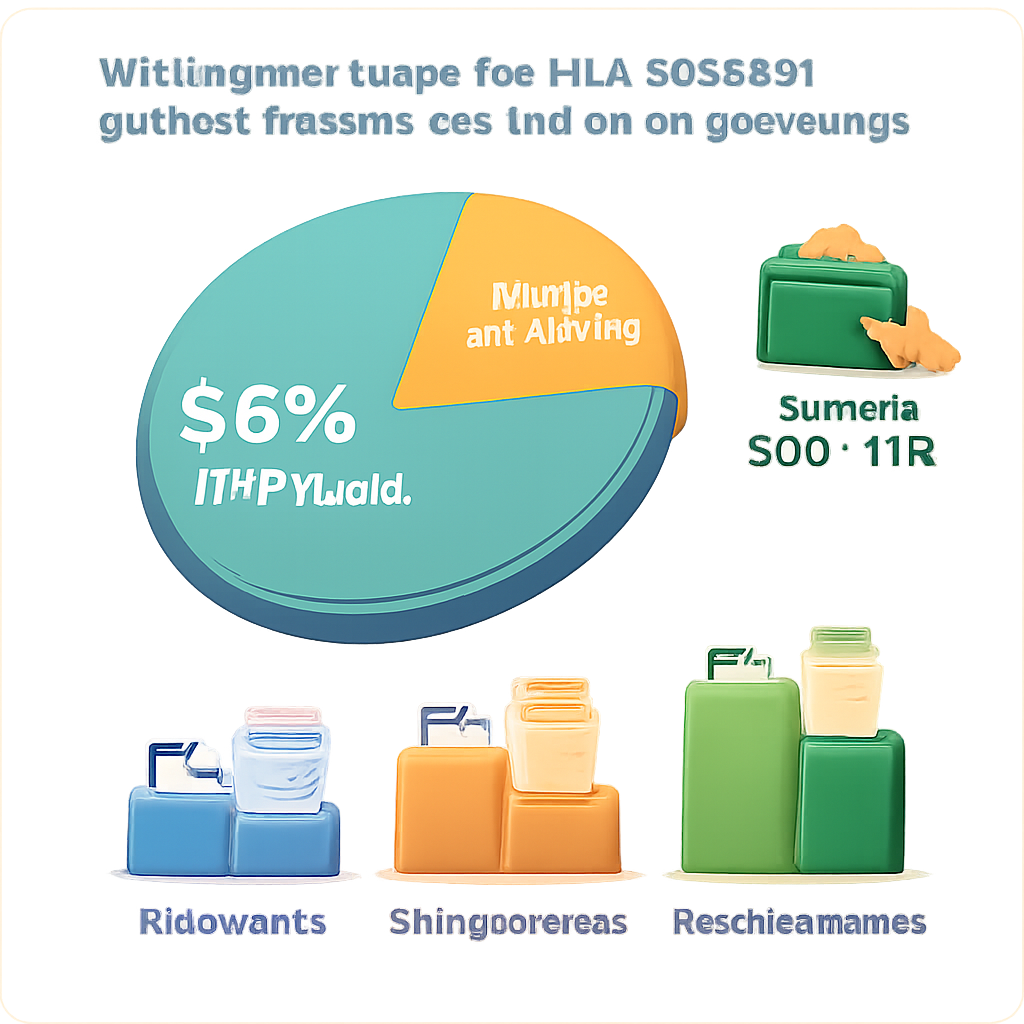
The large majority of patients—86 percent—said they would be willing to pay something for the genetic test, but only one in five would pay the full 1000 baht. Most settled on a figure around 500 baht (about 14 US dollars) as an acceptable maximum. Among the 14 percent who refused to pay at all, the main reasons were that the test felt too expensive and that their income was too low. When asked about treatment options while waiting two to three months for test results, nearly four out of five patients said they would rather switch to an alternative gout drug than delay treatment. Benzbromarone, a medicine that helps the kidneys flush out uric acid and is relatively cheap in Thailand, emerged as the most popular alternative, with about 72 percent willing to pay for it.
Money, insurance, and who feels able to pay Figure 2.
By comparing answers with patients’ backgrounds, the researchers found that financial factors strongly shaped willingness to pay. People with higher personal income—over 30,000 baht per month—were several times more likely to say they would pay for the test than those earning 5,000 baht or less. Type of health insurance also mattered. Patients covered by the Civil Servant Medical Benefit Scheme, which generally serves government employees and retirees with more stable income, were much more likely to be willing to pay than those under other public schemes. In contrast, age, sex, years living with gout, and other medical conditions did not meaningfully change patients’ answers.
What this means for future health coverage
Thailand is facing tighter health budgets, and a recent economic analysis found that universal HLA-B*58:01 screening before allopurinol is not cost‑effective at its current price. This new study shows that while most gout patients value the safety offered by genetic testing, they can realistically afford only about half of the present test cost. For policy makers, that median willingness to pay of 500 baht offers a concrete reference point if they ever consider patient co‑payments, price negotiations, or rapid, lower-cost test kits. In simple terms, people with gout in Thailand want protection from dangerous drug reactions, but many can only shoulder a modest share of the bill, so careful planning will be needed to keep care both safe and financially fair.
Citation: Towiwat, P., Bamrungsawad, N., Buttham, B. et al. Assessing willingness to pay for HLA-B*58:01 genetic testing before allopurinol initiation and its potential impact on future health policy, Thailand.
Sci Rep16, 6763 (2026). https://doi.org/10.1038/s41598-026-36574-3
Keywords: gout, genetic testing, allopurinol, health policy, willingness to pay