Clear Sky Science · en
Interest in HIV pre-exposure prophylaxis use and associated factors among people who inject drugs in Iran: a nationwide survey in 2023
Why this matters for everyday life
HIV remains a serious health concern worldwide, but powerful tools now exist to prevent infection before it happens. One of the most effective is pre-exposure prophylaxis, or PrEP—a medicine taken by people who do not have HIV to greatly reduce their chances of getting it. This study looks at people who inject drugs in Iran, a group at high risk of HIV, and asks a simple but crucial question: if PrEP were available, would they want to use it—and what would help or hinder that decision?
Taking a preventive pill against HIV
PrEP is a medicine for people who are HIV-negative but at high risk of infection through sex or shared injection equipment. When taken regularly, it can lower the chance of getting HIV by about 99%. Many countries now offer PrEP to groups such as people who inject drugs, but Iran has not yet added it to its national HIV prevention plan. At the same time, HIV in Iran is concentrated in key groups, and injecting drugs remains one of the main ways the virus spreads. Existing harm reduction tools—like clean needle programs and treatment for opioid dependence—help, but they have not been enough to stop new infections among this population.
A snapshot of people who inject drugs in Iran
To understand whether PrEP might be accepted, researchers carried out a large national survey in 2023. They interviewed 2,174 adults who inject drugs in 14 major cities across Iran, most of them men over age 30. Using a peer-to-peer recruitment method, participants were invited to private interview rooms, answered questions about their lives and health, and were tested for HIV. Only people who tested HIV-negative were asked about PrEP. Before questions on interest, the team explained in simple language what PrEP is, the different ways it can be taken (daily pills or long-acting shots), and why taking it consistently is important.
Strong interest once people learn about PrEP
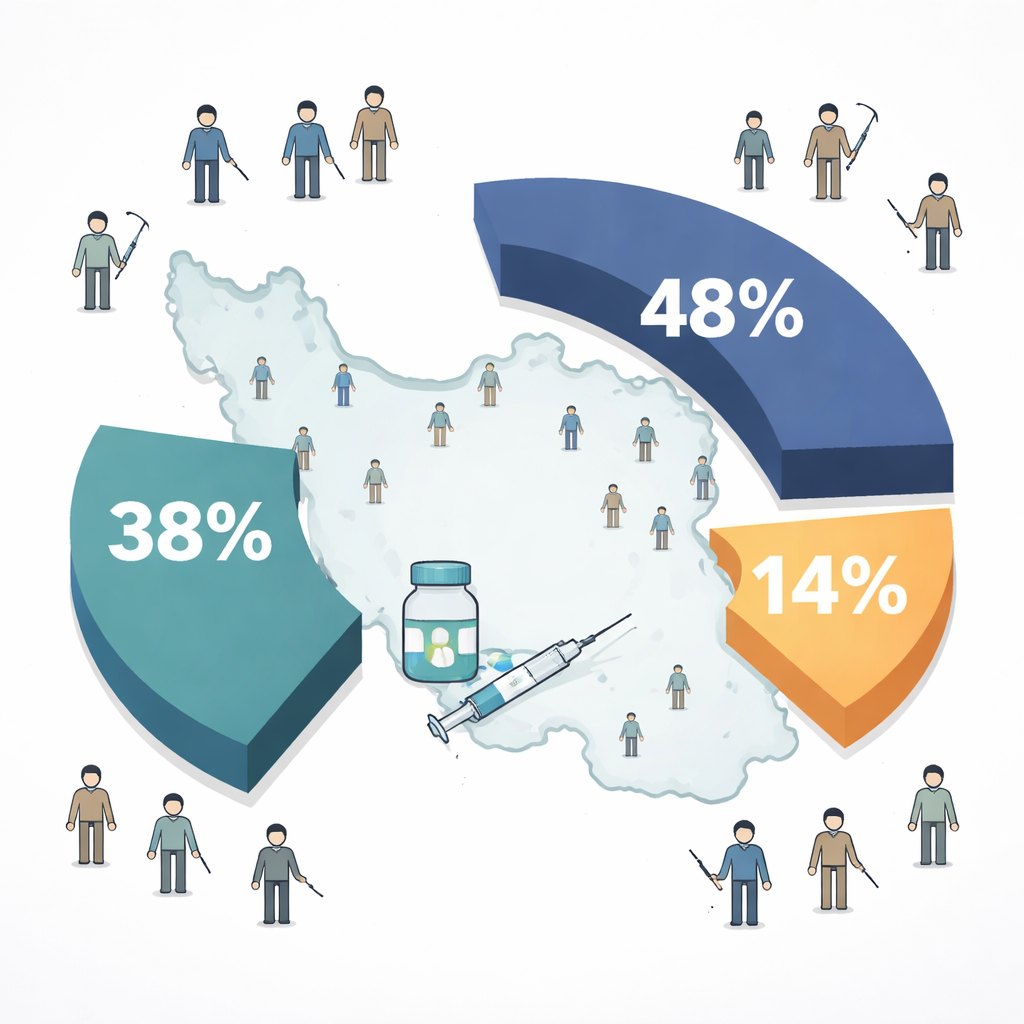
Before the study, only about 1 in 13 participants had even heard of PrEP. Yet after hearing a short explanation, interest was high: nearly 38% said they would use PrEP under any circumstances, and another 48% said they would use it if it were free. Only about 14% expressed no interest at all. This suggests that low awareness, not lack of demand, is the main barrier. The study also showed that interest was closely linked to what people knew and the services they already used. Those with at least a high school education, those who had good knowledge about HIV, and people who had recently used opioid agonist treatment—a standard medical therapy for opioid dependence—were all more likely to say they would take PrEP.
Money, insurance, and access shape decisions
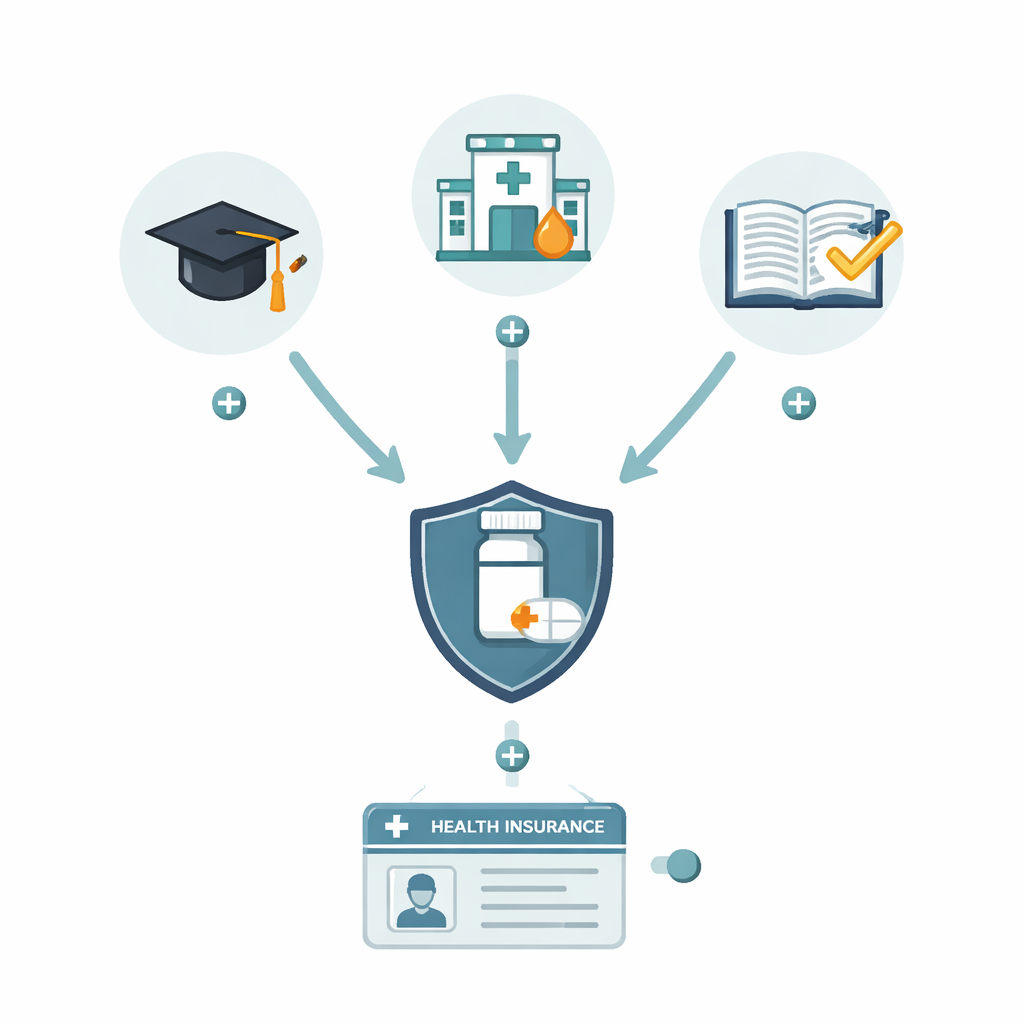
Cost and access emerged as key themes. Many participants said they would be willing to take PrEP if it were free, pointing to the importance of financial support. Surprisingly, people with health insurance were less likely to be interested in PrEP, whether or not it cost money. In Iran, having insurance often signals a more stable income and closer ties to the formal health system. The authors suggest that insured individuals may feel less personally at risk or less in need of a new intervention. In contrast, those who already attended clinics for opioid agonist treatment showed more interest, possibly because they are used to regular care and medication schedules and more open to preventive health measures.
What this means for preventing HIV
For a general reader, the takeaway is clear: when people who inject drugs in Iran learn about an effective HIV prevention pill, most say they would use it—especially if it is free and easy to get. The study argues that adding PrEP to existing harm reduction programs, such as clinics that already provide opioid treatment, could sharply cut new HIV infections in this vulnerable group. To make that happen, Iran would need to reduce costs, expand access points, and invest in simple education about HIV and PrEP. In short, pairing better information with low-cost or free PrEP could turn a strong interest into real protection against HIV.
Citation: Moameri, H., Mehmandoost, S., Tavakoli, F. et al. Interest in HIV pre-exposure prophylaxis use and associated factors among people who inject drugs in Iran: a nationwide survey in 2023. Sci Rep 16, 6184 (2026). https://doi.org/10.1038/s41598-026-36329-0
Keywords: HIV prevention, pre-exposure prophylaxis, people who inject drugs, Iran, harm reduction