Clear Sky Science · en
Predictors of vitamin D deficiency and quality of life in obese patients with obstructive sleep apnea
Why Sleep, Weight, and Sunlight Matter Together
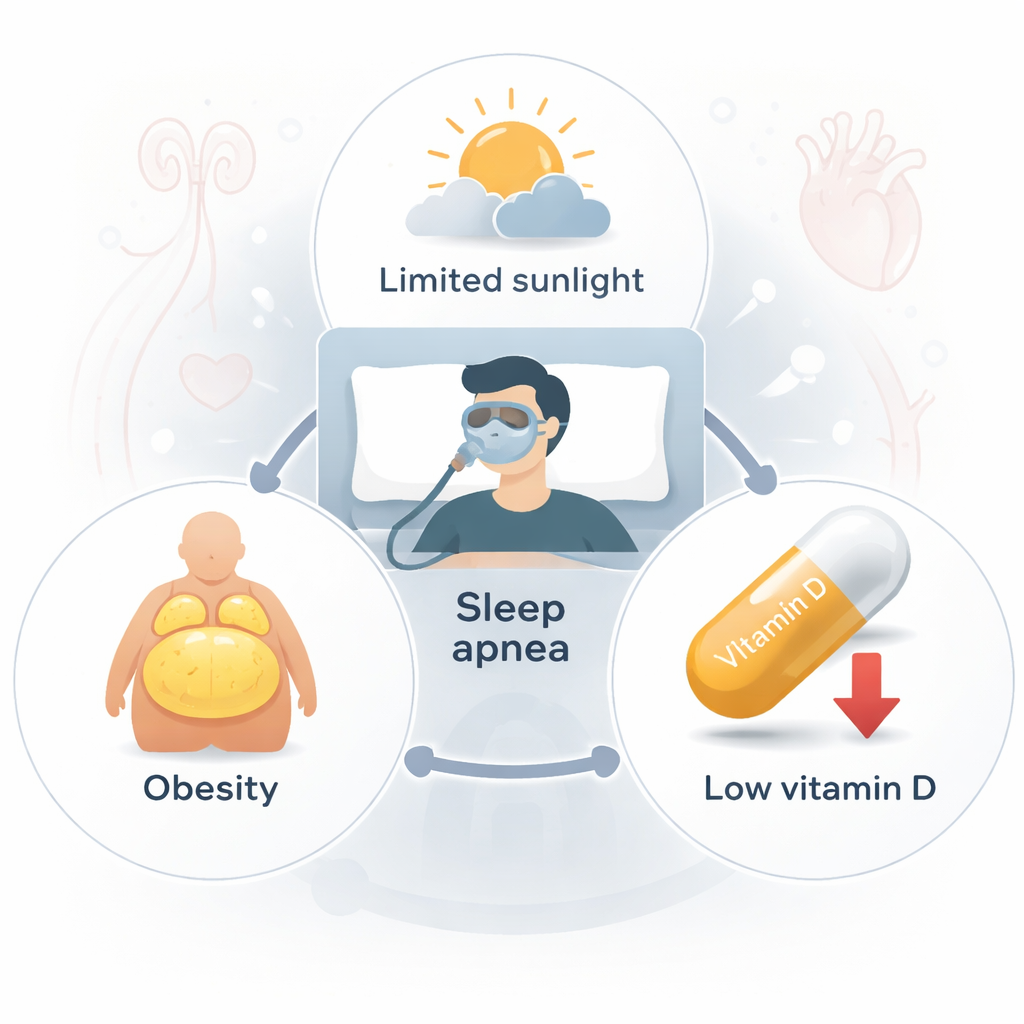
Many people know that poor sleep, excess weight, and low vitamin D can each harm health. But what happens when all three problems collide in the same person? This study from Malaysia explored that question in adults who were both obese and living with obstructive sleep apnea, a condition where breathing repeatedly stops and starts during sleep. The researchers wanted to know how common vitamin D shortages were in this group, what kinds of people were most affected, and whether low vitamin D made their day-to-day quality of life any worse.
Sleep Breathing Problems in a Sunny Country
Obstructive sleep apnea happens when the upper airway repeatedly collapses at night, causing loud snoring, brief choking episodes, and drops in oxygen levels. Over time, it raises the risk of high blood pressure, heart disease, and stroke. At the same time, obesity and vitamin D deficiency have both become widespread in Southeast Asia, even in sun-soaked countries like Malaysia. Vitamin D is often called the “sunshine vitamin” because our skin makes it when exposed to sunlight, yet indoor lifestyles, cultural clothing, and sun avoidance can all lead to low levels. Earlier research suggested that low vitamin D might be linked with sleep apnea, but it was not clear how this played out in Asian patients with obesity.
How the Study Was Carried Out
The researchers recruited 204 adults with confirmed obstructive sleep apnea who were also classified as obese using an Asian-specific body mass index cut-off. Most had moderate or severe disease. Everyone had a detailed sleep study, measurements such as waist size and blood pressure, and fasting blood tests for vitamin D and other markers like blood sugar and cholesterol. Participants also filled in an international quality-of-life survey (WHOQOL-BREF), which looks at physical health, mood, social relationships, and the living environment. A smaller comparison group of 33 healthy, non-obese volunteers from the community also had their vitamin D levels checked. People already taking vitamin D supplements or with conditions that strongly affect vitamin D or calcium levels were excluded.
Who Was Most Likely to Have Low Vitamin D?
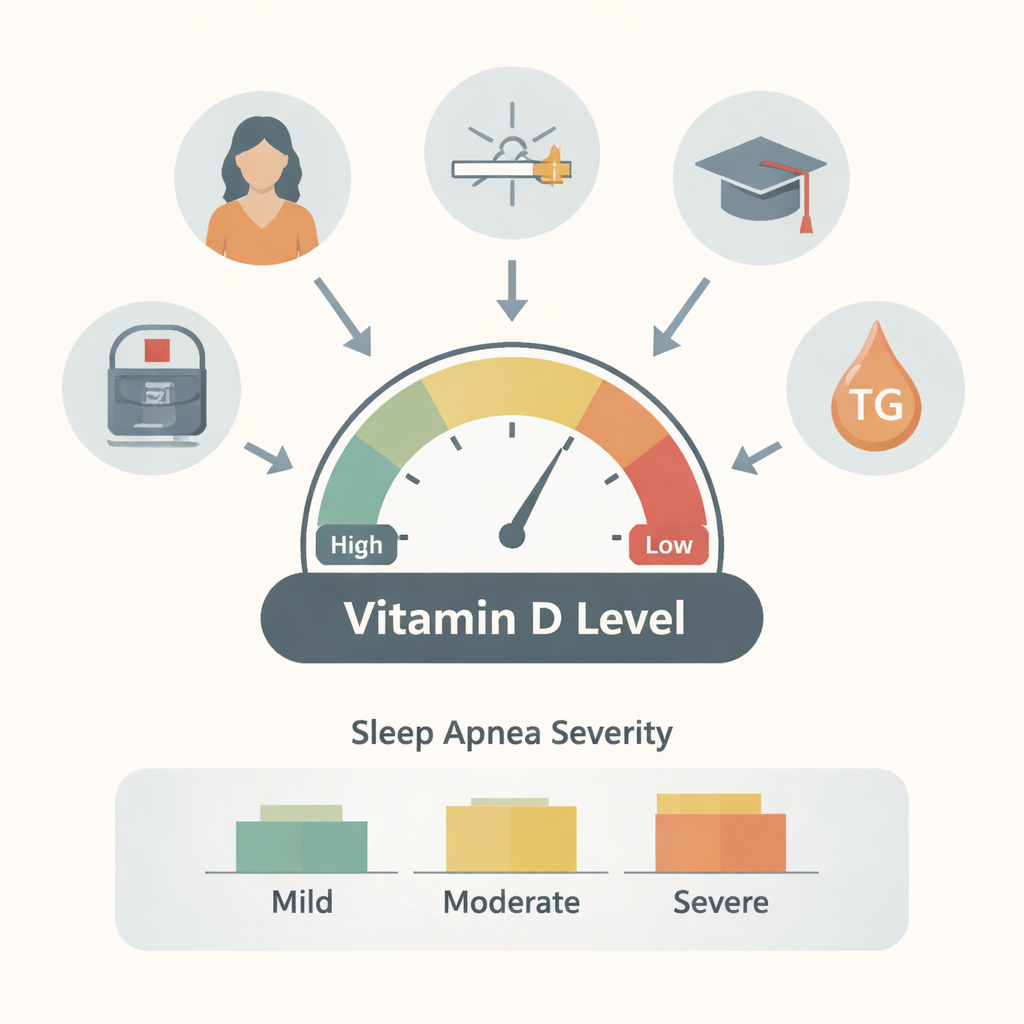
The results were striking: more than 90% of the patients with sleep apnea had either vitamin D deficiency or insufficiency, and their average levels were clearly lower than those of the healthy volunteers. Yet the severity of their sleep apnea itself did not differ between those with low, borderline, or adequate vitamin D. Instead, other traits were much more telling. Patients with vitamin D deficiency were more often women, had higher body mass index, and tended to have higher blood triglycerides, a type of fat in the blood. They were also more likely to be smokers and to have completed secondary or higher education, a pattern that may reflect working indoors and spending less time in the sun. These factors together explained a meaningful share of the differences in vitamin D levels, even though important lifestyle details like outdoor activity and diet were not measured.
Life Quality: Sleep Apnea Matters More Than Vitamin D
When the team examined quality of life, they found that people with more severe sleep apnea reported worse scores across most areas, especially physical health, mood, and social life. In contrast, vitamin D status on its own did not seem to change quality-of-life scores. Someone with very low vitamin D did not necessarily feel worse day-to-day than someone with higher levels, once the severity of their sleep apnea and other health issues were taken into account. The authors caution that the smallest group in the study was the one with normal vitamin D, so subtle differences might have been missed, and they did not assess mood disorders or income levels, which can also influence well-being.
What This Means for Patients and Clinicians
For people who are obese and have obstructive sleep apnea, this research suggests that low vitamin D is extremely common but does not appear to make their sleep apnea more severe or directly worsen their quality of life. Instead, vitamin D deficiency seems to travel alongside other risk factors such as female sex, higher body weight, smoking, and raised blood triglycerides. From a practical standpoint, the authors argue that screening high-risk patients for vitamin D and encouraging safe sunlight exposure, physical activity, and healthier lifestyles could help address a broader cluster of health risks. Larger, long-term studies are still needed to find out whether correcting vitamin D levels in this group can improve heart health, metabolism, or how people feel in their daily lives.
Citation: Loh, H.H., Tay, S.P., Koa, A.J. et al. Predictors of vitamin D deficiency and quality of life in obese patients with obstructive sleep apnea. Sci Rep 16, 5813 (2026). https://doi.org/10.1038/s41598-026-36267-x
Keywords: obstructive sleep apnea, vitamin D deficiency, obesity, quality of life, cardiometabolic health