Clear Sky Science · en
The influence of genetic factors on education health and care plan obtainment for pupils with intellectual developmental disabilities
Why this matters for families and schools
Across England, thousands of children with learning disabilities rely on an Education, Health and Care Plan (EHCP) to get extra support in school. This study shows that not all children with similar needs have an equal chance of receiving that help. By linking genetic test results, family background, and school records for more than 2700 young people, the researchers uncover how a child’s genes and their family’s circumstances together shape access to crucial educational support.
Different roots of the same difficulties
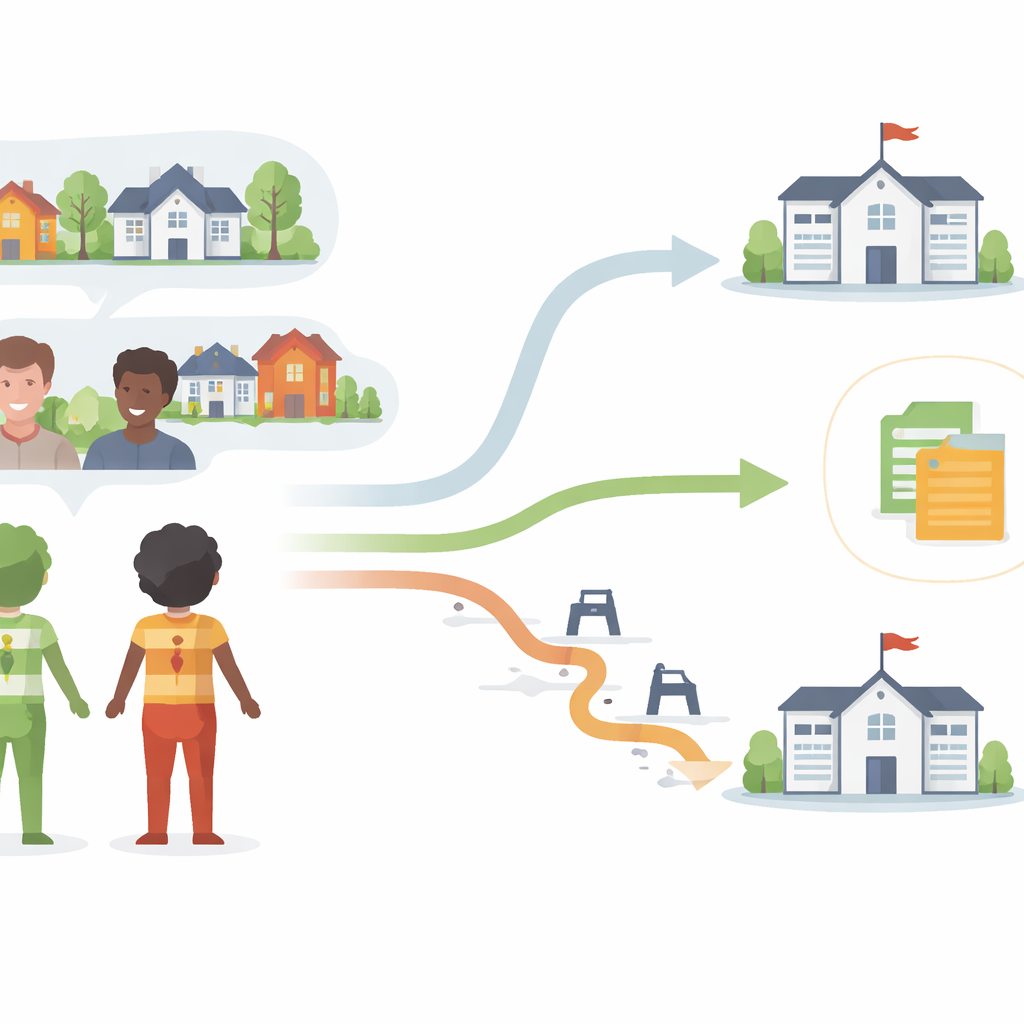
The children in this study all had intellectual developmental disabilities that could be traced to specific genetic changes. Some carried tiny alterations in a single gene, while others had bigger missing or extra stretches of DNA. These changes could arise for the first time in the child (called “de novo”), or be inherited from a parent. Regardless of the precise cause, most children in the study had very low day-to-day living skills compared with the general population, and many also struggled with emotional and behavioural problems. In other words, almost all of them clearly needed substantial support at school.
Unequal chances of getting a support plan
Despite these serious difficulties, only about four in five pupils in the study eventually received an EHCP. Children whose difficulties came from a newly arisen genetic change were markedly more likely to get a plan, and to get it sooner, than those who had inherited a similar type of genetic change from a parent. For example, pupils with certain inherited DNA changes were far less likely to secure an EHCP than pupils with comparable non-inherited changes, even though both groups had equally poor everyday skills and the inherited group often had more severe behaviour problems. On average, those with inherited changes also waited longer between being first recognised as needing help and having a plan put in place.
Where you live and how your parents fared at school
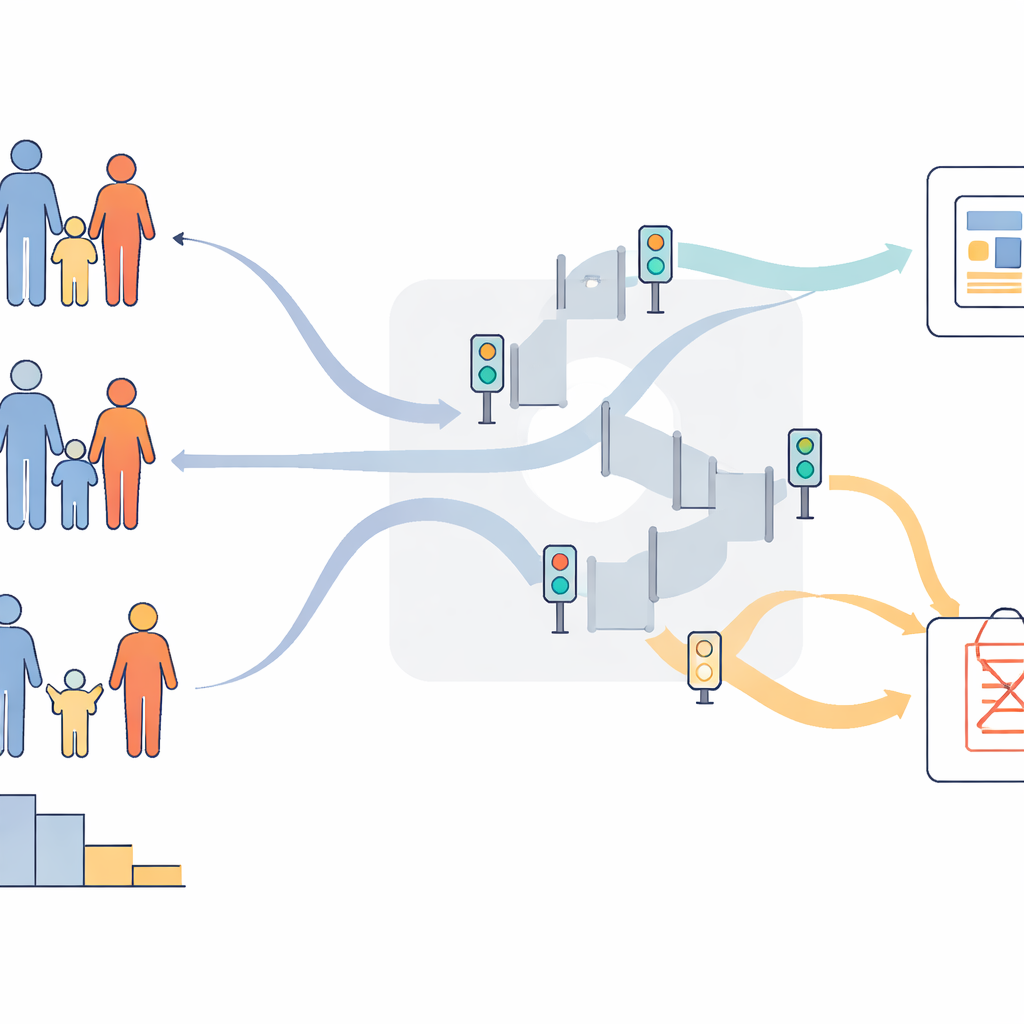
The team then looked at the wider setting in which these children were growing up. Children with inherited genetic variants tended to live in more deprived neighbourhoods, and almost half were eligible for free school meals, a common marker of low family income. Their parents were also less likely to have gone on to higher education. These social differences mattered. Children from less deprived areas were more likely to obtain an EHCP and tended to receive it more quickly. When the researchers combined all the information in statistical models, three things stood out as strong predictors of whether a child would receive a plan and how long they would wait: the type of genetic change, whether it was inherited or new, and the level of deprivation in the neighbourhood.
Hidden hurdles in the application journey
The patterns suggest that it is not simply the severity of a child’s disability that determines access to support. Instead, inherited genetic conditions often go hand in hand with parents who may themselves have learning or mental health difficulties and who live in tougher economic circumstances. Such parents may find it harder to navigate a complex special educational needs system, to challenge decisions, or to pursue appeals. The study also hints that families with more education and resources may be better equipped to push for assessments, take cases to tribunal, and secure timely EHCPs for their children, even when the child’s underlying difficulties are similar.
What this means for children and policy
For a lay reader, the message is stark: among children with genetically based learning disabilities, those who are already disadvantaged by inherited risk and poverty are the least likely to receive the formal school support they need, and they wait the longest when they do. The authors argue that this “double disadvantage” is unfair and avoidable. They call for education and health services to recognise these hidden inequalities and to provide extra advocacy and guidance for families who are less able to fight for an EHCP. In practical terms, their findings support policies that simplify the application process, proactively identify vulnerable families, and ensure that access to specialist educational help depends on a child’s needs, not on their postcode, their parents’ schooling, or whether their genetic condition was inherited or new.
Citation: Lee, I.O., Wolstencroft, J., Housby, H. et al. The influence of genetic factors on education health and care plan obtainment for pupils with intellectual developmental disabilities. Sci Rep 16, 9181 (2026). https://doi.org/10.1038/s41598-026-36227-5
Keywords: intellectual disability, genetic inheritance, educational support, socioeconomic inequality, special educational needs