Clear Sky Science · en
The associated factors of root cause analysis of incident reporting in public primary healthcare in Malaysia
Why everyday clinic safety matters
Most people visit a local clinic far more often than a hospital, trusting that common check-ups, vaccinations, and minor treatments are safe. Yet mistakes and near-misses can still happen in these busy primary healthcare centers. This study from Malaysia looks closely at how clinics learn from such events using a tool called root cause analysis, and asks a simple question with big implications: which kinds of problems are examined in depth so they are less likely to happen again?
Looking behind the scenes of clinic mishaps
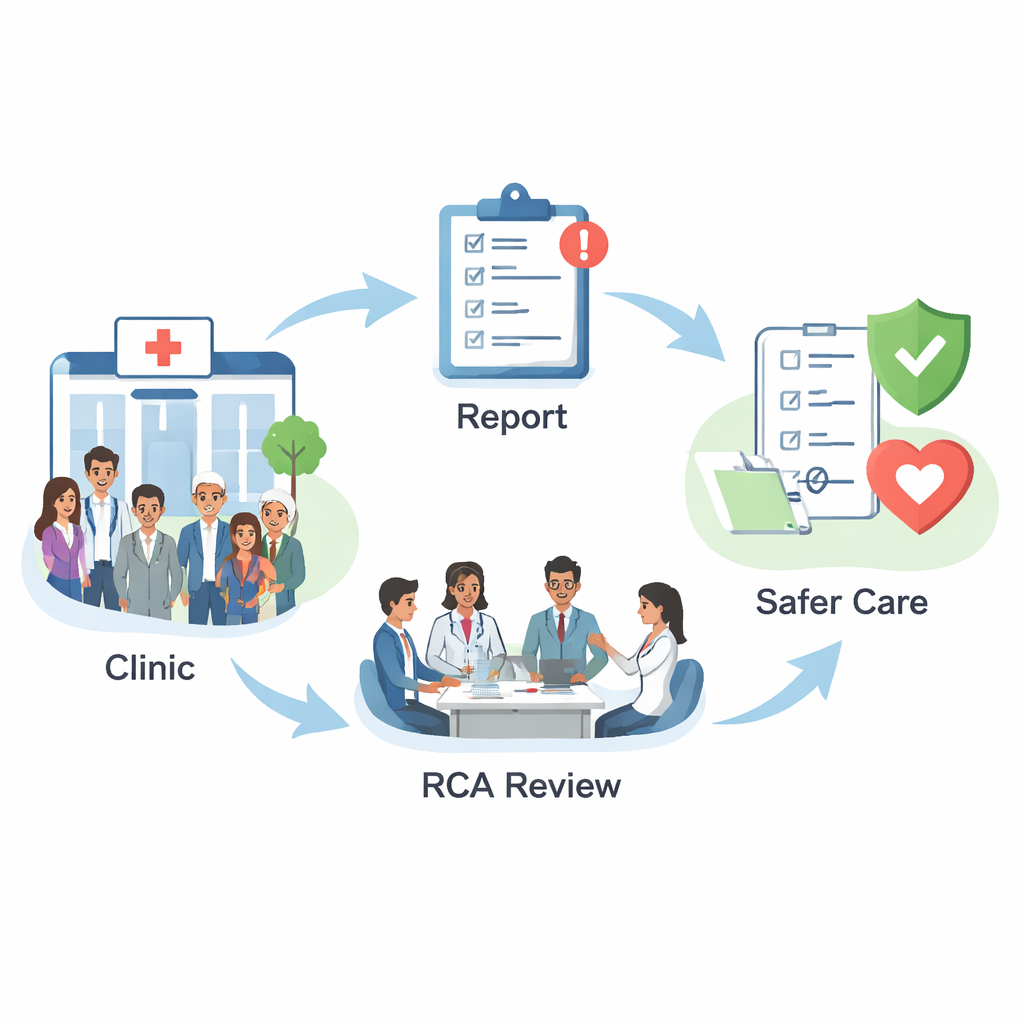
When something goes wrong—or almost goes wrong—in a clinic, staff are encouraged to fill out an incident report. That could cover anything from a medication error to a patient slipping in the waiting area. But filling in a form is only the first step. For some incidents, managers launch a deeper investigation called a root cause analysis, or RCA. An RCA is a structured team review that tries to uncover not just who made a mistake, but why it happened, what in the system allowed it, and how to fix it. In Malaysia’s public primary care clinics, national guidelines say that serious or potentially serious incidents should trigger such an in‑depth review.
What the researchers examined
The researchers collected all incident reports from 88 public primary healthcare clinics in the Malaysian state of Perak for the year 2022. Using a standardized paper form, staff had reported 105 separate incidents that were then sent to district health offices. The team looked at where the incident happened (for example, in consultation rooms, laboratories, or public areas), whether it actually harmed a patient or was a near‑miss, and whether it was clinical (directly related to diagnosis, treatment, or medicines) or non‑clinical (such as falls, equipment problems, or aggression). They also noted how busy each clinic was and whether a family medicine specialist was stationed there. The key outcome was whether each incident moved beyond basic review into a full RCA.
Which problems get a deeper investigation
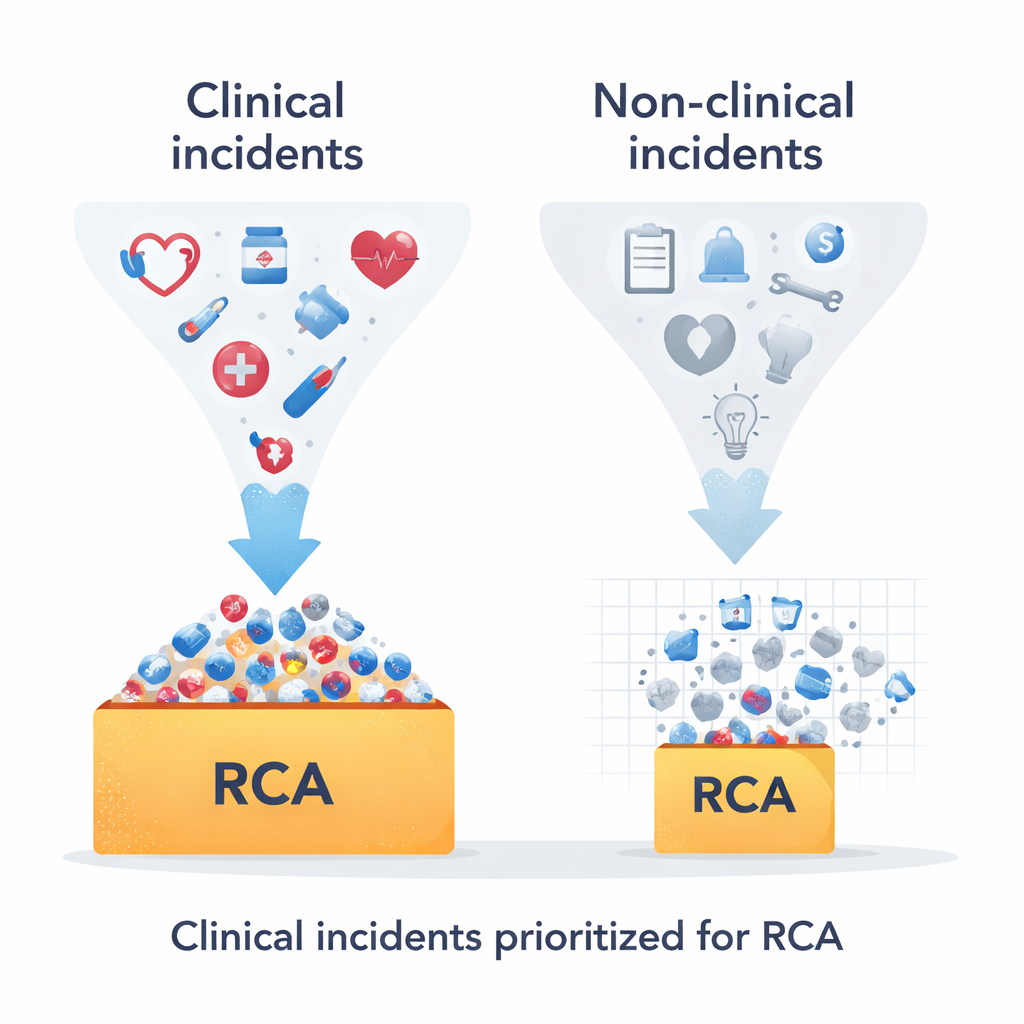
Out of all the incidents reported, about four in ten went on to a root cause analysis. Most incidents involved clinical care, and these were much more likely to receive a full investigation than non‑clinical issues. After taking into account where the incident happened, how busy the clinic was, and whether a specialist was present, the pattern remained striking: incidents tied directly to patient care had more than six times the odds of being examined through RCA compared with non‑clinical events. In contrast, factors such as clinic size, workload, and the presence of a specialist did not meaningfully change the chances that an incident would be escalated for deeper study.
Missed chances to learn from close calls
The study also uncovered a telling imbalance in what gets reported in the first place. Nearly all reports described incidents where some level of harm had already occurred. Very few near‑misses—events that could have harmed a patient but were caught in time—were written up, even though these offer a safer space to learn without a person being injured. Likewise, non‑clinical problems, such as faulty equipment, unsafe walkways, or communication breakdowns, were both less frequently reported and less likely to be put through RCA. The authors suggest that this pattern reflects a culture that focuses on damage already done rather than on learning early from weak spots in the system.
Why these findings matter for patients
For the public, the message is both reassuring and cautionary. On the one hand, clinics are clearly directing their most intensive safety investigations toward problems that directly affect patient care, which is appropriate. On the other hand, overlooking near‑misses and non‑clinical issues may allow hidden risks to build up until someone is harmed. The researchers argue that a more open, non‑punitive culture—where staff feel safe to report all kinds of incidents and receive feedback—would help primary care clinics catch problems sooner. Strengthening training, oversight, and follow‑through on RCA findings could turn everyday mishaps into powerful lessons, making routine visits to the clinic safer for everyone.
Citation: Rani, H.A., Ismail, A., Rahman, H.I.A. et al. The associated factors of root cause analysis of incident reporting in public primary healthcare in Malaysia. Sci Rep 16, 5213 (2026). https://doi.org/10.1038/s41598-026-36129-6
Keywords: patient safety, primary healthcare, incident reporting, root cause analysis, Malaysia