Clear Sky Science · en
Prevalence of diabetes/prediabetes and their associated risk factors among adults with hypertension from iran: a nationwide study
Why this matters to your health
High blood pressure and high blood sugar are two of the most common long-term health problems worldwide, and when they appear together they greatly increase the chances of heart attacks, strokes, and kidney failure. This study from Iran looked closely at how often diabetes and “pre-diabetes” occur in adults who already have high blood pressure, and which people are most at risk. Its findings highlight just how common hidden blood sugar problems are in this group—and why routine screening and better day‑to‑day management could prevent many serious complications.
Taking a nationwide snapshot
Researchers analyzed data from nearly 6,000 Iranian adults with high blood pressure who took part in a World Health Organization–based health survey in 2021. Participants came from all 31 provinces and both cities and rural areas, making the results representative of the country’s adult population. Everyone had their blood pressure measured several times, gave blood samples after an overnight fast, and answered questions about their lifestyle, medical history, and family background. Using these measurements, the team classified people as having normal blood sugar, prediabetes, or diabetes, and then examined how these categories related to age, body size, place of residence, other illnesses, and blood pressure levels.
How common are hidden sugar problems?
The study found that among adults with high blood pressure, one in four had diabetes and nearly one in three had prediabetes—substantially higher than in the general Iranian population. Within the group with diabetes, the picture was worrying: only about one in five had their blood sugar under good control. Half had diabetes that was being treated but remained poorly controlled, nearly 8 percent had been told they had diabetes but were not receiving treatment, and more than one in five had diabetes that had never been diagnosed before the study. Men were more likely than women to have undiagnosed diabetes, and people who already knew and treated their high blood pressure were the most likely to also have diabetes.
Who is most at risk?
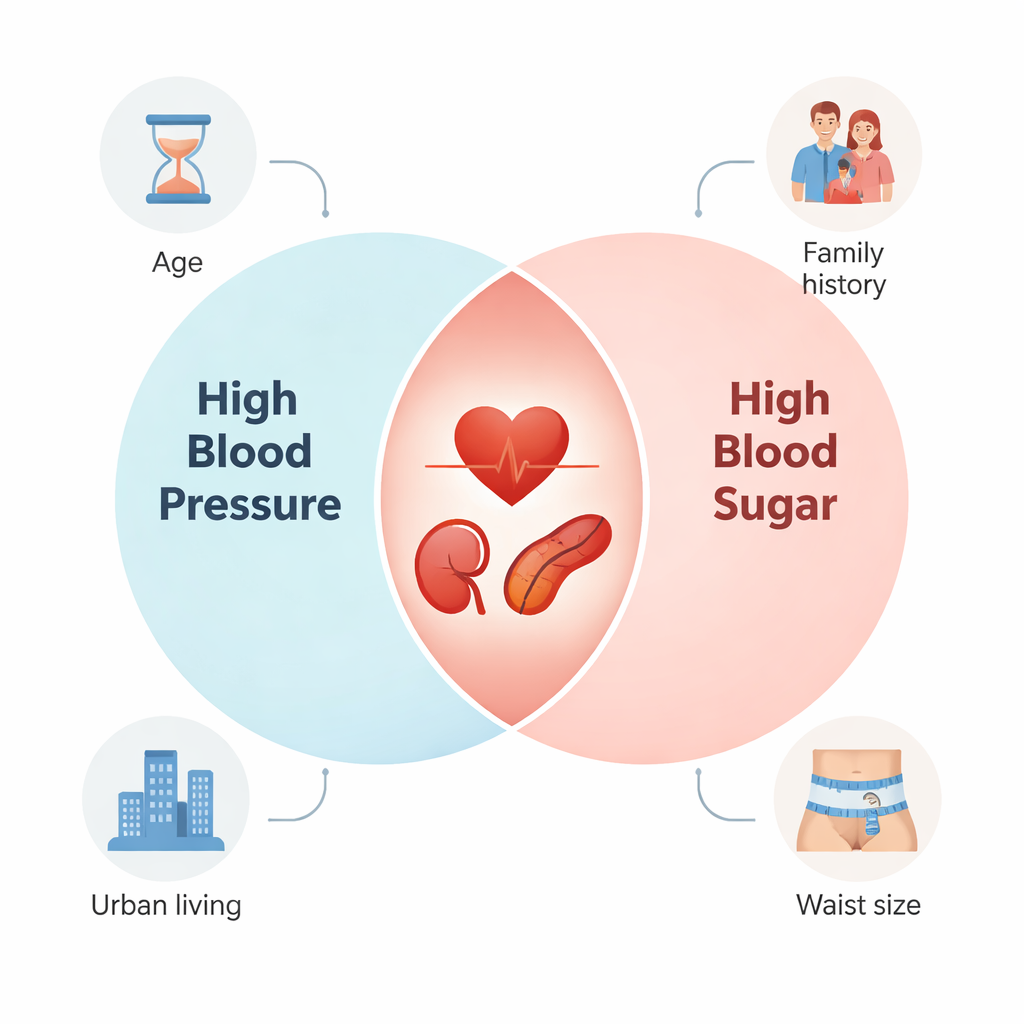
Older age and living in cities were both linked to a higher chance of having diabetes among people with high blood pressure. A larger waist size, which signals fat stored around the abdomen, also raised the odds, as did having chronic kidney disease, cardiovascular disease, or abnormal blood fats. One of the strongest signals was family history: people with a close relative who had diabetes were about three times more likely to have diabetes themselves. Interestingly, those who reported healthier diets were more likely to have diabetes, probably because people often improve their eating habits after being diagnosed with a serious condition.
What does diabetes do to blood pressure?
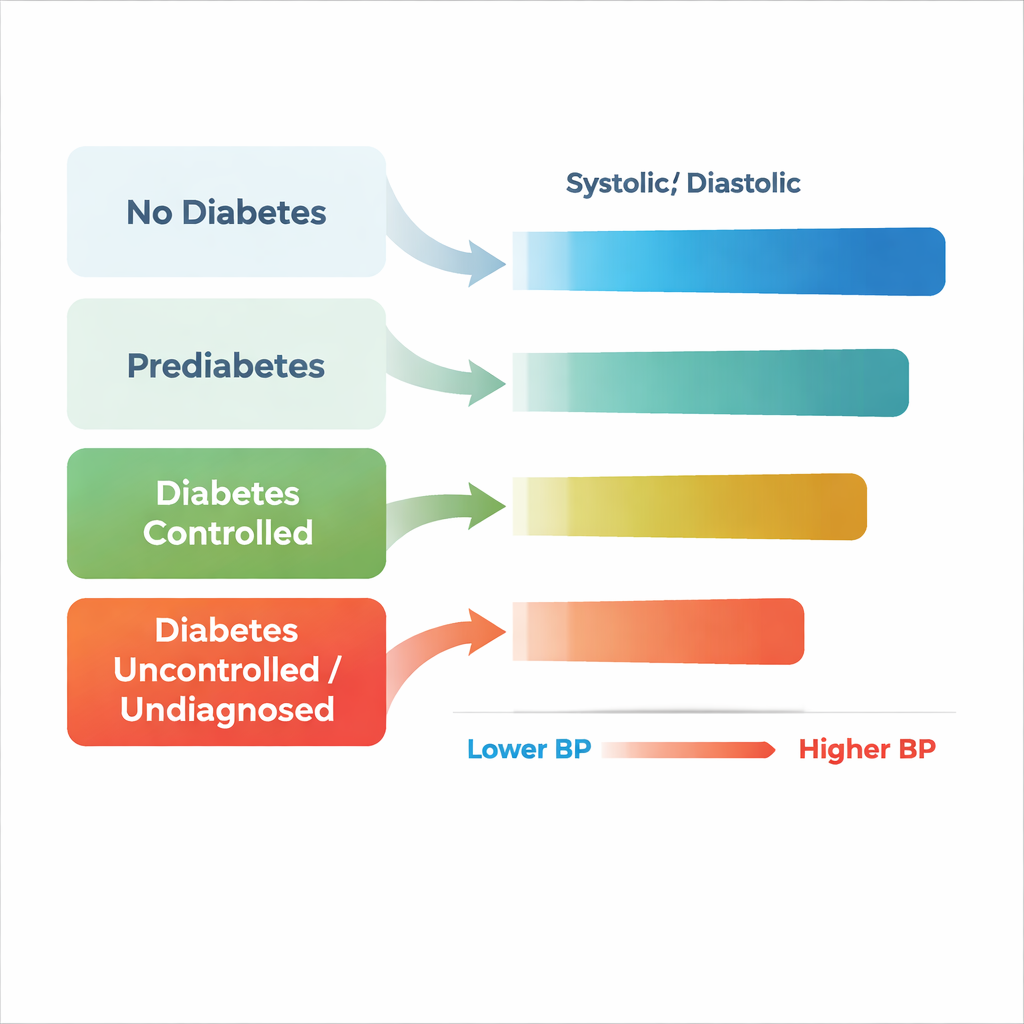
Beyond how common diabetes was, the study also explored how different blood sugar states were tied to blood pressure levels in people already on treatment for hypertension. Those with undiagnosed diabetes had noticeably higher top blood pressure numbers (systolic pressure) than people with normal blood sugar, suggesting extra strain on the heart and arteries. In contrast, people whose diabetes was recognized and reasonably controlled tended to have slightly lower bottom blood pressure numbers (diastolic pressure) than those without diabetes. This pattern supports the idea that recognizing and managing high blood sugar can help with blood pressure control, while missed diabetes quietly pushes blood pressure higher.
What this means for prevention
For a layperson, the main message is straightforward: if you have high blood pressure, there is a very good chance you also have, or will develop, a problem with blood sugar—and you might not know it. Regular blood tests, especially for people who are older, live in cities, carry extra weight around the waist, or have heart or kidney disease, are crucial for early detection. Once found, high blood sugar needs careful, ongoing management alongside blood pressure treatment. Doing both together—through medication when needed and everyday steps like healthier eating, physical activity, and not smoking—can sharply reduce the risk of heart attacks, strokes, and kidney problems in this large high‑risk group.
Citation: Mirzad, M., Golestani, A., Khosravi, S. et al. Prevalence of diabetes/prediabetes and their associated risk factors among adults with hypertension from iran: a nationwide study. Sci Rep 16, 6834 (2026). https://doi.org/10.1038/s41598-026-35998-1
Keywords: hypertension, diabetes, prediabetes, cardiovascular risk, Iran