Clear Sky Science · en
Physicochemical characterization, antioxidant capacity, and antimicrobial activity of Citrullus colocynthis seed oil
From Desert Weed to Helpful Oil
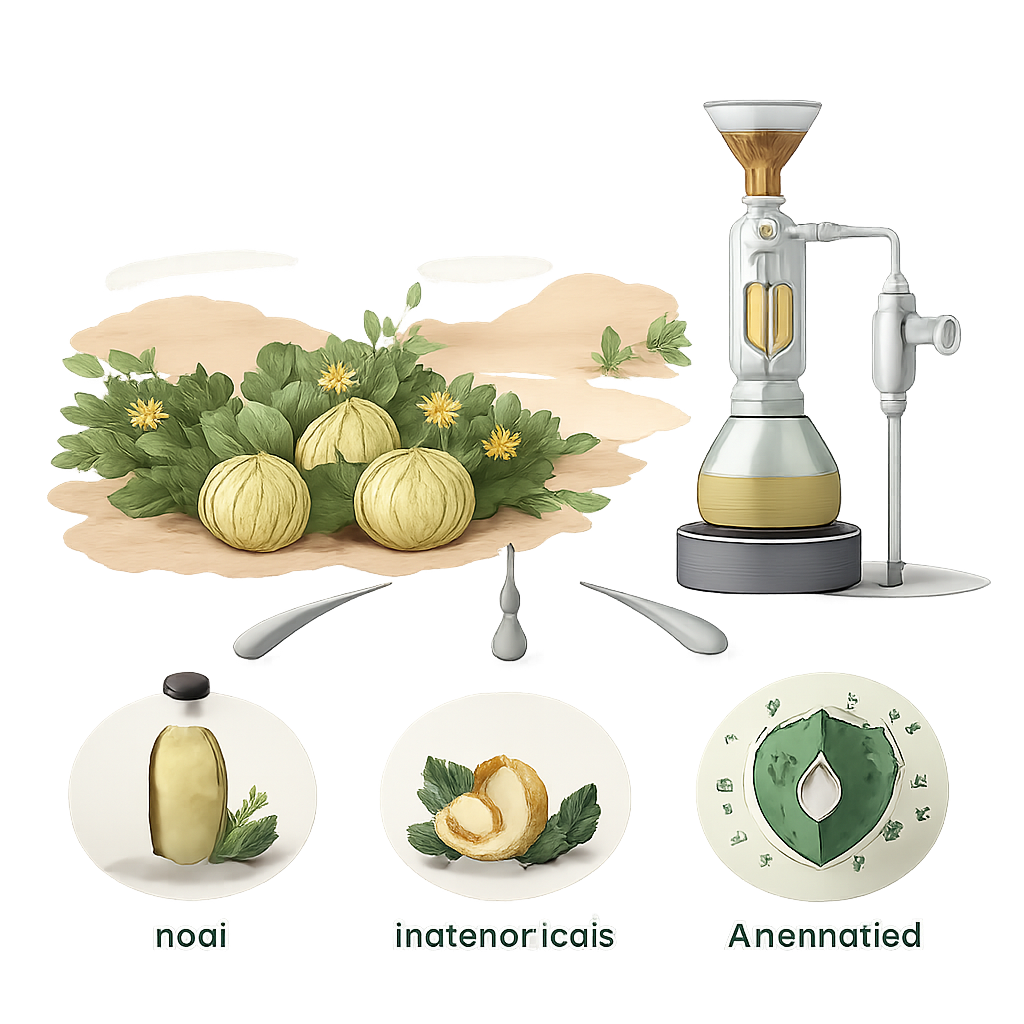
Most of us think of desert weeds as useless scrub, but some of these tough plants quietly store powerful chemistry in their seeds. This study explores the oil from the seeds of Citrullus colocynthis—also called bitter apple—a wild melon that thrives in the hot, dry lands of Ethiopia. The researchers asked a simple question with big implications: could this overlooked seed oil serve as a natural source of ingredients that slow food spoilage and help fight germs, reducing our reliance on synthetic additives?
A Hardy Plant with Hidden Value
Bitter apple is a small, wild cousin of watermelon that survives scorching conditions where many crops fail. Its seeds can hold more than half their weight in oil, yet the plant is largely ignored by mainstream agriculture. At the same time, food and cosmetic makers are searching for natural alternatives to synthetic preservatives that raise health concerns. By focusing on bitter apple seeds collected near Adama, Ethiopia, the team set out to see whether this local resource could offer safe, stable oil that fits international quality standards and provides health-related benefits.
Checking the Basics of the Oil
The scientists first extracted the oil using a hot ethanol wash, a relatively “green” solvent process, and obtained a remarkably high yield of about 49 percent. They then measured key properties such as acidity, how easily the oil turns rancid, density, and how it behaves as a liquid. The values they found, including a low peroxide value that signals resistance to oxidation, matched benchmarks set by FAO/WHO for unrefined edible oils. When they examined the types of fat in the oil, they discovered it was rich in unsaturated fatty acids—especially linoleic and oleic acids—which are often linked to heart-friendly diets and are prized in both culinary and cosmetic formulations.
Testing Antioxidant Power
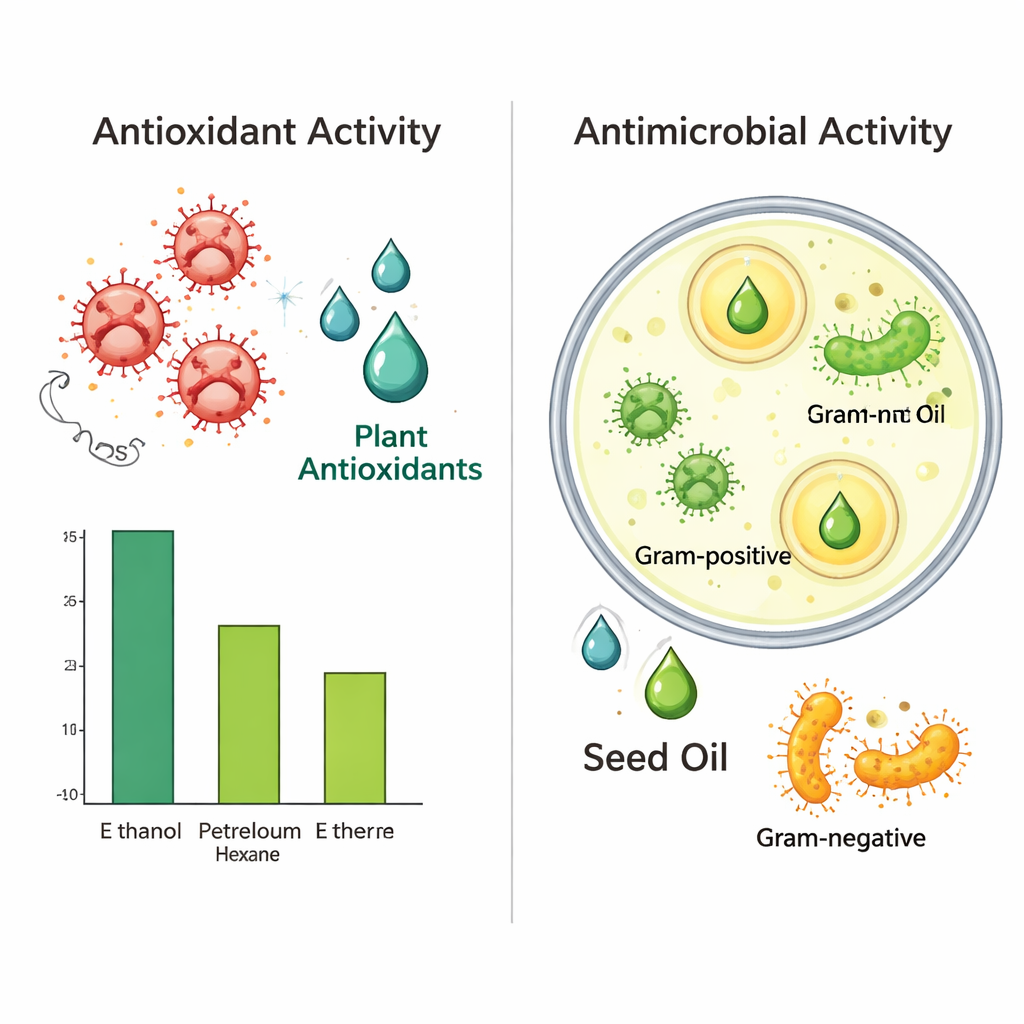
To find out whether the oil and its extracts could act as natural antioxidants, the researchers used laboratory tests that measure how well a substance can neutralize unstable “free radicals” that damage cells and speed up food spoilage. Extracts made with ethanol clearly stood out: they quenched up to about 91 percent of the test radicals at higher doses and showed strong ability to donate electrons in reducing-power assays. These strong results lined up with the high levels of plant compounds known as phenolics and flavonoids measured in the same extracts. In simple terms, the more of these plant chemicals present, the better the extract was at stopping oxidative damage.
Putting Germ-Fighting Claims to the Test
The team also examined whether the seed extracts could slow the growth of common disease-causing bacteria. Using agar plates in which bacteria are grown in a thin layer, they placed droplets of the extracts and measured the clear “no growth” circles that formed around them. Again, the ethanol extract performed best, creating sizable dead zones, especially against Gram-positive bacteria like Staphylococcus aureus, where the largest circle reached 22 millimeters across. The oil also inhibited several Gram-negative species, though they were somewhat harder to stop, likely because of their tougher outer cell walls. Extracts made with petroleum ether and hexane showed weaker, but still noticeable, germ-fighting effects.
What This Means for Everyday Products
Taken together, these results suggest that bitter apple seed oil from Ethiopia is not just chemically stable and rich in useful fats; it also carries a potent mix of natural antioxidants and mild antimicrobial agents. For the average person, that means this once-neglected desert plant could help extend the shelf life of foods, support “clean label” products with fewer artificial additives, and supply ingredients for skin and health products. The authors caution that their tests were done in the lab, not in living animals or people, and that more work is needed to confirm safety and effectiveness in real-world products. Still, the study highlights how re-examining underused plants can uncover sustainable, local solutions to global challenges in food preservation and health.
Citation: Hoffola, A.A., Robi, A.G., Tefera, Z.T. et al. Physicochemical characterization, antioxidant capacity, and antimicrobial activity of Citrullus colocynthis seed oil. Sci Rep 16, 5324 (2026). https://doi.org/10.1038/s41598-026-35932-5
Keywords: bitter apple seed oil, natural antioxidants, antimicrobial plant extracts, edible vegetable oils, sustainable bioresources