Clear Sky Science · en
Optimization of antioxidant extraction from Citrullus colocynthis seed using response surface methodology
Turning a Desert Weed into a Natural Protector
Chemists and food scientists are racing to replace synthetic preservatives with safer, plant-based antioxidants. This study looks at an unlikely hero: the seeds of Citrullus colocynthis, also called bitter apple, a wild gourd that thrives in harsh, dry landscapes. By carefully tuning how its seeds are extracted with alcohol and heat, the researchers show that this underused plant could become a powerful, renewable source of natural antioxidants for foods, supplements, and skincare products.
Why We Need Better Antioxidants
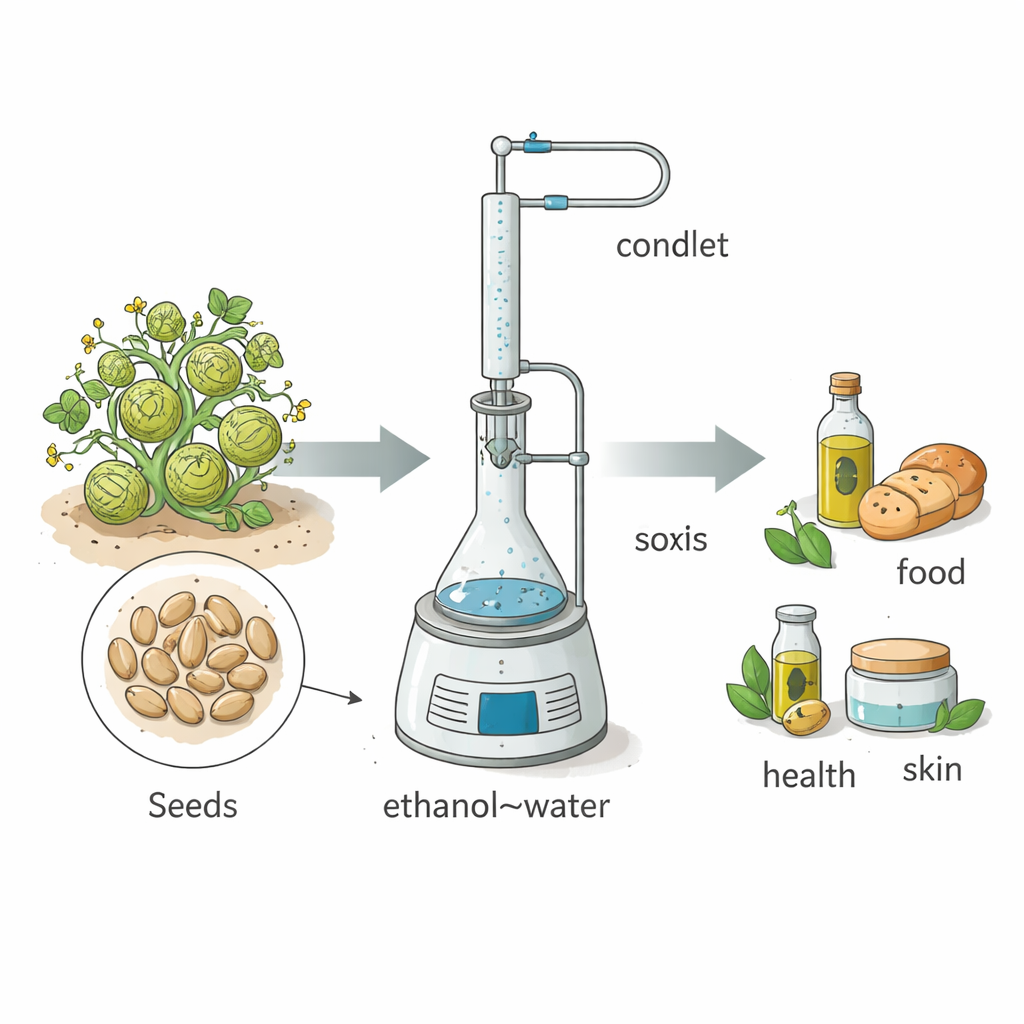
Many packaged foods, cooking oils, and cosmetics rely on synthetic antioxidants such as BHA and BHT to keep fats from turning rancid. These chemicals work, but they are increasingly scrutinized because of links to possible health risks. Plants, on the other hand, naturally produce protective molecules that can neutralize damaging “free radicals” without the same safety concerns. The seeds of bitter apple are rich in such compounds, especially phenolics and flavonoids, which earlier tests suggested have strong antioxidant power. The challenge has been to extract these molecules efficiently, using solvents and temperatures that are both effective and safe for eventual use in food and health products.
Designing a Smarter Extraction Recipe
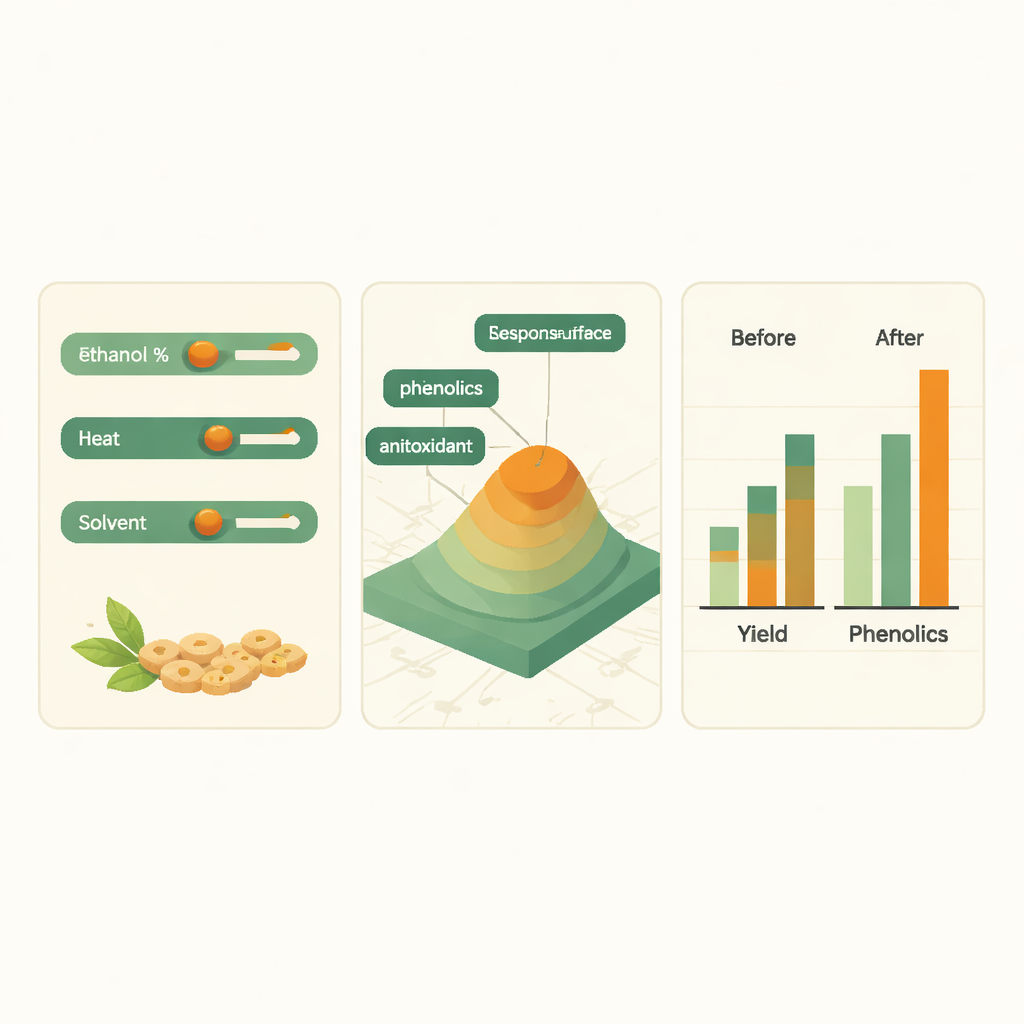
Instead of changing one condition at a time and hoping for the best, the team used a statistical planning tool called response surface methodology to systematically explore the extraction space. They focused on three knobs that matter most: how strong the ethanol–water mixture should be, how hot to run the extractor, and how much liquid to use per gram of seed powder. With a specialized experimental layout known as a Box–Behnken design, they carried out only 17 carefully chosen runs, yet were able to map how these three settings together shaped five key outcomes: total extract yield, the amounts of phenolics and flavonoids, and two common measures of antioxidant activity (DPPH and FRAP).
Finding the Sweet Spot for Strong Protection
The data showed that each knob influenced the results in a different way. Using more ethanol up to a point helped pull out more phenolic compounds, but pushing the alcohol content too high caused the yield to fall again. Warmer temperatures improved extraction at first, then began to destroy the sensitive molecules when it became too hot. Increasing the amount of solvent generally helped, but with diminishing returns once the seeds were well soaked. By fitting curved surfaces to the measurements, the researchers pinpointed an optimal combination: about 76% ethanol in water, a moderate temperature of 55 °C, and roughly 49 mL of solvent per gram of seed. Under these conditions, the extract had high levels of phenolics and flavonoids and showed strong performance in both antioxidant tests.
Linking Seed Chemistry to Antioxidant Power
To understand what was truly driving the protective effect, the team looked at how phenolic content lined up with antioxidant readings across all the experiments. They found very strong positive correlations: batches richer in phenolics almost always scored higher in both DPPH and FRAP assays. This tight relationship backs the idea that phenolic compounds are the main workhorses behind the extract’s ability to quench free radicals and reduce oxidized metals. It also means that measuring phenolic content can serve as a convenient shorthand for predicting how well the extract will perform as a natural preservative.
From Lab Bench to Real-World Use
In simple terms, this study delivers a well-tested recipe for squeezing the most natural antioxidant power out of bitter apple seeds using food-grade ethanol and a classic piece of lab glassware. The optimized process gives a reliable, high-quality extract while avoiding harsh chemicals and extreme heat. For industry, that opens the door to turning an overlooked desert plant into a valuable ingredient to keep oils and foods fresher for longer, to support nutraceutical capsules, or to protect skin formulations against oxidative damage. Further work is still needed to fully profile the chemistry and confirm safety in real products, but the path from wild gourd to useful protector is now clearly mapped.
Citation: Hoffola, A.A., Robi, A.G., Tefera, Z.T. et al. Optimization of antioxidant extraction from Citrullus colocynthis seed using response surface methodology. Sci Rep 16, 5586 (2026). https://doi.org/10.1038/s41598-026-35921-8
Keywords: natural antioxidants, plant seed extracts, green extraction, phenolic compounds, food preservation