Clear Sky Science · en
Neonatal sepsis and its associated factors among asphyxiated newborns admitted in West Oromia Tertiary Hospitals, Ethiopia
Why this matters for newborns
Across the world, many babies die in the first weeks of life from infections that might be preventable. This study from West Oromia, Ethiopia, looks closely at newborns who were already in trouble at birth because they did not get enough oxygen, a condition called birth asphyxia. By asking how many of these fragile babies develop serious bloodstream infections, and what tips the balance toward infection, the authors offer clues that can guide lifesaving care in busy hospitals with limited resources. 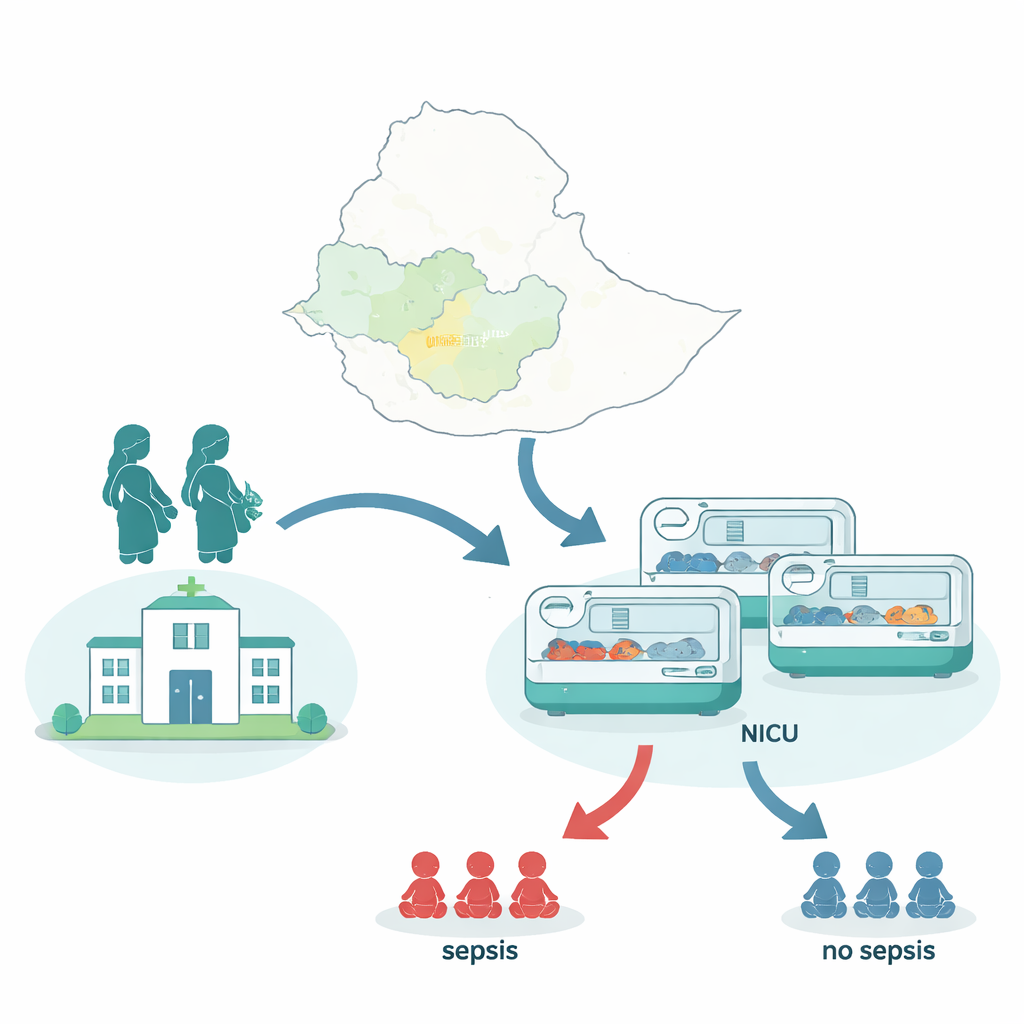
Babies struggling from their first breath
Birth asphyxia happens when a baby does not start breathing well right after delivery. Doctors often see low Apgar scores, weak crying, or the need for resuscitation. These newborns are usually rushed to a neonatal intensive care unit (NICU), where they face a double threat: injury from lack of oxygen and a high risk of infection. In low- and middle-income countries, infections in the first 28 days of life are a leading cause of death, yet most research looks at all newborns together rather than focusing on this particularly vulnerable group.
A closer look at hospitals in West Oromia
The researchers reviewed four years of medical records from five large hospitals in West Oromia. They identified 423 babies admitted to NICUs between 2018 and 2021 with birth asphyxia, based mainly on low Apgar scores and signs of brain injury. Using a standard form, trained nurses collected information about the mothers’ pregnancies and labors, the babies’ conditions after birth, and the treatments they received. The team then used statistical methods to see which clinical features and care practices were linked to later diagnosis of neonatal sepsis, based on doctors’ notes and, when available, laboratory results.
Alarmingly high rates of infection
The findings were stark: about three out of every four asphyxiated newborns (75.9%) were diagnosed with sepsis during their NICU stay. This proportion is far higher than reports from wealthier countries and even above earlier estimates for Ethiopian newborns in general. Most babies in the study were born at term and had normal birth weight, but many needed resuscitation and did not cry at birth, reflecting how sick they were. The study could not always rely on blood culture proof of infection, so some cases may have been overcalled; however, even allowing for that, the burden of suspected sepsis among these infants was very high.
Key warning signs: low sugar, jaundice, and late feeding
When the team examined many possible influences, three stood out. First, babies with low blood sugar (hypoglycemia) were about twice as likely to have sepsis. Serious illness can reduce a newborn’s ability to feed and keep blood sugar stable, and infection itself can disturb sugar control, creating a dangerous spiral. Second, babies with strong jaundice from high bilirubin levels were about three times more likely to be diagnosed with infection. Sepsis can damage red blood cells and the liver, both of which raise bilirubin levels, so severe jaundice in an asphyxiated baby should prompt careful infection checks. Third, and perhaps most actionable, babies who started tube or oral feeding only after the first two days—or had not started at all—had five to seven times higher odds of sepsis than those fed earlier. Early milk, especially colostrum, provides vital immune protection and helps mature the gut, which may reduce the chance that harmful germs cross into the bloodstream. 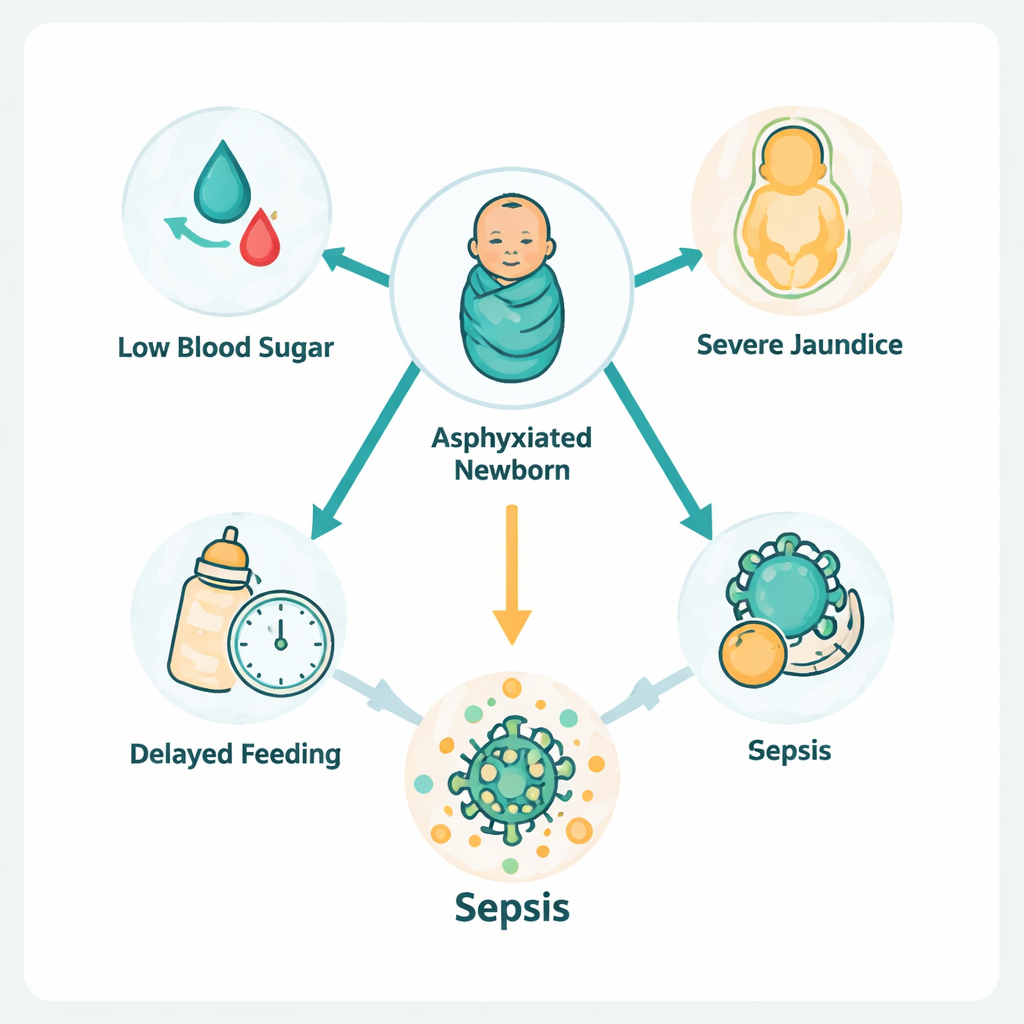
What this means for care in the first days
For families and health workers, the message is both sobering and hopeful. Asphyxiated newborns in this Ethiopian region face a very high risk of serious infection, but the study points to practical steps that could help. Making sure these babies receive milk as soon as it is safe, quickly identifying and treating low blood sugar, and giving urgent attention to those with marked jaundice may all reduce the toll of sepsis. While more detailed future research is needed, especially using stronger laboratory confirmation, this work highlights simple priorities that could save fragile lives in the first days after birth.
Citation: Daka, D.T., Terefe, B., Gedefaw, G.D. et al. Neonatal sepsis and its associated factors among asphyxiated newborns admitted in West Oromia Tertiary Hospitals, Ethiopia. Sci Rep 16, 5062 (2026). https://doi.org/10.1038/s41598-026-35866-y
Keywords: neonatal sepsis, birth asphyxia, newborn infection, Ethiopia, NICU care