Clear Sky Science · en
Enhancing healthcare workers’ safety and well-being through a comprehensive qualitative analysis across hospital settings
Why the Health of Caregivers Matters to Everyone
When we or our loved ones go to the hospital, we expect calm, focused professionals at the bedside and behind the scenes. But around the world, doctors, nurses, pharmacists, and lab workers are under growing strain from staff shortages, high workloads, and complex technology. This study looks closely at how safe, supported, and mentally healthy these professionals feel in their daily work—and how the tools they use can either help or hurt. Understanding their experience is key to building hospitals that protect both patients and the people who care for them.
Taking the Pulse of Hospital Work Life
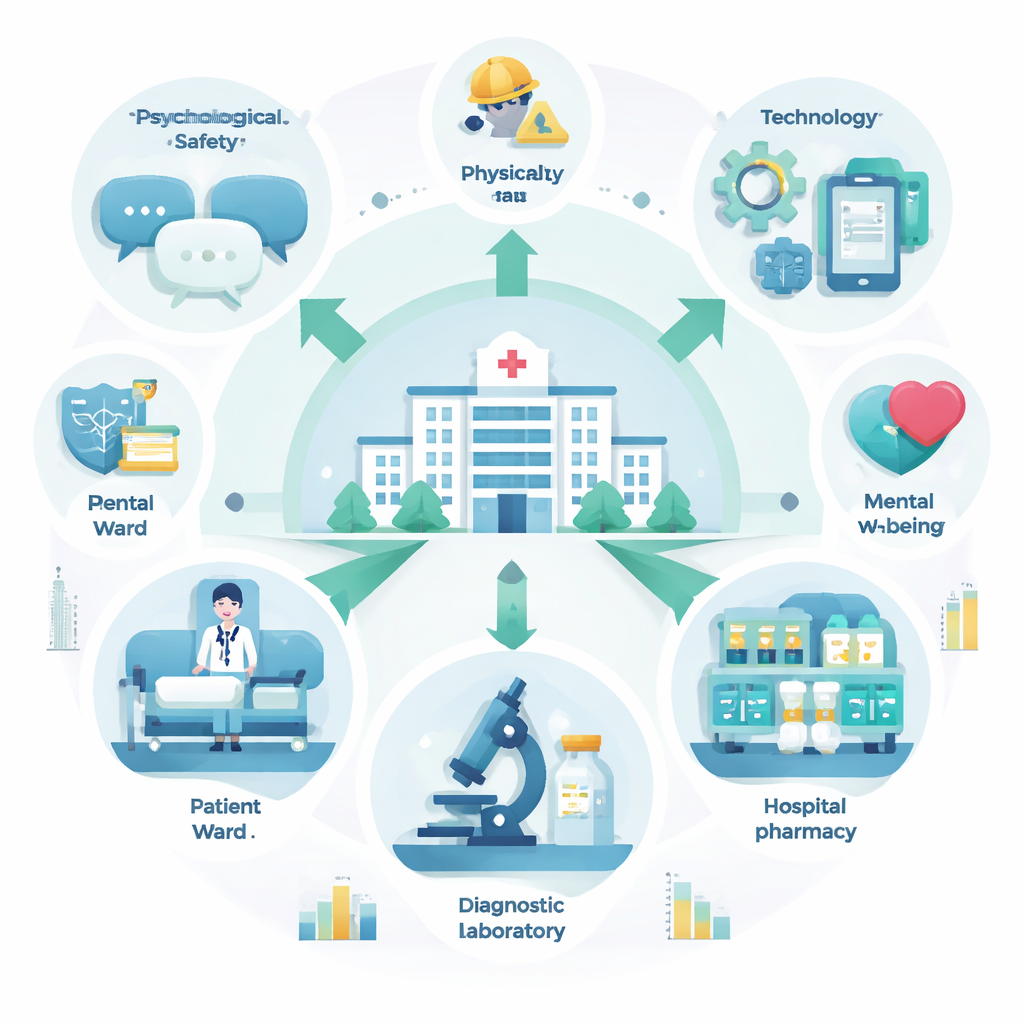
The researchers surveyed 449 healthcare professionals across hospital wards, diagnostic laboratories, and pharmacies in 13 countries in Europe, the Middle East, and Africa. Participants completed an anonymous online questionnaire available in five languages. It asked about psychological safety (whether people feel free to speak up and ask for help), physical safety on the job, mental well-being, enthusiasm for their work, and overall quality of professional life. The survey also probed how everyday technologies—from safety catheters to automated pharmacy and lab systems—shape their workload, safety, and satisfaction.
Feeling Safe to Speak Up and Stay Engaged
On the surface, many professionals reported reasonably good conditions: about six in ten felt psychologically safe at work, and just over half felt strongly engaged in their jobs. Yet these averages hid important differences across regions. Respondents in the Middle East and Africa, for example, reported higher psychological safety than those in Italy, while staff in Belgium and the Netherlands felt less engaged than colleagues elsewhere. These contrasts suggest that broader national culture, leadership style, and hospital management practices play a strong role in whether staff feel heard, respected, and able to learn from mistakes without fear.
Stress, Exhaustion, and Everyday Risks
Despite the generally positive picture, a substantial minority were struggling. More than a quarter of respondents often felt worn down, and 40% said they frequently felt exhausted. Some described feeling mentally distant from their work or cognitively impaired—warning signs of burnout. Access to mental health support made a clear difference: where hospitals offered counseling or peer-support programs, staff reported lower fatigue and better mental well-being. Physical safety was also a concern. While seven in ten felt their workplace was generally safe, ward staff were more exposed to aggression from patients and colleagues, as well as to radiation and other hazards. A small but important share felt unsafe because of chemical exposure, infections, or injuries from patient handling, underlining that “caring work” can be physically risky.
How Technology Helps—and When It Hurts
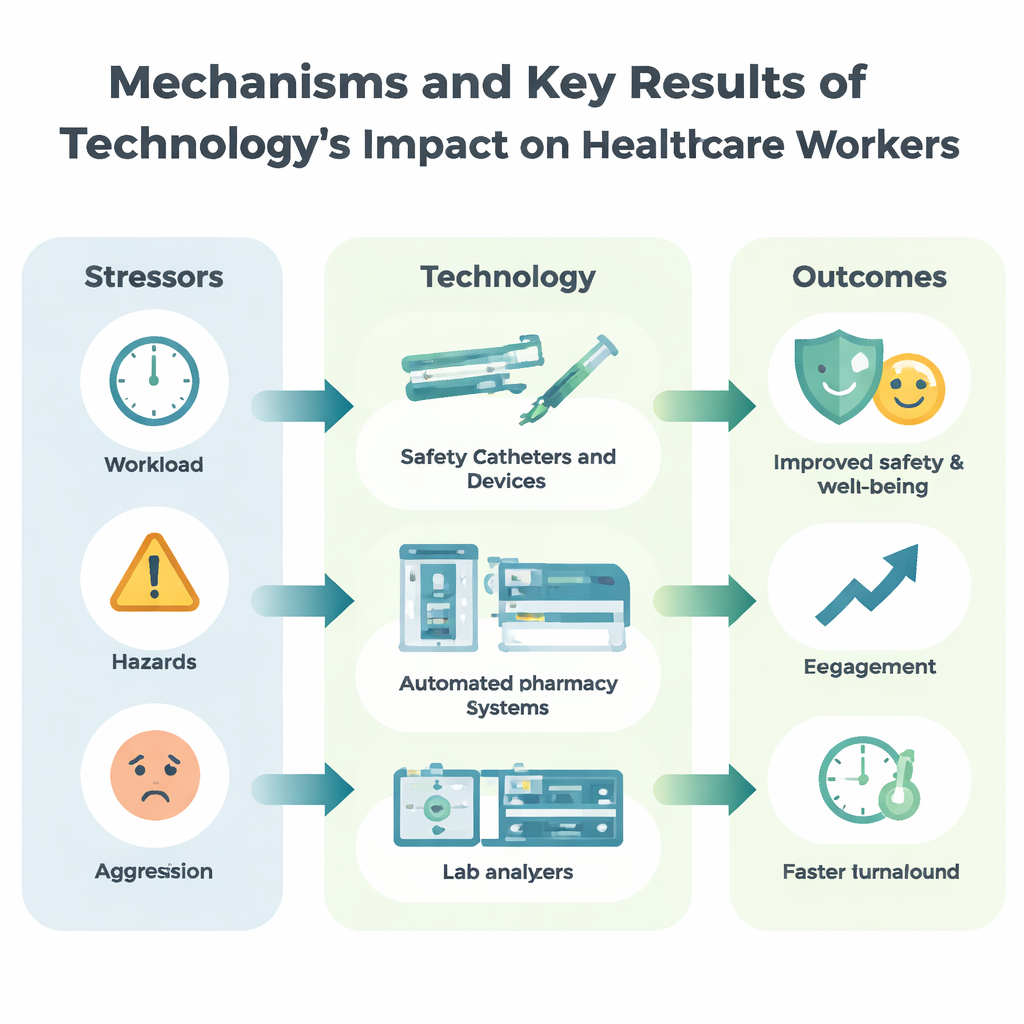
Technology emerged as a double-edged sword. In pharmacies and labs, automated systems and specialized devices were widely used and generally seen as boosting safety, reducing medication errors, and speeding up test results. Ward staff reported that safety catheters and drug-management tools improved patient protection and made work more efficient. Across settings, many professionals felt these systems streamlined workflows and were well integrated into daily routines. Yet far fewer believed technology actually reduced their workload, and a notable share were dissatisfied with the training they received. When new tools were rolled out without sufficient support or adapted poorly to real work patterns, they could add frustration and mental strain rather than relief.
Building Hospitals That Care for Their Caregivers
Overall, the majority of respondents were satisfied with their professional quality of life and proud of the care they provide, especially when psychological safety, physical protection, and good teamwork were in place. The study’s message for the public and policymakers is straightforward: the safety and well-being of healthcare workers are not optional extras but core ingredients of safe, high-quality care. Thoughtfully designed staffing, open communication, and user-friendly technologies can help keep caregivers healthy, motivated, and present for patients. When hospitals invest in their people as carefully as they invest in new equipment, everyone who steps through the doors—staff and patients alike—stands to benefit.
Citation: Foglia, E., Ferrario, L. & Garagiola, E. Enhancing healthcare workers’ safety and well-being through a comprehensive qualitative analysis across hospital settings. Sci Rep 16, 5084 (2026). https://doi.org/10.1038/s41598-026-35681-5
Keywords: healthcare worker well-being, hospital work environment, psychological and physical safety, burnout and stress in hospitals, health technology in care settings