Clear Sky Science · en
Genetic and epidemiological patterns of primary immunodeficiency diseases in Eastern Iranian patients
Why Some People Keep Getting Sick
Most of us fight off colds and other infections without thinking about it, but for some children and adults, ordinary germs can be life‑threatening. These people may have hidden genetic glitches in their immune system, known as primary immunodeficiency diseases. This study looks at families from eastern Iran, where marriage between relatives is common, to uncover how such inherited immune problems arise and how modern DNA testing can help find them in time.
Hidden Weaknesses in the Body’s Defenses
Primary immunodeficiency diseases are disorders present from birth, caused by changes in a single gene that controls how the immune system works. The problems can be dramatic, such as babies who cannot fight infections at all, or more subtle, such as teenagers with repeated ear, lung, or skin infections. Because these illnesses can look very different from one person to the next, they are often missed or diagnosed late. Doctors increasingly rely on genetic tests to pinpoint the exact cause so that patients can receive the right treatment and families can be counseled about future pregnancies.
Studying Families in a High-Risk Region
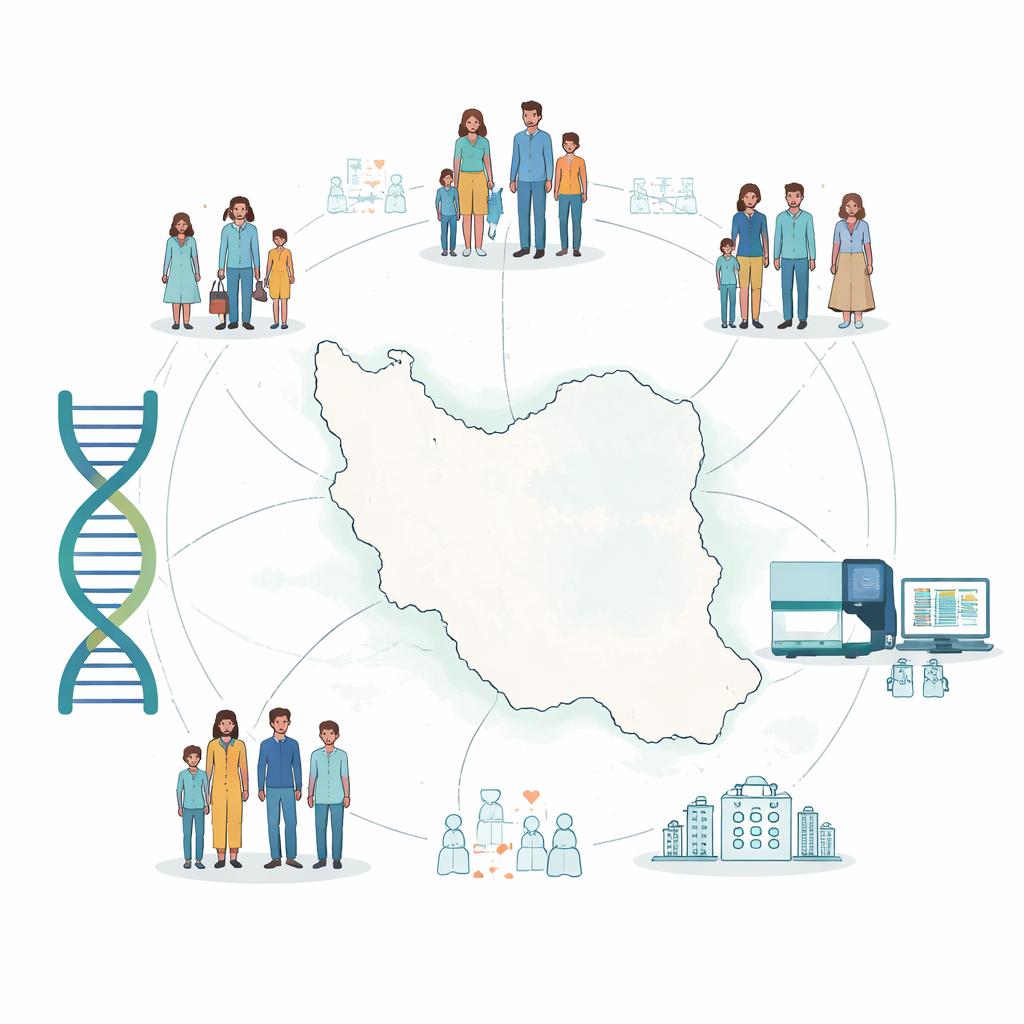
The researchers examined 99 unrelated patients from eastern Iran who were suspected of having these inherited immune problems. This region, home to about nine million people, has a high rate of marriages between cousins and other relatives, which increases the chance that children inherit two faulty copies of the same gene. The team collected detailed medical records and family trees, then used a powerful method called whole exome sequencing, which reads nearly all the protein‑coding parts of a person’s genes. Any suspicious genetic changes were double‑checked with older, highly accurate techniques to be sure the results were correct.
What the Genetic Scans Revealed
The approach proved strikingly successful: in about 83 out of 100 patients, the scientists could find a genetic explanation for the immune problem. They discovered changes in more than 50 different genes, and 47 of these changes had never been reported before. Many of the faulty genes affected both major arms of the immune system, which together protect against viruses, bacteria, and fungi. Some patients had well‑known severe conditions, such as forms of “severe combined immunodeficiency” that leave babies nearly defenseless. Others had more complex syndromes, where immune troubles appear alongside growth, brain, or organ problems. A gene called EPG5, previously linked to a rare disorder called Vici syndrome, turned up repeatedly with new changes in several affected children.
Patterns in Symptoms, Inheritance, and Pregnancy Loss
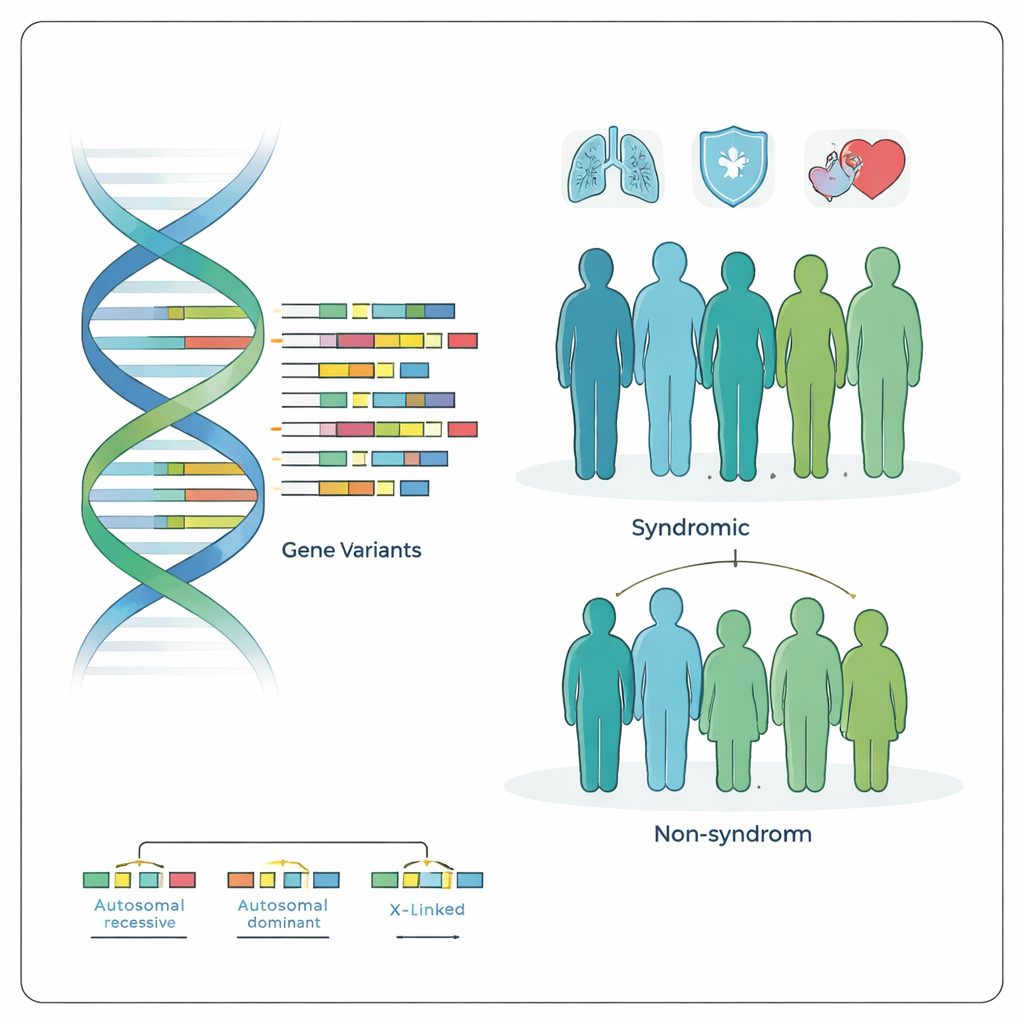
Across the group, the most common complaint was repeated infections, especially in the lungs, followed by low levels of protective antibodies or unusually high levels of a different antibody (IgE) linked to allergies. In many families, several relatives were affected, reflecting the high rate of shared ancestry. Most of the harmful changes followed an autosomal recessive pattern, meaning a child became ill only when inheriting the same faulty gene from both parents. Intriguingly, the study also found families in which specific immune‑related gene changes appeared in parents who had experienced several unexplained miscarriages. This suggests that, in some cases, a severe immune defect may lead to pregnancy loss before a baby is born, although more research is needed to confirm this.
What This Means for Patients and Families
For people living with frequent, unexplained infections, these findings show that the cause may lie in their genes—and that modern DNA testing can often uncover it. In this Iranian group, reading the exome provided clear or highly likely answers in more than four out of five cases, a particularly high success rate thanks in part to the shared genetic background in many families. Identifying the exact gene problem can guide treatment choices, allow prenatal or early testing in future pregnancies, and help doctors design health policies suited to local needs. For families and clinicians alike, the message is hopeful: careful genetic analysis can turn a confusing pattern of illness into an understandable diagnosis and, ultimately, better care.
Citation: Salehi, M., Ahanchian, H., Karimiani, E.G. et al. Genetic and epidemiological patterns of primary immunodeficiency diseases in Eastern Iranian patients. Sci Rep 16, 6993 (2026). https://doi.org/10.1038/s41598-026-35604-4
Keywords: primary immunodeficiency, genetic testing, whole exome sequencing, consanguinity, inborn errors of immunity