Clear Sky Science · en
The relationship between emotional intelligence and work performance among palestinians’ midwives in obstetrics and gynecology departments
Why Feelings Matter in the Delivery Room
Childbirth is one of the most intense moments in many people’s lives. In Palestine, midwives working in obstetrics and gynecology units guide families through joy, fear, pain, and sometimes loss—often in crowded, under-resourced hospitals. This study asks a deceptively simple question with wide-reaching implications: does a midwife’s ability to understand and manage emotions—known as emotional intelligence—actually translate into better performance at work and, ultimately, better care for mothers and babies?
The Human Side of a Demanding Job
Midwives do far more than monitor vital signs and assist with deliveries. They make rapid decisions, comfort anxious families, and coordinate with doctors and other staff in emergencies. The researchers describe emotional intelligence as the capacity to recognize, understand, manage, and use emotions effectively in oneself and others. For midwives, this includes noticing when a woman in labor is frightened, staying calm under pressure, communicating clearly with colleagues, and drawing on feelings like empathy to guide sensitive conversations. These skills may protect against burnout and help maintain high-quality care in stressful settings.
How the Study Was Carried Out
To explore the link between emotional intelligence and job performance, the team surveyed 167 midwives working in obstetrics and gynecology departments in nine hospitals across Palestine. The study, conducted over two months in 2025, used well-established questionnaires. One measured emotional intelligence across four areas: sensing emotions, managing one’s own feelings, handling others’ emotions, and using emotions to support thinking and action. The other measured how well midwives felt they performed at work, including how much they accomplished, the quality of their work, and whether they completed tasks on time. The researchers also collected information on age, education, years of experience, and work shifts.
What the Researchers Found
The results were striking. On average, midwives scored high on both emotional intelligence and job performance. Among the emotional skills, recognizing emotions in themselves and others was the strongest area, while using emotions strategically—for example, to stay motivated or solve problems—was somewhat weaker. On the performance side, midwives rated the quality and quantity of their work very highly, with slightly lower scores for time management. Statistical analysis showed a strong positive relationship between emotional intelligence and job performance: midwives with higher emotional intelligence tended to report better performance at work.
Emotional Skills as a Key Predictor
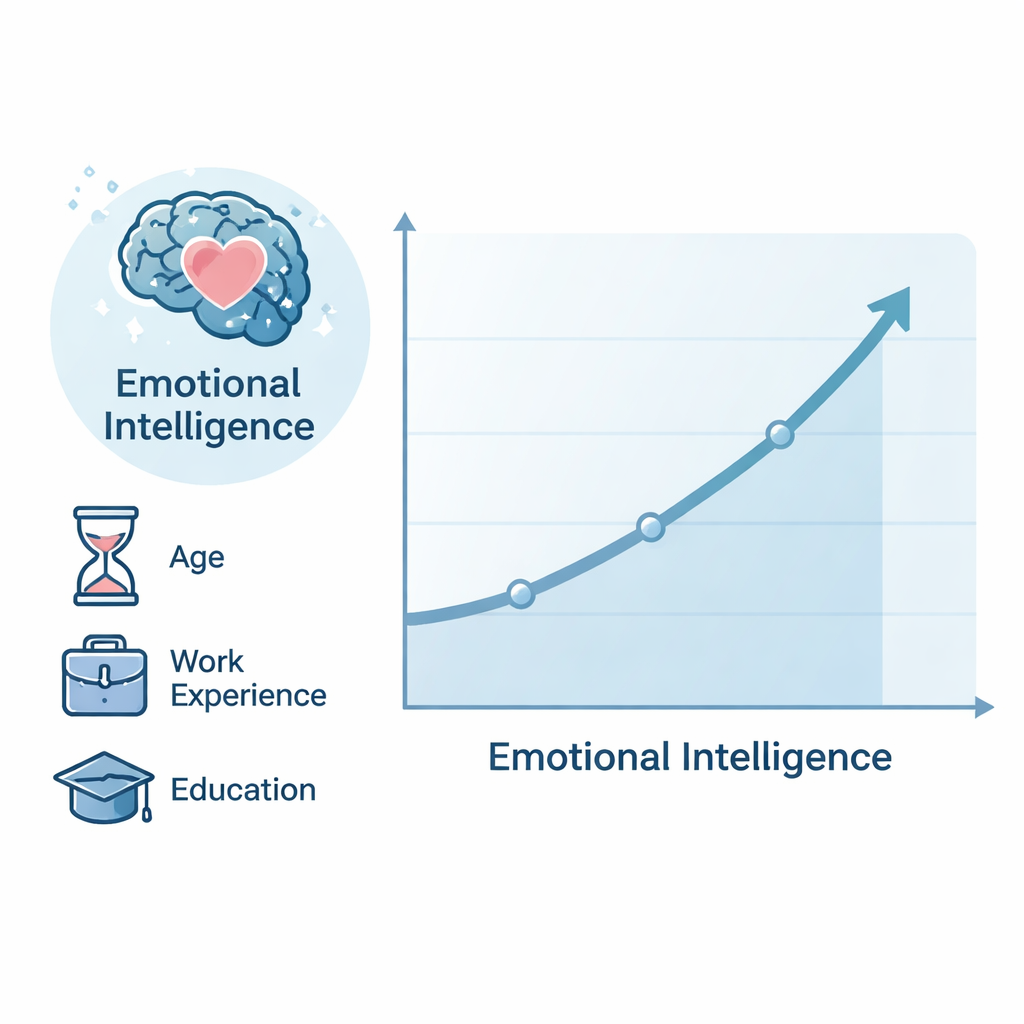
When the researchers dug deeper, they compared emotional intelligence with other possible influences on performance, such as age and years of experience. Although older and more experienced midwives initially appeared to perform better, these factors lost their predictive power once emotional intelligence was taken into account. In the final analysis, emotional intelligence stood out as the only meaningful predictor of job performance, explaining about one-third of the differences between midwives. Education level and work shifts, such as permanent day work versus rotating shifts, did not significantly affect performance in this group.
What This Means for Mothers, Babies, and Midwives
For a non-specialist, the message is clear: in maternity care, how midwives understand and handle emotions is not just a “nice extra”—it is a core part of doing the job well. The authors argue that training programs and hospital policies should deliberately nurture emotional skills through workshops, reflective discussions, and mentoring, rather than focusing only on technical procedures. While this study cannot prove cause and effect and relies on self-reported data from a single country, it offers strong evidence that emotionally capable midwives are better equipped to provide safe, compassionate, and efficient care. In settings where every decision can shape the health and memories of mothers and newborns, investing in emotional intelligence may be one of the most practical ways to improve outcomes for families and support the well-being of the midwives who care for them.
Citation: Eqtait, F., Ayed, A., Anabtawi, R. et al. The relationship between emotional intelligence and work performance among palestinians’ midwives in obstetrics and gynecology departments. Sci Rep 16, 5132 (2026). https://doi.org/10.1038/s41598-026-35463-z
Keywords: emotional intelligence, midwives, job performance, maternal health, Palestine