Clear Sky Science · en
Assessment of content quality and reliability of short videos regarding myocardial infarction on TikTok and BiliBili: a cross-sectional study
Why online heart attack videos matter
When someone is having a heart attack, every minute can save or cost heart muscle and, ultimately, a life. More and more people now turn to short videos on apps like TikTok and BiliBili to learn about health problems, including heart attacks. This study asked a simple but crucial question: are these quick clips actually giving viewers the clear, trustworthy guidance they need when facing such a dangerous emergency? 
What the researchers set out to learn
A team in China systematically searched TikTok and BiliBili in August 2025 using the medical term for heart attack, “myocardial infarction.” They collected the top 100 most relevant videos from each platform, then removed duplicates, off-topic clips, teaching lectures, and self-promotional content. That left 171 videos for detailed analysis. The team recorded how long each video was, how many likes, comments, saves, and shares it received, and who posted it—cardiologists, other health professionals, patients, news outlets, or independent science communicators. They then rated each video’s overall quality, trustworthiness, ease of understanding, and how completely it covered key topics such as symptoms, risk factors, tests, treatment, and long‑term outlook.
How TikTok and BiliBili compared
The two platforms turned out to have very different strengths. TikTok videos were shorter but far more popular: they drew many more likes, comments, saves, and shares than BiliBili videos. On average, TikTok clips scored higher for overall quality and reliability, meaning they tended to be clearer and better supported by medical evidence. BiliBili videos, by contrast, were longer and covered more of the necessary ground, especially when it came to giving a fuller picture of the disease. In other words, TikTok was better at grabbing attention with reasonably solid information, while BiliBili did a better job of telling the whole story—but often to a smaller audience. 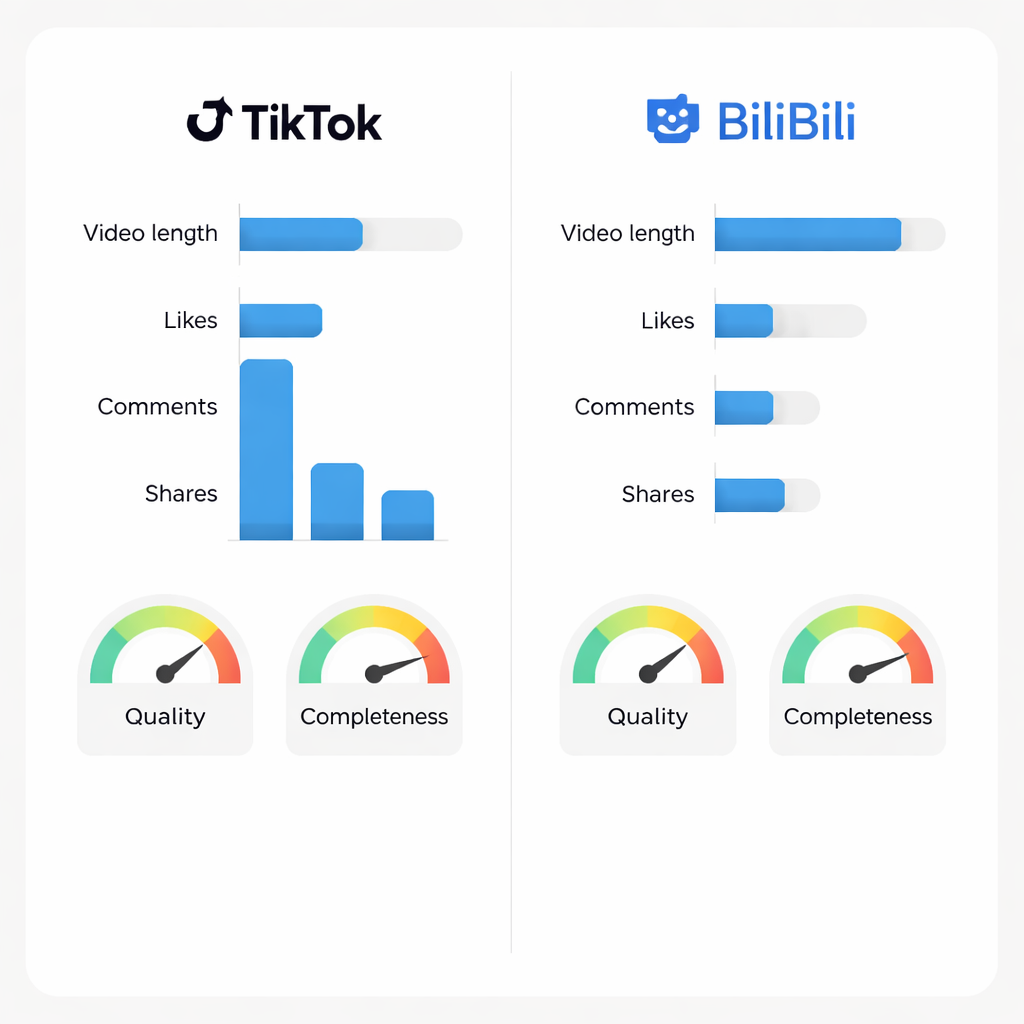
Who makes the best videos
Across both platforms, professional creators mattered. About two‑thirds of all videos were posted by health professionals, and their clips attracted more interaction and higher ratings than those from non‑professionals such as patients, news media, or independent communicators. Cardiologists in particular stood out on BiliBili: their videos received more comments, saves, and shares, and scored highest on how completely they covered important medical points. Still, even professional videos often did not fully meet high standards for citing sources, explaining pros and cons of treatments, or turning medical advice into simple, step‑by‑step actions viewers could follow.
What viewers are and aren’t being told
The study found a striking imbalance in what information is actually reaching the public. Most videos talked about how to recognize a heart attack—especially classic chest pain and other symptoms—and how doctors diagnose it. But many gave only brief or partial explanations, and large gaps appeared when it came to risk factors, medical tests, treatment plans, and what happens after the emergency is over. More than half of all videos barely discussed how heart attacks are managed in the hospital or how patients should care for themselves afterward. Almost two‑thirds said nothing about long‑term outcomes, such as the risk of heart failure. Treatment suggestions, when present, were uneven: TikTok clips often emphasized procedures and quick‑acting drugs, while BiliBili videos more often mentioned standard long‑term medicines, such as blood thinners and cholesterol‑lowering drugs.
What it means for everyday people
For someone scrolling on their phone, these findings carry a clear message. Short‑video apps can be a useful first step in learning to recognize a heart attack and understanding that time is critical. But the information is usually incomplete and not always transparent about where it comes from. Relying on these clips alone could leave patients unprepared for what to do next or for the lifelong care needed after a heart attack. The authors argue that social media companies, medical professionals, and health authorities should work together to set quality standards, highlight well‑checked content, and encourage more cardiologists and trusted institutions to create accessible videos. Until then, viewers should treat these clips as a starting point, not a final guide—and always confirm specific medical advice with a qualified healthcare professional.
Citation: Jiang, L., Wang, S., Liu, X. et al. Assessment of content quality and reliability of short videos regarding myocardial infarction on TikTok and BiliBili: a cross-sectional study. Sci Rep 16, 5053 (2026). https://doi.org/10.1038/s41598-026-35441-5
Keywords: myocardial infarction, TikTok, BiliBili, health misinformation, short health videos