Clear Sky Science · en
Patient empowerment outcomes in chronic disease care in Lebanon with validation of a measurement scale and associated determinants
Why taking charge of long-term illness matters
For millions of people, living with a long‑term illness means daily decisions about medicines, food, exercise, and doctor visits. In Lebanon, where chronic diseases like heart disease and diabetes are widespread and the health system is under severe economic strain, these choices can be especially daunting. This study asks a simple but powerful question: when patients feel more in control of their care—more “empowered”—do they cope better with chronic disease, and what helps them reach that state?
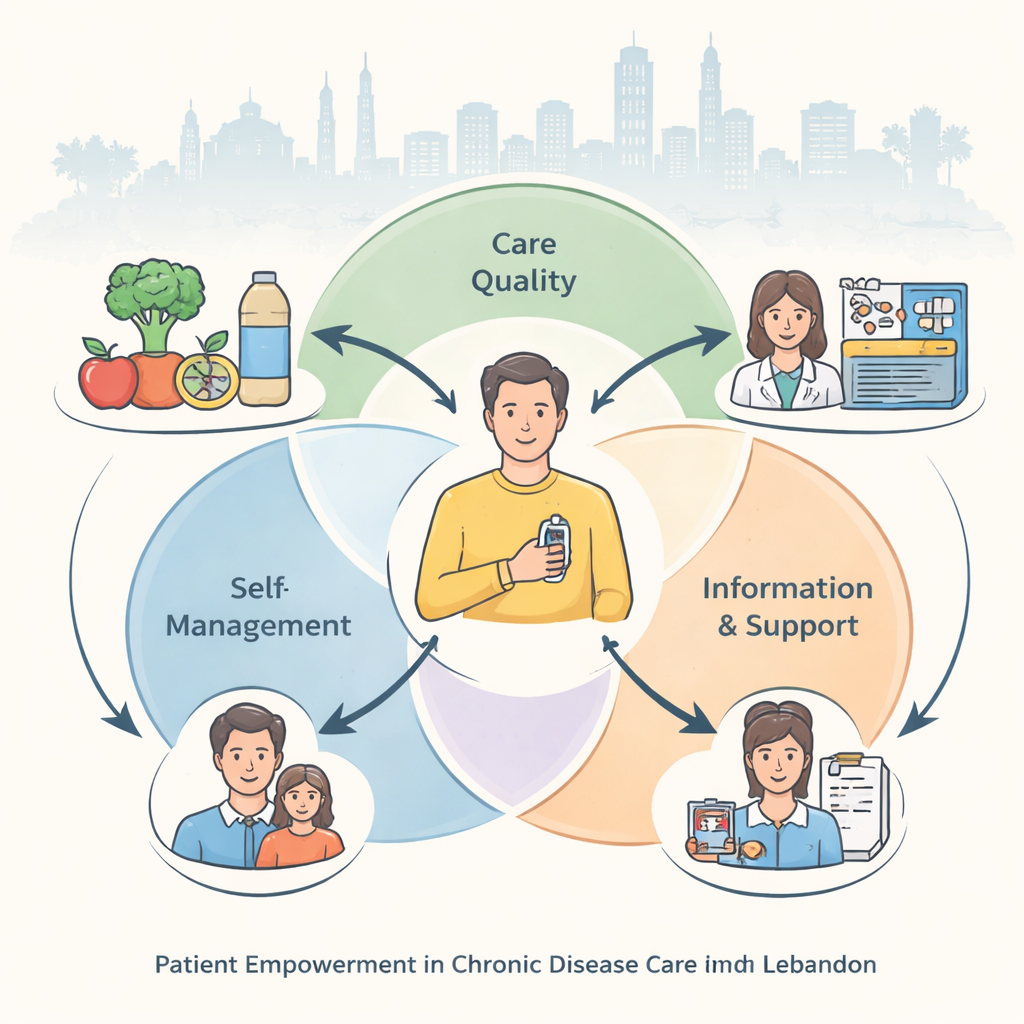
Lebanon’s health pressures behind the research
Non‑communicable diseases such as cardiovascular disease, diabetes, cancer, and chronic lung disease cause the vast majority of deaths in Lebanon. At the same time, political and economic crises have led to shortages of essential medicines and rising healthcare costs, making routine care difficult for many families. While “patient empowerment” is widely promoted in wealthier countries as a way to improve chronic disease management, Lebanon has lacked a simple, culturally adapted way to measure how empowered its patients actually feel. Without that, it is hard for policymakers and clinicians to know whether their efforts to involve patients in decisions and support self‑care are really working.
Building a simple score for patient confidence
The researchers surveyed 640 adults with at least one chronic condition, recruited through community pharmacies across all major regions of Lebanon. Participants answered questions about their age, income, education, number of illnesses and medicines, lifestyle habits, and beliefs about their future health. They also completed several short questionnaires that captured how they experienced their care: whether doctors listened and involved them in decisions, how well their chronic care was organized, and how confident they felt managing their health after a consultation. From these, the team created a new five‑question Patient Empowerment Outcomes (PEO) scale. It asks how confident people feel doing the everyday tasks needed to manage their condition, judging when to seek help, and limiting the impact of illness on daily life. Statistical tests showed the new scale was reliable and measured a single, clear idea: a person’s sense of control and capability in managing chronic disease.
What helps patients feel in control
Analysis of the survey revealed a cluster of factors linked to stronger empowerment. Older adults tended to report higher PEO scores, likely reflecting years of experience navigating illness and the health system. People who engaged in healthier habits—such as eating at least five portions of fruits and vegetables on most days—also felt more in charge of their health. Crucially, the way care was delivered mattered a great deal. Patients who rated their doctors highly for listening, giving enough time, explaining treatments, and involving them in decisions reported markedly higher empowerment. Those who left consultations feeling better able to understand and manage their illness also scored higher on the PEO scale.
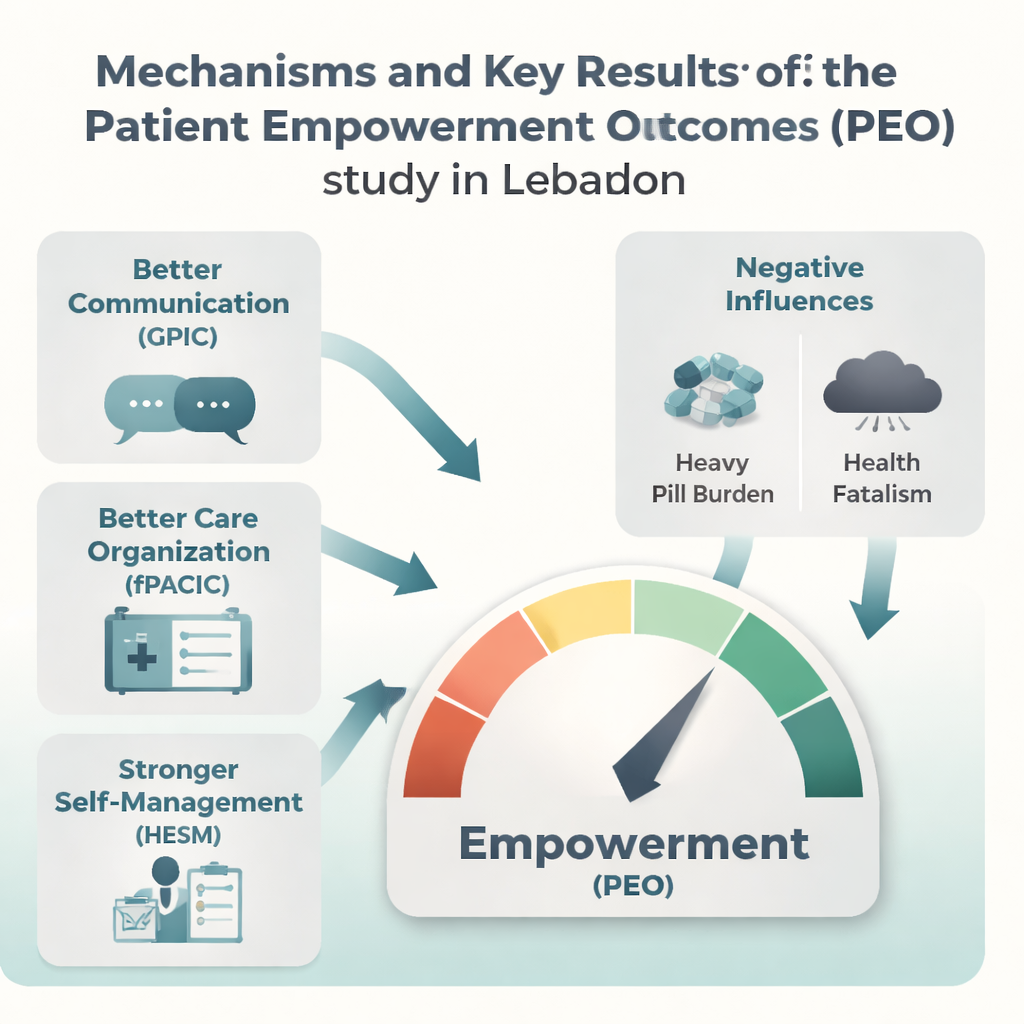
What holds empowerment back
Not all influences were positive. Patients taking many medicines tended to feel less empowered, suggesting that complex treatment plans can leave people overwhelmed and dependent rather than confident. A strong sense of “health fatalism”—believing that new or worse illnesses are almost inevitable—was also tied to lower empowerment. Where people got their information mattered too: individuals who deliberately checked their healthcare providers’ qualifications and knew that formal treatment guidelines existed for their condition were more empowered. By contrast, relying mainly on general media sources for health information, or not having specialist input, was linked with lower scores, hinting at the risks of confusing or poor‑quality information in a fragile health system.
What this means for patients and policymakers
To a layperson, the study’s message is straightforward: people with chronic diseases manage better when they understand their condition, trust their care team, and feel their actions make a difference. The new PEO scale gives Lebanon a practical tool to track these feelings of control and to see whether changes in clinics, pharmacies, and health policies are truly helping patients. Strengthening communication, simplifying treatment where possible, countering fatalistic beliefs, and giving clear, trustworthy information can all lift empowerment scores. In a country where the health system is under pressure, helping patients become capable partners in their care may be one of the most effective ways to protect long‑term health.
Citation: Safwan, J., Dabbous, M., Saade, F. et al. Patient empowerment outcomes in chronic disease care in Lebanon with validation of a measurement scale and associated determinants. Sci Rep 16, 6988 (2026). https://doi.org/10.1038/s41598-026-35380-1
Keywords: patient empowerment, chronic disease, Lebanon healthcare, self-management, patient-centered care