Clear Sky Science · en
Sesquiterpene lactones in micropropagated Arnica montana shoots after elicitation—insights into metabolite accumulation and transcriptional regulation
Why This Mountain Flower Matters
Arnica montana is a bright yellow mountain flower best known to many people as an ingredient in creams and gels for bruises, sprains, and sore muscles. Its healing reputation comes largely from a group of natural compounds called sesquiterpene lactones, which give arnica its strong anti-inflammatory punch. But wild arnica is under pressure, and its chemistry varies a lot with climate and location, making it hard to guarantee consistent medicinal quality. This study asks a simple question with big practical implications: can we grow arnica in the lab and gently “nudge” it to make more of its most useful compounds in a reliable way?
Growing Medicine in Glass Tubes
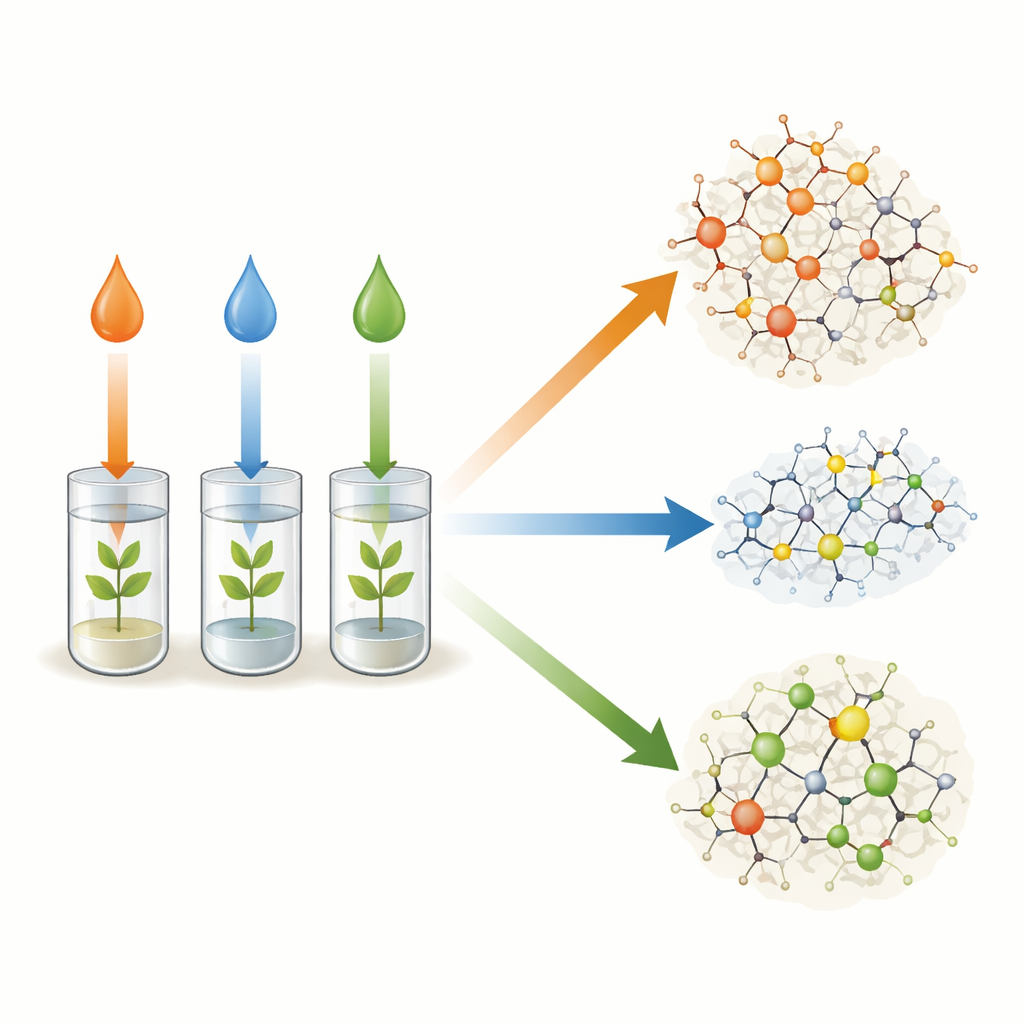
Instead of harvesting arnica from threatened wild meadows, the researchers worked with tiny shoots grown in sterile glass tubes—essentially, miniature plants raised on nutrient gel. This in vitro approach lets scientists control light, temperature, and nutrients, avoiding the unpredictable swings of mountain weather. The team then added three different “elicitors” to the growing medium: yeast extract (a cocktail of biological signals), salicylic acid (a close chemical cousin of aspirin involved in plant immunity), and methyl jasmonate (a plant stress hormone. These compounds do not feed the plants; rather, they act as alarm bells, prompting the shoots to turn on their internal defense chemistry, which often includes the very molecules that make medicinal plants valuable.
Turning Up Arnica’s Active Ingredients
To see how well this strategy worked, the scientists measured a suite of arnica sesquiterpene lactones using high‑performance liquid chromatography, a technique that separates and quantifies individual chemical components. They found that yeast extract and salicylic acid were clear winners. At the best doses, yeast extract boosted total sesquiterpene lactone content by about four and a half times, while salicylic acid tripled it compared with untreated shoots. The most abundant compounds were forms of helenalin and its close relative 11α,13‑dihydrohelenalin, stored as various esters. This pattern matters because helenalin‑rich extracts have been linked to stronger anti‑inflammatory effects, supporting the kind of activity people expect from arnica remedies.
Listening in on the Plant’s Genetic Switches
Chemical measurements tell only part of the story, so the team also examined which genes were switched on when the plants sensed these elicitors. They focused on genes that control the late stages of sesquiterpene lactone formation, including enzymes called germacrene A synthase (GAS) and germacrene A oxidase (GAO). In shoots treated with yeast extract or salicylic acid, GAS and GAO showed strong activation—up to nearly sevenfold—in parallel with the large rise in arnica’s active compounds. Some genes earlier in the pathway, which make general terpene building blocks, changed little or only modestly. This pattern suggests that the plant is not just making more raw material, but is specifically opening the “tap” that directs metabolism toward the desired arnica molecules.
Why One Signal Works Better Than Another
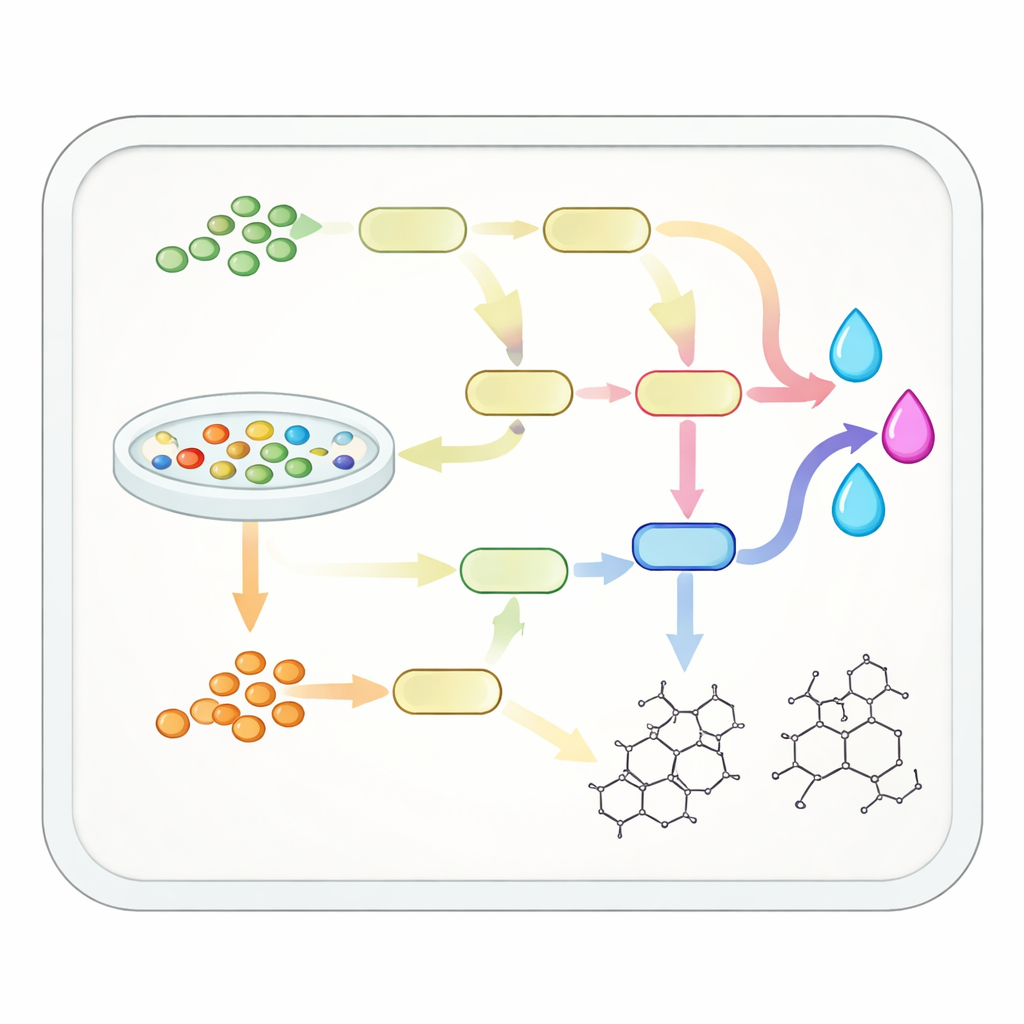
Methyl jasmonate, despite its reputation for stimulating defensive chemistry in other species, behaved differently here. Short exposures caused only small increases in arnica’s sesquiterpene lactones and triggered weaker or inconsistent changes in the key pathway genes. Longer treatments actually harmed the shoots, leading to stunted growth and tissue damage. The authors suggest that in arnica, methyl jasmonate may steer resources into other protective routes, such as phenolic compounds, rather than into sesquiterpene lactones. By contrast, yeast extract, a broad biological signal, and salicylic acid, more closely tied to disease resistance, both funneled the plant’s metabolic energy into helenalin‑type compounds without seriously compromising growth.
From Lab Bench to Better Arnica Products
Taken together, these results show that it is possible to coax lab‑grown arnica shoots to produce much higher and more predictable levels of their main medicinal ingredients by using carefully chosen elicitors. Yeast extract and salicylic acid, at specific concentrations, stand out as practical tools for future biotechnological production systems, such as large‑scale bioreactors. By linking changes in chemical output to changes in specific genes, the study also maps where in the pathway future genetic engineering or breeding efforts might focus. For patients and manufacturers, the long‑term vision is appealing: reliable, high‑quality arnica extracts made without overharvesting wild plants, and with a clearer understanding of how the plant itself builds its healing power.
Citation: Sozoniuk, M., Trendafilova, A., Mishev, K. et al. Sesquiterpene lactones in micropropagated Arnica montana shoots after elicitation—insights into metabolite accumulation and transcriptional regulation. Sci Rep 16, 4875 (2026). https://doi.org/10.1038/s41598-026-35373-0
Keywords: Arnica montana, sesquiterpene lactones, plant cell culture, elicitors, medicinal plants