Clear Sky Science · en
Use of dental photography in pediatric dentistry practice
Why Taking Pictures of Kids’ Teeth Matters
Most parents are used to seeing X-rays or written notes after a child’s dental visit, but fewer realize how powerful a simple photograph can be for care. This study looks at how children’s dentists in Turkey actually use dental photography in everyday practice—how often they take pictures, what tools they use, what gets in the way, and how photos affect children and parents. Understanding these patterns helps explain why your child’s dentist may reach for a phone instead of a big camera, and why better training in photography could lead to clearer diagnoses, stronger communication, and safer handling of your child’s medical images.

Who Was Asked and What They Were Doing
The researcher surveyed 195 pediatric dentists—most of them young female clinicians working in university hospitals. They answered detailed questions about how often they take pictures, why they do it, what equipment they use, and how they store and share images. For many, photography was not a daily habit: about one third used it only a few times a month, and some did not use it at all. Interest in photography as a hobby was low, which may partly explain why cameras and accessories are not yet fully woven into routine children’s dental care.
Phones Over Fancy Cameras
The study found that smartphones dominate children’s dental photography. Nearly four out of five dentists used their phones rather than more complex cameras, and most relied on natural light instead of special flashes or advanced lighting tricks. Extra lenses and contrast aids that can sharpen details were rarely used, especially by women. Dentists most often took close-up shots of the specific problem area, such as a broken tooth or cavity, instead of complete smile or profile series. While this quick, phone-based approach is convenient in a busy clinic, it may limit the detail and consistency that high-quality documentation can provide.
Helping in Emergencies but Hard to Use with Kids
Dental photography was used most in trauma situations—when a child has a fall or sports injury that damages the teeth. Standardized pictures are extremely valuable for diagnosing the injury, planning treatment, and checking healing over time, and university hospitals reported the highest use for these cases. Yet photographing children is not easy. Dentists pointed to small mouths, strong gag reflexes, discomfort, and trouble getting kids to sit still as major obstacles. Many relied on parents or staff to help position the child. Despite these hurdles, dentists felt that taking pictures usually did not upset children, and nearly half saw no major change in behavior during visits.
Stronger Conversations and New Privacy Questions
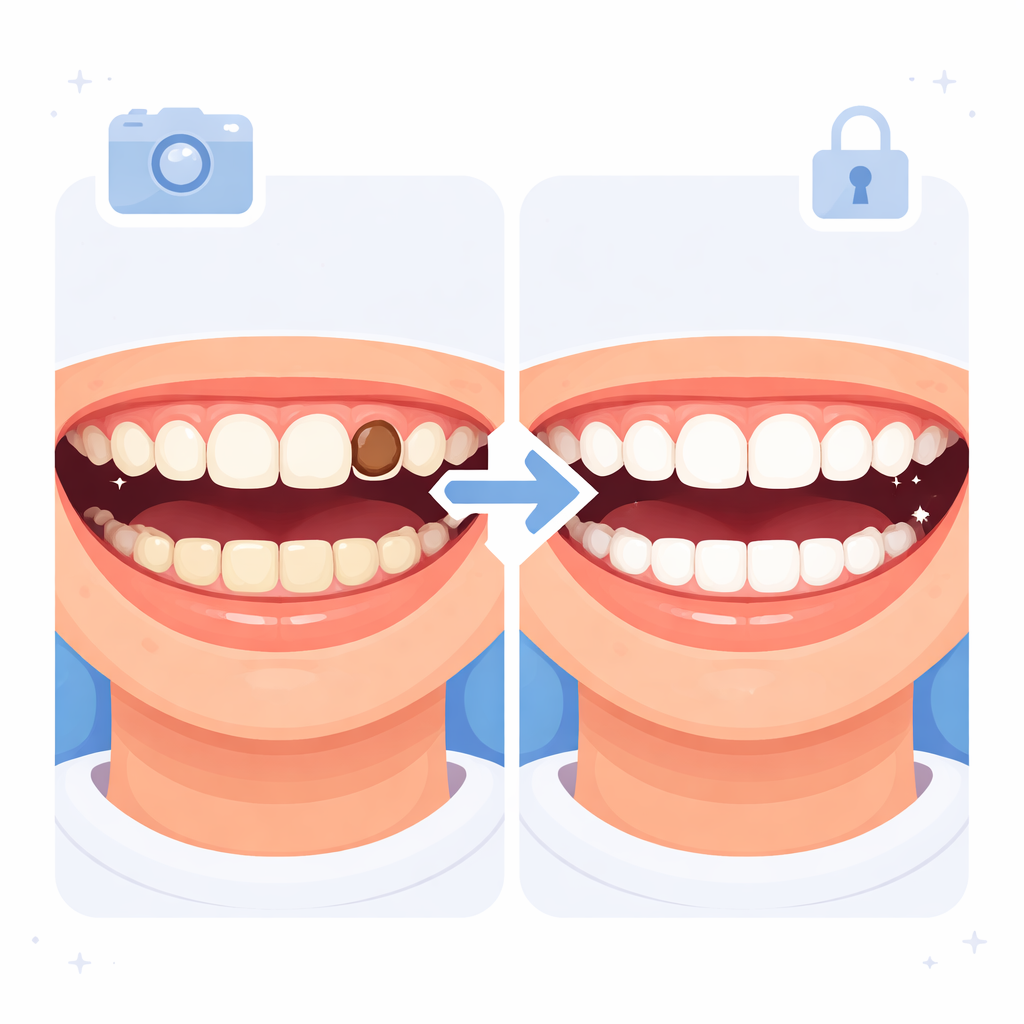
Where photography really shone was in conversations with parents. Almost two thirds of dentists said that photos improved communication, making it easier to show what was wrong and how treatment helped. At the same time, the study uncovered worrisome habits: most images were stored on personal smartphones and often shared through regular apps or personal email. Just over half of the dentists said they knew the rules around privacy and data protection, and written or verbal consent from parents was not always obtained, even though parental objections were rare. Awareness of privacy was higher among more experienced and academic dentists, suggesting that learning and years of practice sharpen ethical caution.
Why Training Could Change Everyday Care
Despite limited formal training—about 70 percent of dentists had never taken a dedicated course—nearly all believed that learning more about dental photography would improve their work, and most felt it should become a routine part of children’s dentistry. The author argues that structured education could teach dentists how to use better equipment, handle children more comfortably during imaging, and protect photo data responsibly. For families, this would mean clearer visual explanations, better records in emergencies, and safer handling of sensitive images. In short, with the right skills and safeguards, a simple picture of your child’s teeth can become a powerful tool for better, more transparent dental care.
Citation: Sahin, M. Use of dental photography in pediatric dentistry practice. Sci Rep 16, 5054 (2026). https://doi.org/10.1038/s41598-026-35305-y
Keywords: dental photography, pediatric dentistry, smartphone imaging, patient communication, medical privacy