Clear Sky Science · en
Tailored minimum examined lymph node threshold for colon cancer from large multi database analysis
Why Counting Matters in Cancer Surgery
When someone has surgery for colon cancer, doctors remove not only the tumor but also nearby "filters" called lymph nodes, which can trap wandering cancer cells. How many of these nodes should be examined under the microscope to give patients the best chance of long-term survival has been debated for years. This study uses data from more than 130,000 people in the United States and China to ask a simple but important question: do we need to look at more lymph nodes than current guidelines suggest, and should that target depend on the individual patient?

A Closer Look at Cancer Checkpoints
Lymph nodes act like checkpoints in the body’s drainage system, catching cells—including cancer cells—that travel away from the original tumor. During colon cancer surgery, surgeons remove a section of the bowel along with nearby nodes, and pathologists then count and examine them. For years, professional guidelines have said that checking at least 12 nodes is enough for reliable staging, which helps decide whether a patient needs treatments like chemotherapy. But earlier studies were limited in size and did not fully examine how a person’s age, the tumor’s size, or where it sits in the colon might change how many nodes should ideally be checked.
What the Researchers Did
The team combined information from two large sources: a U.S. cancer registry (SEER) and a Chinese multi-hospital registry, together covering patients who had surgery for stage I–III colon cancer between 2010 and 2018. They recorded each person’s age, sex, tumor size and location, cancer stage, and the number of lymph nodes removed and examined. Using statistical models, they asked which patient features were linked to higher or lower lymph node counts. Then they grouped patients into eight categories based on three simple traits: younger or older than 65, tumor smaller or larger than 5 centimeters, and tumor on the right or left side of the colon. For each group, they calculated the point at which examining more nodes stopped adding extra survival benefit.
Who Needs How Many Nodes Checked?
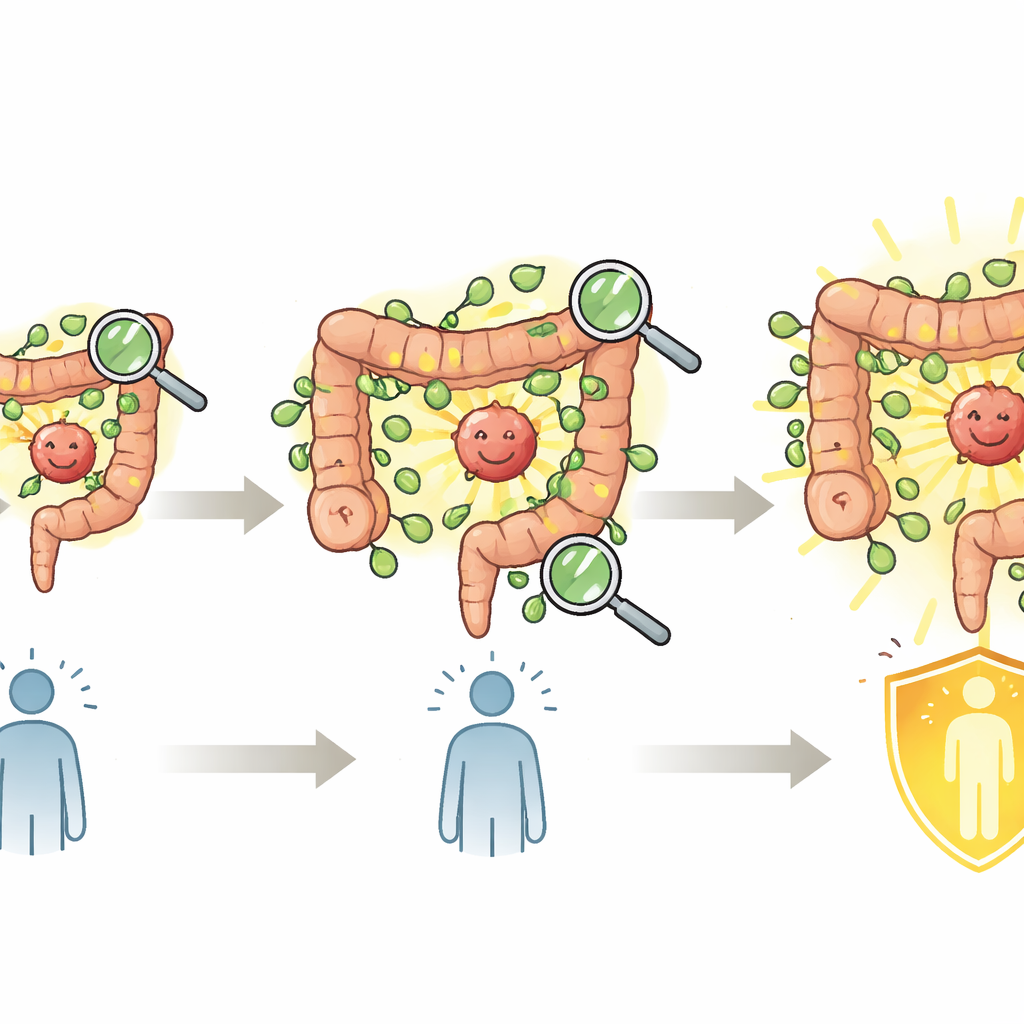
The analysis revealed that age, tumor size, and tumor location strongly influenced how many lymph nodes were typically retrieved. Older patients tended to have fewer nodes examined, whereas those with larger tumors or tumors on the right side of the colon usually had more. Yet, across all eight patient groups, a consistent pattern emerged: the best long-term survival was seen when at least 14 to 17 lymph nodes were examined—higher than the long-standing minimum of 12. Below these group-specific cutoffs, each additional node examined was linked to a clear drop in the risk of death; beyond them, the benefit leveled off. Importantly, this pattern appeared in both the U.S. and Chinese datasets, suggesting the findings are robust across very different health systems.
Improving Care Without High-Tech Tools
These results have practical implications for hospitals and surgeons worldwide. In many places, the fine details of surgical technique and tissue processing are not routinely captured in medical records, but counting lymph nodes is simple and widely feasible. The study suggests that aiming for a higher, tailored minimum—around 14 to 17 nodes depending on patient characteristics—could sharpen cancer staging and help more patients receive appropriate follow-up treatment. At the same time, the authors note that node counts are only one piece of quality, which also depends on how precisely the bowel and its supporting tissue are removed and examined.
What This Means for Patients
For someone facing colon cancer surgery, the key message is that thoroughness matters. Examining more lymph nodes gives doctors a clearer picture of whether the cancer has spread and helps them choose the right next steps. This study suggests that the traditional target of 12 nodes may be too low for many patients, and that slightly higher, personalized thresholds—still well within the reach of standard surgery and pathology—are linked to better survival. Future clinical trials will be needed before guidelines officially change, but the overall conclusion is straightforward: careful, generous sampling of lymph nodes, tuned to the patient’s situation, can make a real difference in long-term outcomes.
Citation: Yang, B., Xu, Q., Jiao, S. et al. Tailored minimum examined lymph node threshold for colon cancer from large multi database analysis. Sci Rep 16, 9182 (2026). https://doi.org/10.1038/s41598-026-35171-8
Keywords: colon cancer surgery, lymph node examination, cancer staging, survival outcomes, personalized oncology