Clear Sky Science · en
Prevalence and risk factors of CKD-associated osteoporosis in maintenance hemodialysis patients aged over 50 years: a cross-sectional study
Why this research matters to patients and families
As people live longer with chronic kidney disease and depend on regular dialysis, another, quieter threat can emerge: fragile bones that break easily. This study looks at how common serious bone thinning (osteoporosis) is in older adults on long-term hemodialysis, and which everyday signs—like weaker handgrip or poor nutrition—signal the highest risk. Understanding these links could help patients, families, and clinicians protect independence and prevent life-changing fractures.
Hidden bone trouble in kidney failure
Chronic kidney disease disrupts the body’s delicate balance of minerals and hormones that keep bones strong. By the time people reach the most advanced stage and need regular hemodialysis, their bones are often under attack from many angles: altered calcium and phosphorus levels, hormone changes, and long-standing inflammation. Yet in routine care, attention tends to focus on the dialysis machine and blood tests, while bone health—and the danger of a hip or spine fracture from a minor fall—may be overlooked. 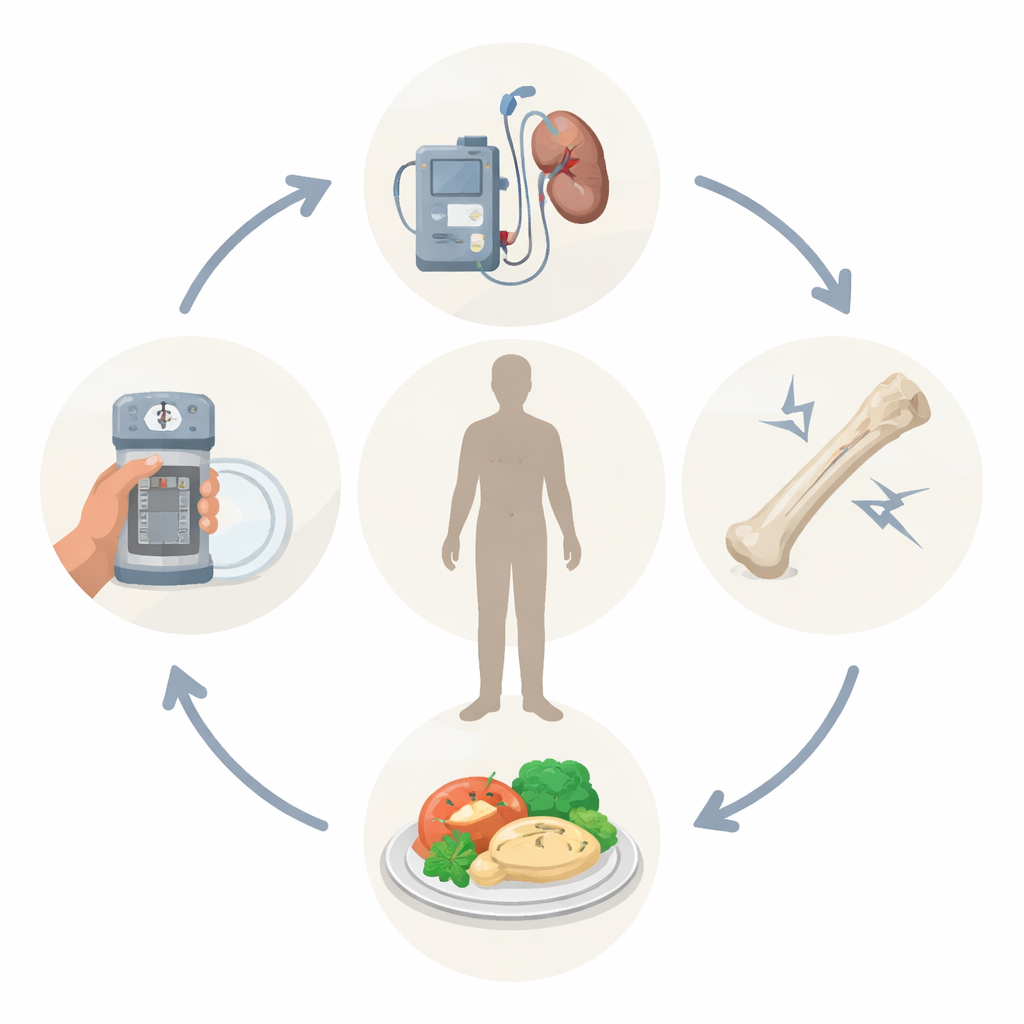
How the study was carried out
Researchers in Hainan, China, examined 258 patients over age 50 who had been on maintenance hemodialysis for at least three months. Everyone underwent a bone density scan of the spine and hip, and doctors also checked for past “fragility fractures” caused by minor injuries. If either the scan showed very low bone density or such a fracture had occurred, the patient was classified as having chronic-kidney-disease–associated osteoporosis. The team also collected detailed information on medical history, dialysis duration, body measurements, blood tests, and a simple but revealing measure: how hard each person could squeeze a handheld dynamometer to test grip strength.
What the researchers discovered
The findings were sobering. More than four in ten participants—42.3 percent—had osteoporosis related to their kidney disease, a higher proportion than usually seen in the general population of the same age. Women were affected far more often than men, reflecting the combined impact of menopause and kidney failure on bone loss. Compared with those without osteoporosis, affected patients tended to be slightly older, thinner, and have less muscle, weaker grip strength, and lower levels of blood proteins linked to good nutrition. Many had already suffered fractures of ribs, leg bones, or the collarbone after relatively minor trauma.
Key warning signs: sex, strength, and nutrition
To sort out which factors truly stood out when considered together, the team used advanced statistical methods. Three clear, independent signals emerged. Being female roughly tripled the odds of having osteoporosis compared with being male. Each small drop in grip strength was tied to a higher likelihood of fragile bones, highlighting how closely muscle and bone health travel together. And lower levels of albumin—a major blood protein that reflects nutritional status and inflammation—were also linked to greater risk. In contrast, some classic blood markers in kidney disease, such as phosphate and parathyroid hormone, were less helpful for distinguishing who had already developed significant bone loss in this group. 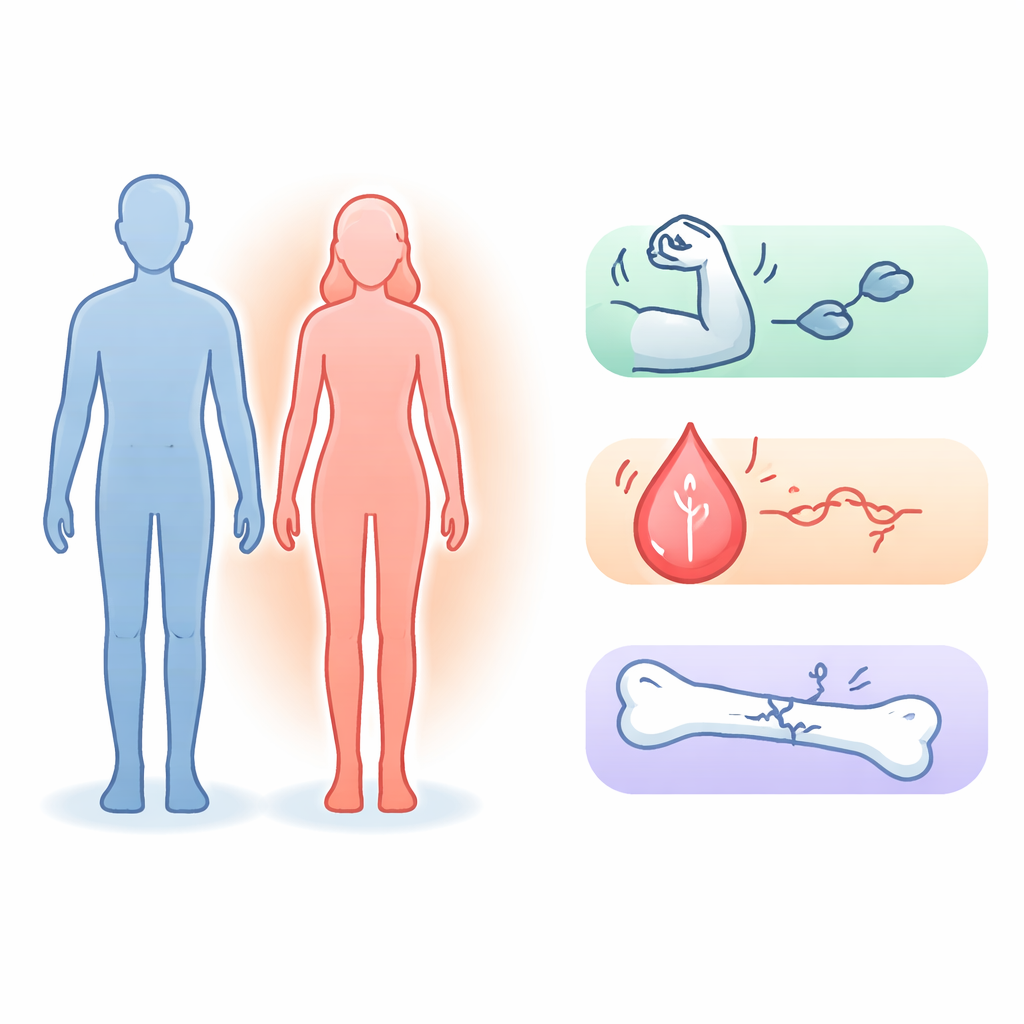
What this means for care and daily life
For patients and their care teams, the study sends a practical message: serious bone loss is common in older adults on hemodialysis, especially women with weak handgrip and signs of poor nutrition, but it is not inevitable. Regular bone density testing, simple strength checks with a handgrip device, and close attention to protein intake and overall diet could flag people who need extra protection. Adding muscle-strengthening exercises and tailored nutritional support to standard kidney care may help preserve both bones and mobility, reducing fractures and improving quality of life for those living with long-term dialysis.
Citation: Bai, Y., Lin, Y., An, N. et al. Prevalence and risk factors of CKD-associated osteoporosis in maintenance hemodialysis patients aged over 50 years: a cross-sectional study. Sci Rep 16, 4908 (2026). https://doi.org/10.1038/s41598-026-35136-x
Keywords: chronic kidney disease, hemodialysis, osteoporosis, grip strength, nutrition