Clear Sky Science · en
Experiencing awe in daily life is linked to lower loneliness
Why Wonder Matters More Than We Think
Feeling lonely is not just unpleasant; it can quietly wear down both mind and body. This is especially true for healthcare workers, who often carry the emotional weight of caring for others while having little time to care for themselves. This study asks a surprisingly hopeful question: can brief moments of awe in everyday life—such as watching a sunset, listening to moving music, or noticing an act of kindness—help people feel less alone? By tracking people’s feelings day by day during the COVID-19 pandemic, the researchers explored whether awe might serve as a simple, natural buffer against loneliness.
Loneliness Behind the Front Lines
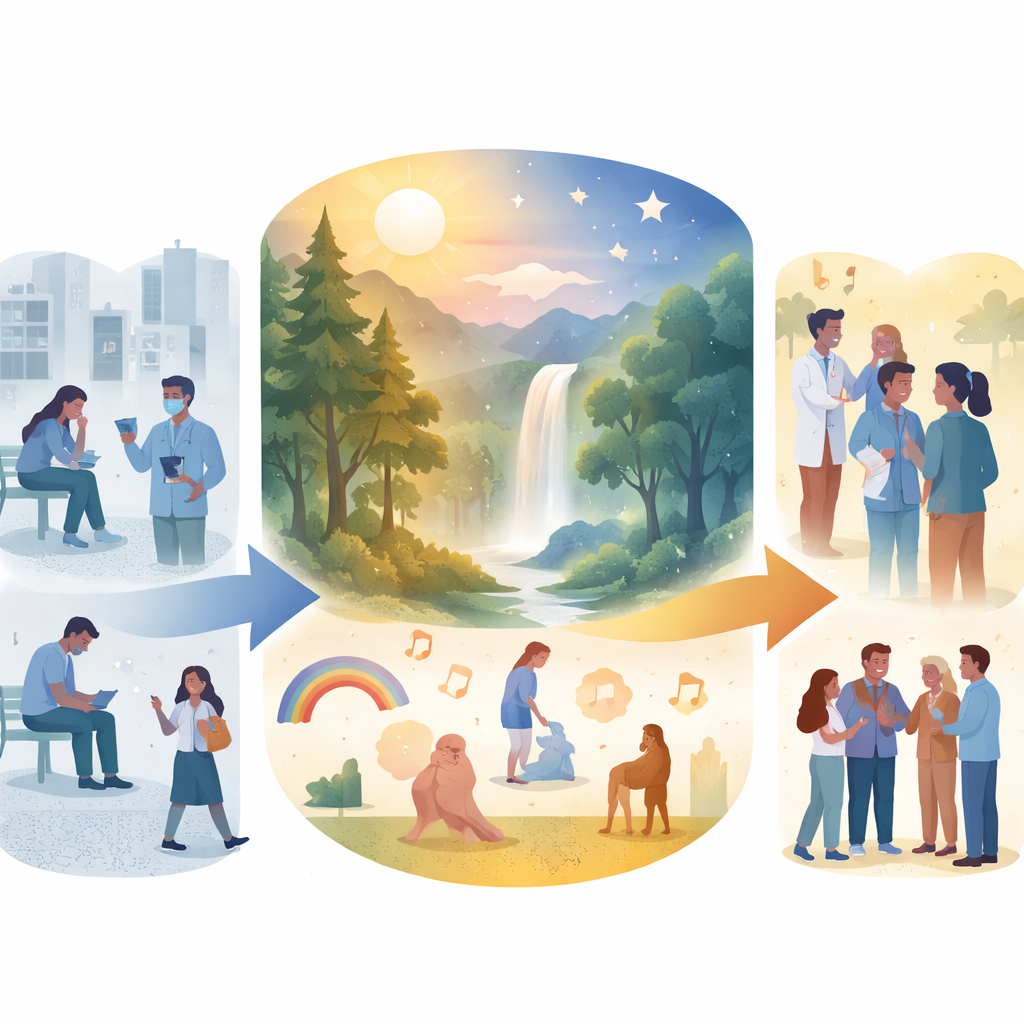
Healthcare workers entered the COVID-19 crisis already under strain from long hours, high-stress decisions, and emotional exhaustion. During the early months of the pandemic, these pressures intensified, and feelings of isolation became widespread. Surveys suggested that more than half of healthcare workers felt lonely, a rate that may exceed that of the general public. Loneliness, the painful sense that one’s social needs are not being met, is linked to depression, anxiety, heart disease, and even early death. Yet, despite its importance, loneliness among healthcare workers has received relatively little scientific attention. The authors set out to fill this gap by focusing on a promising yet understudied emotional resource: awe.
Everyday Awe in Real Lives
Awe is the feeling we get when we encounter something vast or surprising that shifts how we see the world—a starry sky, a powerful piece of music, or a moment of human courage. Unlike many other pleasant emotions, awe tends to turn our attention outward and make our own worries feel smaller. To see how this plays out in daily life, the researchers ran a 22-day diary study during June 2020. They recruited two groups: frontline healthcare workers and a broader community sample from across the United States. Each day, participants spent a few minutes rating how much awe they had felt, how lonely they felt, and how connected they felt to the world around them, especially to nature.
When Awe Rises, Loneliness Falls
Analyzing thousands of daily reports, the team found a consistent pattern in both groups. On days when people felt more awe than usual for them personally, they also reported feeling less lonely that same day. This was not just because they were having a “good day” in general. The link remained even after accounting for other uplifting emotions like gratitude, amusement, and love, as well as people’s overall, longer-term levels of awe and loneliness. In other words, awe seemed to carry a unique benefit: it was specifically tied to day-to-day dips in loneliness, even in the midst of taxing, isolating conditions.
Feeling Part of Something Larger
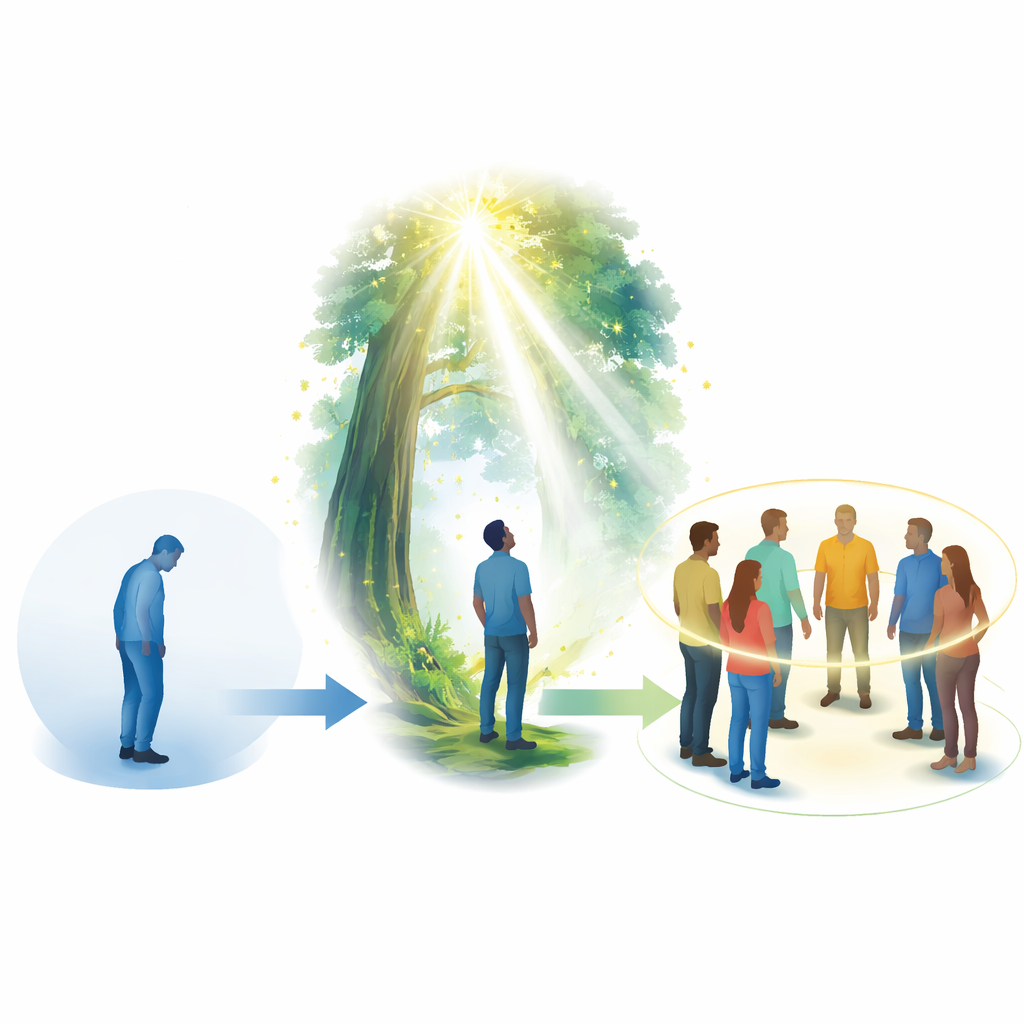
The next question was why awe might ease loneliness. The authors focused on a key feature of awe: the sense of being connected to something bigger than oneself, whether that is nature, humanity, or a shared purpose. The daily diary data showed that on days when people felt more awe, they also felt more connected to their surroundings. In turn, feeling more connected was linked to feeling less lonely. Using statistical models that follow changes within the same person over time, the researchers showed that this sense of connectedness partly explained how awe and loneliness were related. Even small moments—such as a brief pause to notice a tree or a beautiful sky—could nudge people toward feeling more a part of the wider world, which then softened the sting of loneliness.
What This Means for Everyday Life
This research suggests that awe is not just a rare, life-changing experience; it can also arise in brief daily encounters and quietly support mental health. For healthcare workers and members of the public alike, deliberately making room for awe—by stepping outside for a short walk, paying close attention to music or art, or savoring ordinary moments of beauty and kindness—may help people feel less alone. While the study cannot prove cause and effect, and future controlled experiments are needed, the findings point to a simple, accessible tool for easing loneliness: inviting more wonder into our everyday lives.
Citation: Ugurlu, Ö., Zerwas, F., Monroy, M. et al. Experiencing awe in daily life is linked to lower loneliness. Sci Rep 16, 8163 (2026). https://doi.org/10.1038/s41598-025-34864-w
Keywords: awe, loneliness, connectedness, healthcare workers, mental health