Clear Sky Science · en
The effects of crocin nanoparticle on trace elements levels in paraquat-induced oxidative stress in rat
Why this study matters
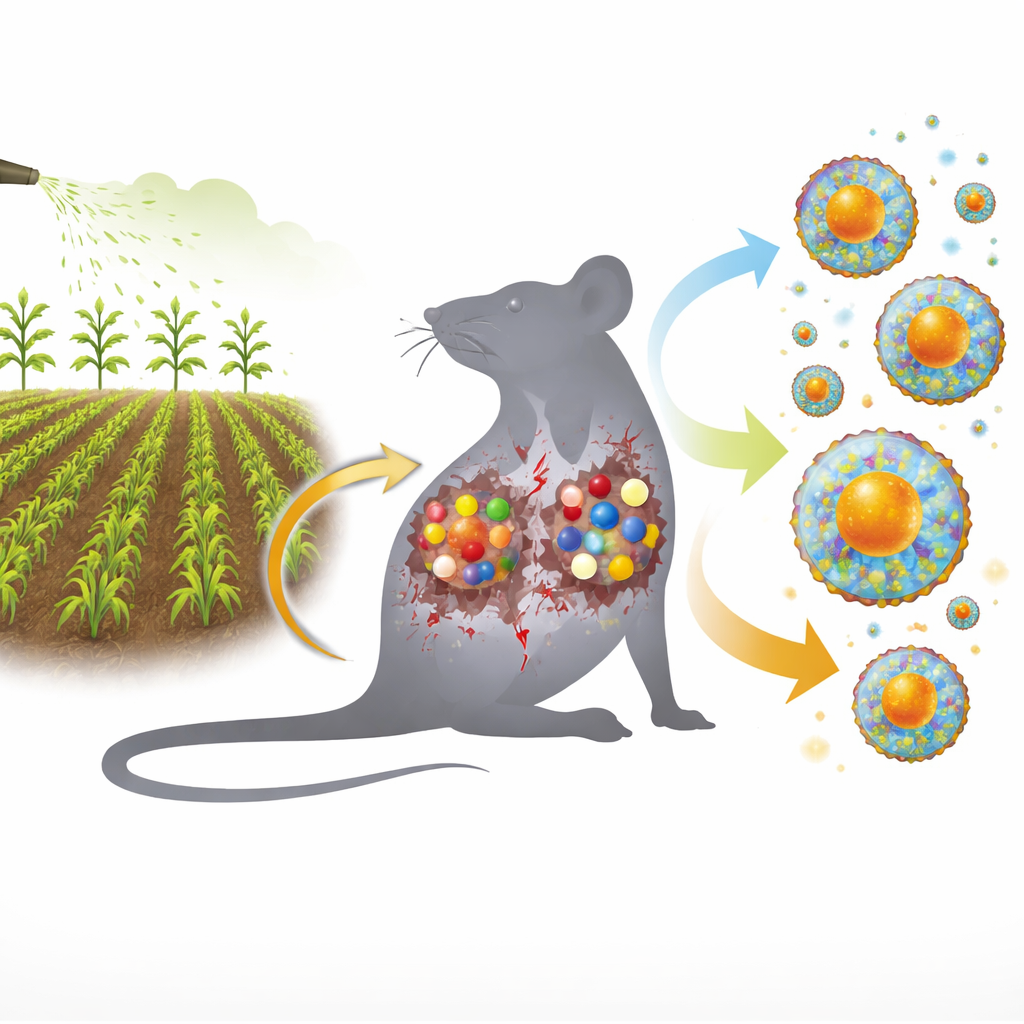
Paraquat is a fast-acting weed killer used on farms worldwide, but even small swallowed doses can be deadly and there is still no true antidote. It poisons the body by unleashing a storm of harmful oxygen-based molecules and disturbing vital minerals in the blood. This study explores whether crocin—a bright orange compound from saffron—can be turned into a tiny, targeted treatment using nanoparticles to better protect the body from paraquat’s damage.
A dangerous weed killer and the body’s defenses
Paraquat harms cells mainly by triggering intense “rust-like” reactions known as oxidative stress. During this process, unstable molecules attack cell membranes, proteins, and DNA. At the same time, paraquat disrupts the balance of trace elements such as iron, copper, zinc, calcium, and magnesium. Although needed only in tiny amounts, these metals help run the body’s natural antioxidant systems. If their levels shift too high or too low, the body’s defenses weaken just when they are needed most, worsening the injury from poisoning.
A saffron pigment with promise
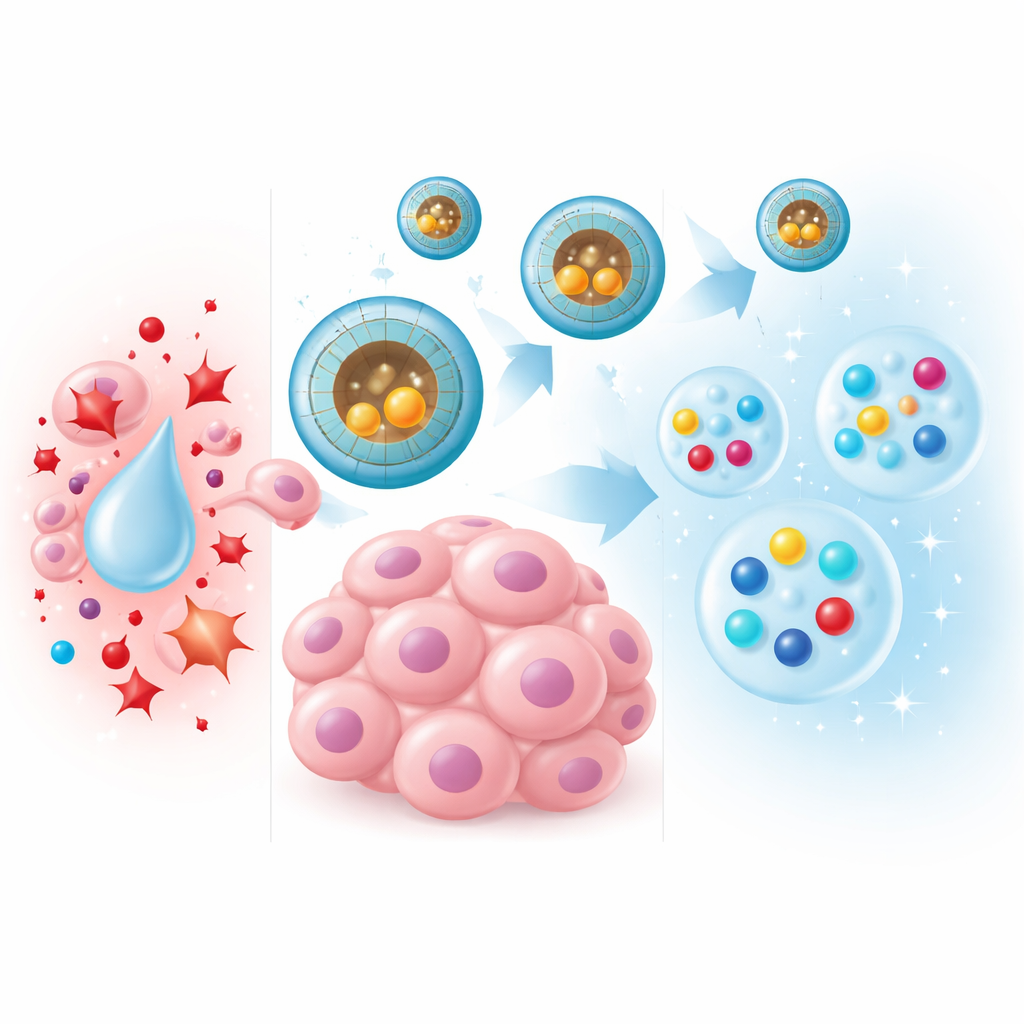
Crocin, the pigment that gives saffron its deep color, is known for strong antioxidant and anti-inflammatory effects. It can neutralize harmful molecules and support the body’s own protective enzymes. However, crocin is unstable in the body and is cleared quickly, limiting its usefulness as a medicine. To overcome this, the researchers packaged crocin inside tiny fat-like bubbles called niosomes. These nanoparticles are designed to shield crocin from breakdown and help it enter cells more effectively, potentially turning a fragile natural compound into a practical therapy.
Testing nano-crocin in poisoned rats
The team studied thirty male rats divided into six groups. Some rats received only salt water, some were given paraquat to induce poisoning, and others received crocin, crocin-loaded niosomes, or combinations of paraquat with either form of crocin. After one week, the scientists measured several markers in the blood: overall antioxidant capacity, damage to fats in cell membranes, a group of protective sulfur-containing molecules, and levels of key metals including iron, calcium, copper, zinc, and magnesium. This allowed them to see both how paraquat disrupted the internal environment and how each treatment corrected or worsened those changes.
How nano-crocin changed the blood picture
Paraquat alone caused clear signs of damage: fat molecules in the blood were heavily oxidized, antioxidant defenses were weakened, and the pattern of metals shifted—iron and calcium rose, while copper and zinc fell. Plain crocin helped mainly by reducing fat damage, but it did not fully restore the broader antioxidant balance or metal levels. In contrast, crocin-loaded niosomes not only lowered oxidative damage but also brought several disturbed metals much closer to normal. In paraquat-poisoned rats, nano-crocin corrected the spike in iron and calcium and helped recover copper and zinc levels, while leaving magnesium largely unchanged. Interestingly, in healthy rats, the nano-form slightly altered one antioxidant marker, hinting that very potent formulations may need careful dosing.
What this could mean for people
To a non-specialist, the key message is that packaging a natural antioxidant from saffron into tiny delivery capsules made it far more effective at calming paraquat’s chemical chaos in the bloodstream. The nano-form of crocin blunted both the surge of damaging molecules and the dangerous swings in essential metals that accompany paraquat poisoning. While this work was done in rats and focused on blood markers rather than direct clinical outcomes, it lays a foundation for developing nano-based treatments that could one day support existing care for paraquat poisoning and possibly other toxic or oxidative injuries.
Citation: Abbasifard, A., Bahramibanan, F., Karbasi, A. et al. The effects of crocin nanoparticle on trace elements levels in paraquat-induced oxidative stress in rat. Sci Rep 16, 7962 (2026). https://doi.org/10.1038/s41598-025-34662-4
Keywords: paraquat poisoning, crocin, nanoparticles, oxidative stress, trace elements