Clear Sky Science · en
Evaluating the effectiveness and safety of Azvudine for hospitalised patients with COVID-19 and hypertension: a multicenter retrospective cohort study
Why this study matters to everyday people
People with high blood pressure have faced extra danger from COVID-19 since the start of the pandemic. Many have asked a simple question: is there a treatment that can lower their chances of dying if they end up in the hospital with COVID-19? This study looks at Azvudine, a new antiviral pill used in China, to see whether it helps hospitalized COVID-19 patients who also have hypertension, and whether it is safe for them.
Looking at real patients in crowded hospitals
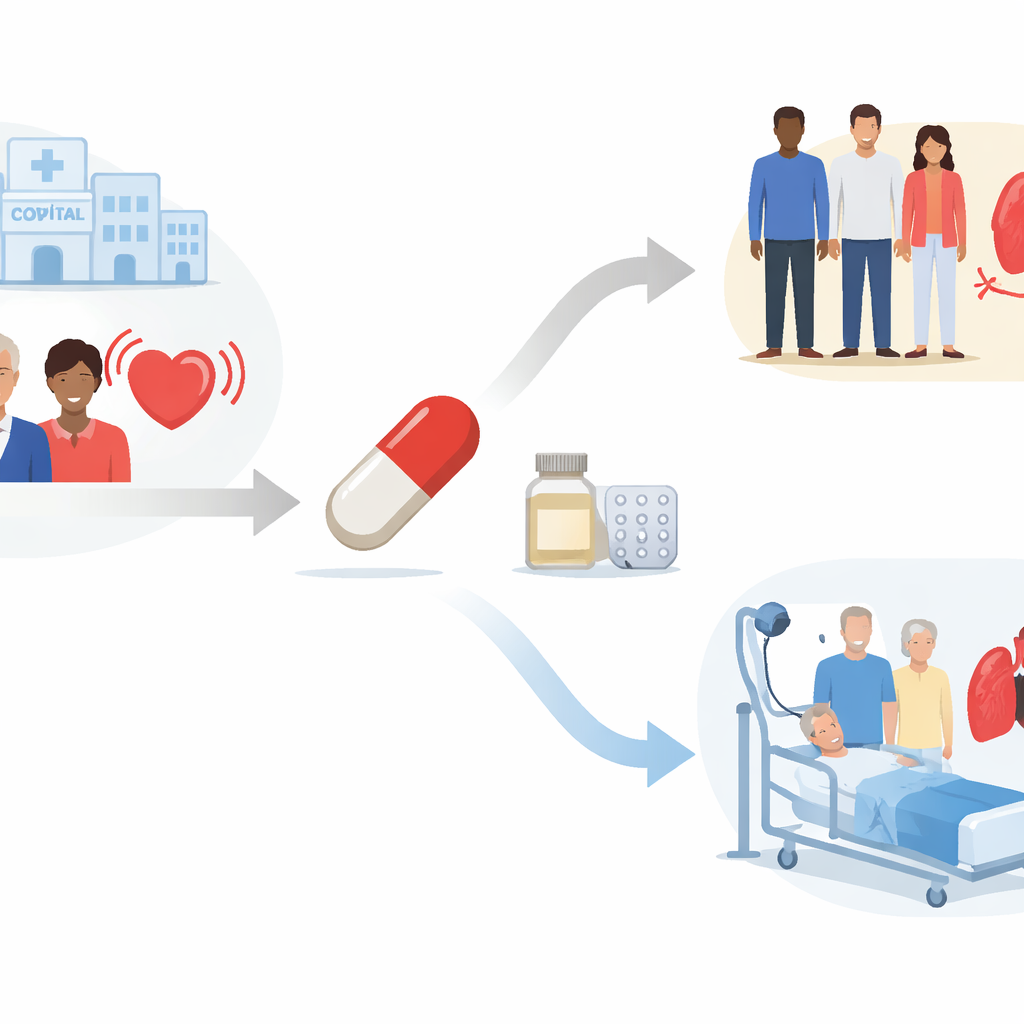
The researchers did not run a traditional experiment where patients are randomly assigned treatments. Instead, they examined medical records from nine hospitals in Henan Province, China, during the large wave that followed the easing of COVID-19 restrictions in late 2022. Out of more than 32,000 hospitalized COVID-19 patients, over 11,000 had high blood pressure. Some of these patients were given Azvudine along with standard medical care, while others received standard care alone without any antiviral drugs. By using statistical techniques to “match” similar patients across groups, the team created two large, comparable groups of 2,434 people each.
Comparing chances of survival and getting worse
The scientists focused on two main outcomes over about 30 days in the hospital. The first was all-cause death: whether a patient died from any reason during the follow-up period. The second was whether a patient’s condition worsened noticeably, such as moving from mild or moderate illness to severe or critical illness, or from severe illness to critical status or death. After carefully balancing the two groups for age, disease severity, other illnesses, and lab tests, the researchers found that patients who took Azvudine were less likely to die than those who did not receive an antiviral. About 7.6% of patients in the Azvudine group died, compared with 8.8% in the control group, and detailed time-to-event analyses showed a clearly lower risk of death among Azvudine users.
Digging deeper into who benefits and how strongly
To test how solid these findings were, the team applied several different statistical approaches, each designed to handle missing data or hidden confounding factors in a slightly different way. No matter which method they used, the result for death was similar: Azvudine use was consistently linked to a meaningful reduction in the risk of dying. The effect on overall disease worsening was more modest and less consistent. In the main analysis, the Azvudine group had a lower rate of progression to severe outcomes, but in some of the more conservative checks this difference shrank and was no longer statistically clear. Subgroup analyses suggested that combining Azvudine with corticosteroid medicines—often used to calm inflammation in severe COVID-19—might offer extra protection, and that women might gain somewhat more benefit than men, although these patterns will need confirmation.
Checking for side effects and safety signals
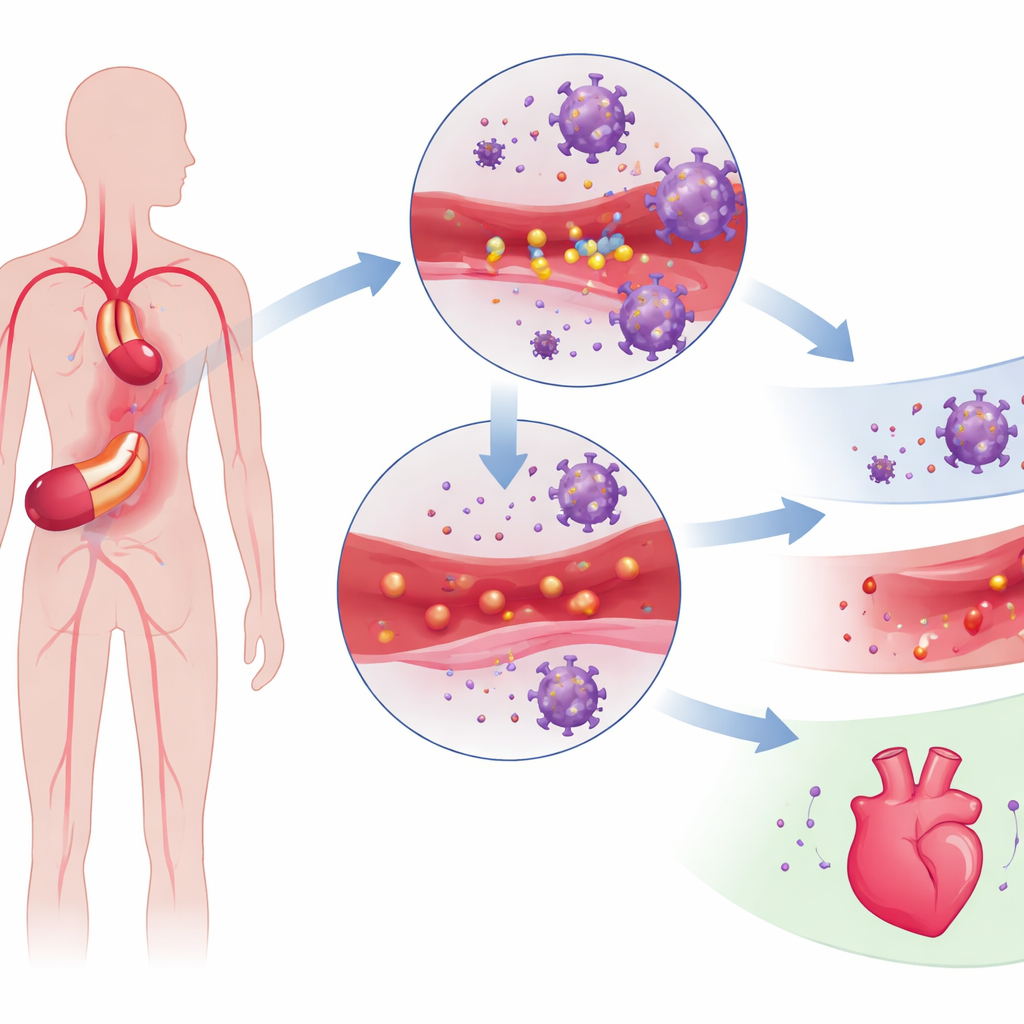
Any new drug must be judged not only on what it helps, but also on what it might harm. The study compared laboratory test results and treatment-related health problems between patients who did and did not take Azvudine. The most frequent side effect linked with Azvudine was anemia, or reduced red blood cell levels, which occurred more often than in the control group. However, serious side effects of grade 3 or higher—which reflect more dangerous changes—were similar between groups. Interestingly, patients on Azvudine showed fewer signs of kidney-related strain, such as elevated creatinine or abnormal blood phosphorus levels, hinting that the drug may be relatively gentle on the kidneys, an important point for many older or high-risk patients.
What this means for patients with high blood pressure
For people hospitalized with COVID-19 who also have hypertension, this large real-world study suggests that Azvudine can lower the chance of death without clearly increasing serious harm. The reduction in risk is meaningful but not dramatic, and many patients would need to be treated for one extra life to be saved. The impact on preventing illness from getting worse is promising but less certain, because it did not hold up in every type of analysis. Overall, the findings support Azvudine as a potentially useful antiviral option for this vulnerable group, especially when started early and monitored with regular blood tests. Still, because this was not a randomized trial and the follow-up was relatively short, carefully designed future studies are needed before Azvudine’s role in standard care for hypertensive COVID-19 patients can be firmly established.
Citation: Chen, Y., Li, H., Ma, Y. et al. Evaluating the effectiveness and safety of Azvudine for hospitalised patients with COVID-19 and hypertension: a multicenter retrospective cohort study. Sci Rep 16, 9627 (2026). https://doi.org/10.1038/s41598-025-34514-1
Keywords: Azvudine, COVID-19 treatment, hypertension, antiviral therapy, hospital outcomes