Clear Sky Science · en
Trace minerals, antioxidant defense, and safe consumption of Nile tilapia: insights from ecological variability in lake Mariout, Egypt
Why this matters for your dinner plate
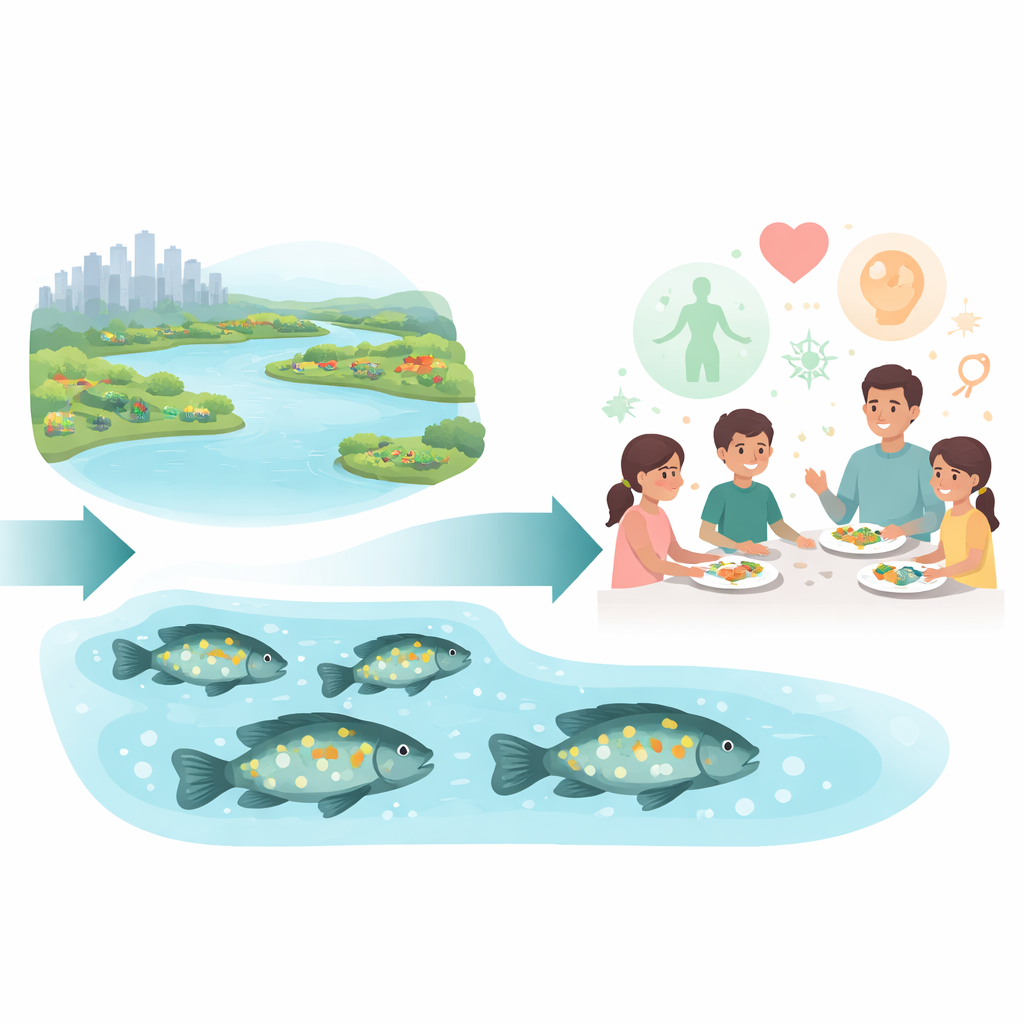
People around the world increasingly rely on farmed and wild fish as an affordable source of high-quality protein and vital minerals. But when a lake has a history of pollution, a simple question arises: is the fish still safe to eat? This study looks at Nile tilapia caught from two restored basins of Lake Mariout, near Alexandria in Egypt, to see how much iron, zinc, copper, and calcium the fish contain, how their bodies cope with these metals, and whether regular consumption poses any health risk for adults and children.
A lake under pressure and in recovery
Lake Mariout is a shallow wetland that has long received wastewater and runoff from nearby cities and farms. To improve conditions, a major cleanup effort began in 2017. The researchers focused on two of the lake’s basins, known as B1 and B2, which have both undergone restoration but differ in water chemistry and pollution history. They collected Nile tilapia, the main fish eaten from the lake, and measured basic water conditions such as temperature, acidity, oxygen, and ammonia. They also analyzed levels of key trace minerals in the water to understand what the fish were exposed to in each basin.
What builds up inside the fish
The team measured iron, calcium, zinc, and copper in the tilapia’s muscle—the part people eat. In both basins, the minerals followed the same pattern: iron was highest, followed by calcium, zinc, and then copper. Fish from basin B2 tended to have slightly more of these metals than those from B1, and copper differed significantly between the basins. Yet, even the highest values stayed below international food safety limits set by organizations such as the FAO and WHO. The scientists also calculated how strongly metals move from water into fish (a bioconcentration factor), finding that calcium and iron were taken up more readily, while zinc and copper were less concentrated in the muscle.
Nutrition and safety for families
Beyond raw concentrations, the study asked what these numbers mean for real-world diets. Using national statistics on typical fish intake and body weights for children, teenagers, and adults, the researchers estimated how much of each metal people would consume from tilapia. They tested different scenarios, from modest portions to large 500-gram servings, and compared the results with international guidelines for weekly and daily tolerable intake. Across all ages and both basins, the calculated risk indices for non-cancer effects stayed below the levels of concern, provided that people ate within recommended maximum daily amounts. At the same time, tilapia contributed useful portions of needed iron, calcium, zinc, and copper, underlining its value as a nutrient-dense food.
How the fish defend themselves
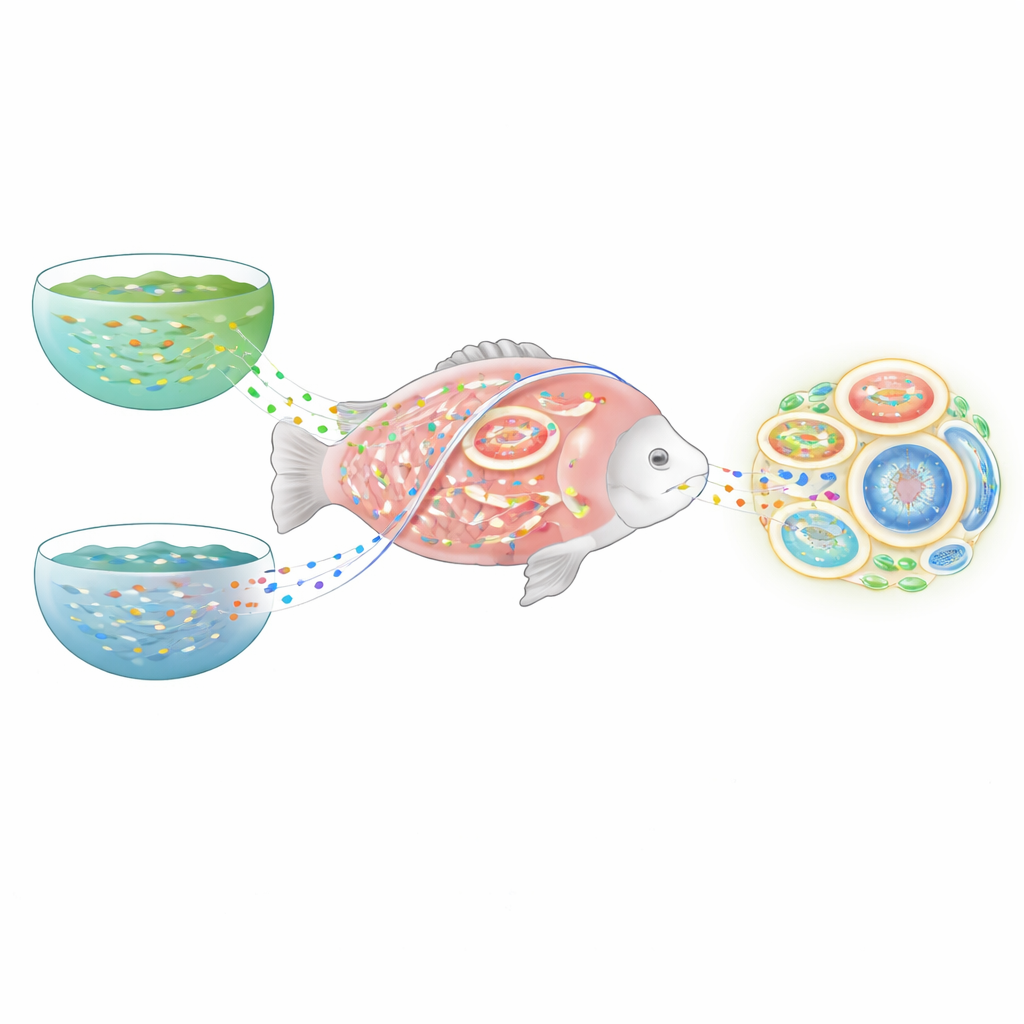
The researchers did not stop at chemistry; they also examined how the fish’s bodies respond internally. They measured nutrient content (protein, fat, carbohydrates, moisture, and ash) and found that tilapia from B1 had slightly higher protein and carbohydrate levels, while those from B2 had more fat. Crucially, fish from B2 showed higher activity of antioxidant enzymes—molecules that help neutralize harmful reactive oxygen species created when metals disturb normal cell processes. At the genetic level, B2 fish switched on a suite of “defense” genes involved in binding metals, transporting them safely, and boosting antioxidant capacity. This pattern suggests that fish in B2 live with somewhat greater metal stress, but also mount a strong protective response.
What this means for people and the lake
Put simply, the study shows that Nile tilapia from the restored basins of Lake Mariout are both nutritious and, under typical eating habits, safe for human consumption. The fish do accumulate essential minerals from their environment, and those from B2 work harder at the cellular level to handle that burden, but the resulting metal intake for people remains below accepted health limits when eaten in sensible amounts. For a layperson, the key message is reassuring: when environmental cleanup is combined with careful monitoring of fish health, lakes with a troubled past can still provide safe, high-quality food and support local food security.
Citation: Abdel-Kader, H.H., El-Sappah, A.H. Trace minerals, antioxidant defense, and safe consumption of Nile tilapia: insights from ecological variability in lake Mariout, Egypt. Sci Rep 16, 9801 (2026). https://doi.org/10.1038/s41598-025-34419-z
Keywords: Nile tilapia, trace minerals, fish safety, antioxidant defense, Lake Mariout