Clear Sky Science · en
Sustainable development of novel zinc oxide nano flowers mediated red yeast rice for control of hepatocellular carcinoma
Turning a Fermented Food into a Cancer Fighter
Liver cancer is one of the deadliest cancers worldwide, and current treatments often come with harsh side effects and frequent relapse. This study explores an unexpected ally against liver tumors: red yeast rice, a traditional fermented food. By using it to grow tiny flower‑shaped particles of zinc oxide, the researchers created a potential treatment that not only attacks liver cancer cells more effectively than conventional particles, but is also produced in a cleaner, more sustainable way.
Why Tiny Particles Matter
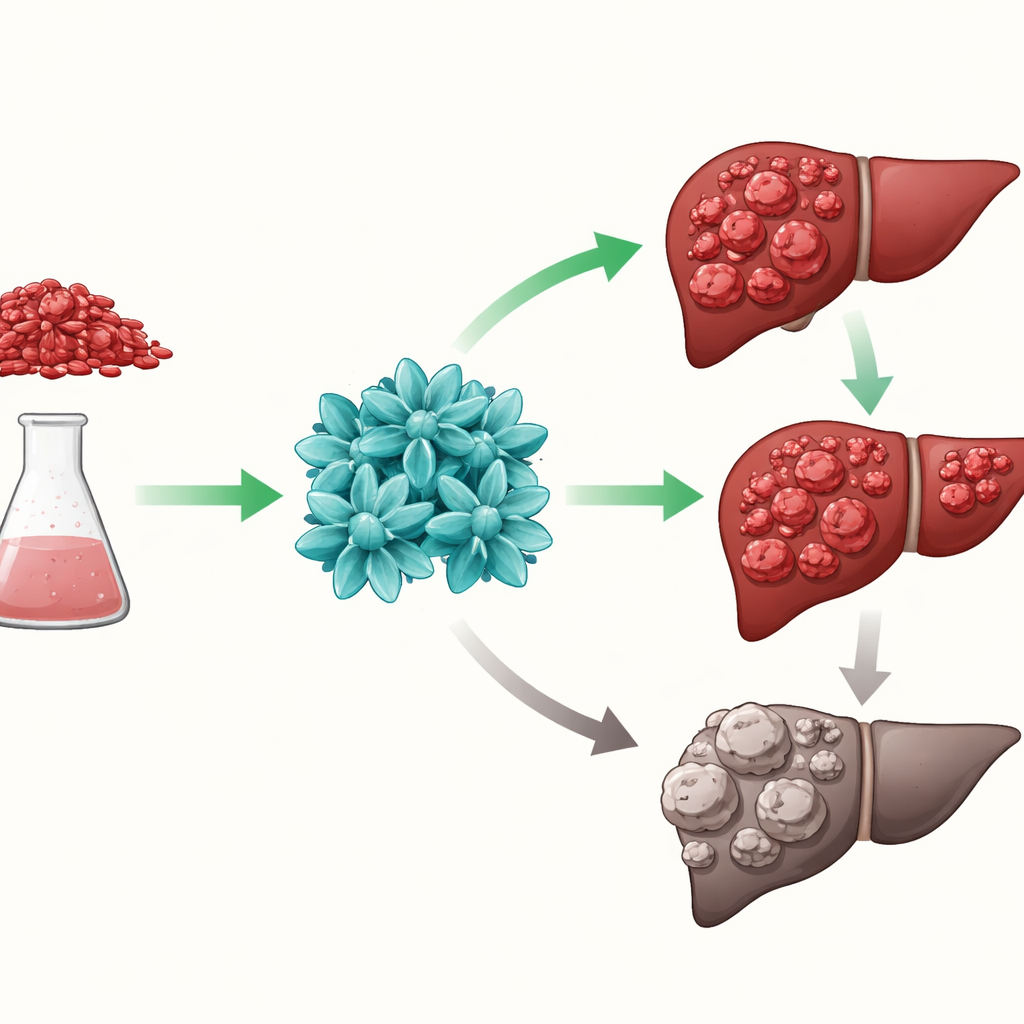
At the heart of this work are nanoparticles, ultra‑small particles thousands of times thinner than a human hair. Zinc oxide nanoparticles are already known to be promising in medicine because they can selectively damage cancer cells while being relatively gentle on healthy tissue. However, how these particles are made strongly affects their size, shape, and behavior inside the body. Traditional chemical manufacturing can yield larger, irregular particles and often relies on harsh reagents. In contrast, the team used red yeast rice extract as a natural "factory" to assemble zinc oxide into delicate, three‑dimensional structures that resemble microscopic flowers.
From Kitchen Staple to Nanoflowers
To create these nanoflowers, the scientists first boiled red yeast rice in water to extract its rich mix of natural compounds, including phenols and flavonoids. These molecules acted as both the builders and stabilizers of the nanoparticles. When a zinc salt and a mild base were added, zinc oxide crystals began to grow, guided by the plant‑like chemicals from the rice. Imaging tools showed that the resulting particles formed well‑defined flower‑like clusters with an average size of just over 20 nanometers, noticeably smaller and more orderly than zinc oxide made by a standard chemical route. Measurements of how the particles absorbed light and scattered X‑rays confirmed that the green‑made nanoflowers were purer and more crystalline, features linked to strong biological activity.
Putting Nanoflowers to the Test
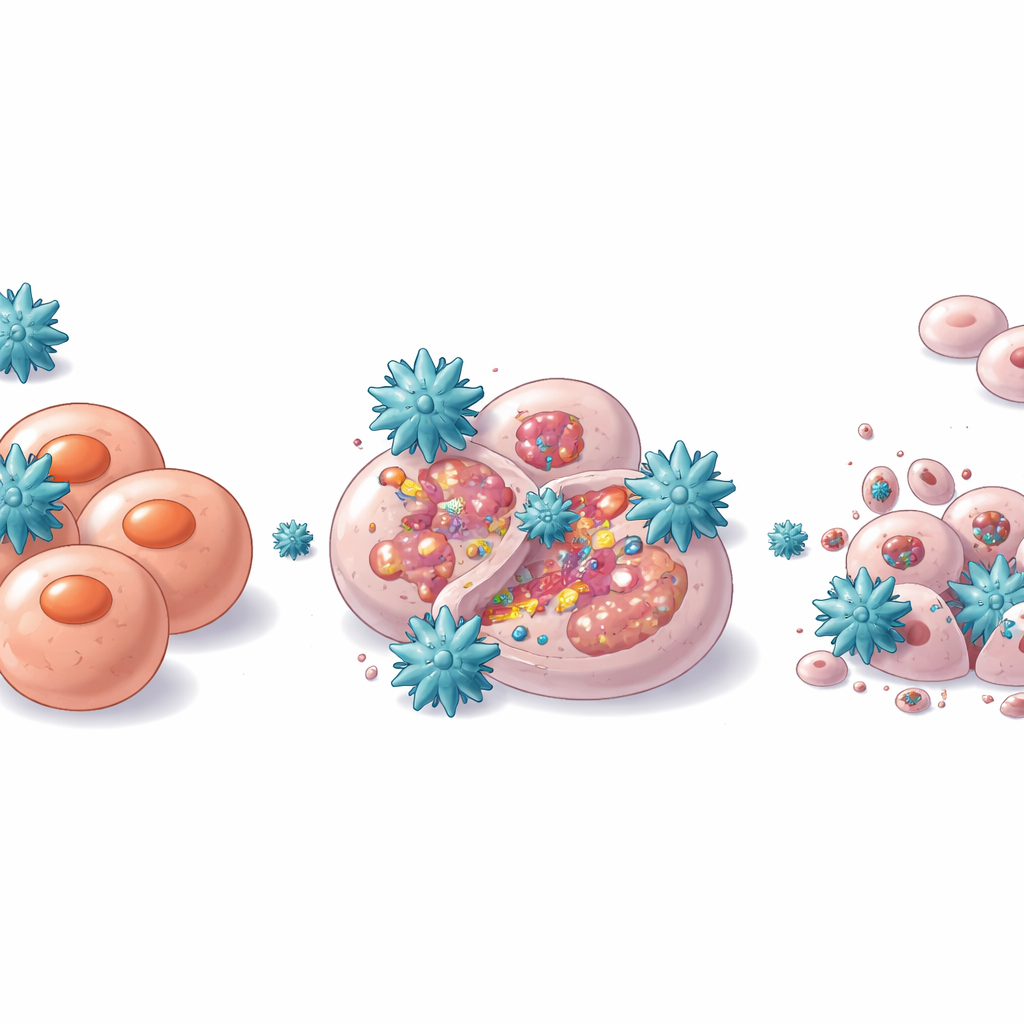
The real test was whether these nanoflowers could harm liver cancer cells grown in the lab. The researchers exposed Hep‑G2 liver cancer cells to different doses of the green nanoflowers and to more conventional zinc oxide particles. The nanoflowers were clearly more potent: a lower dose was needed to kill half the cancer cells, and they more strongly slowed down cell division. Under fluorescent microscopes, treated cancer cells showed bright signals characteristic of cells undergoing programmed death rather than messy rupture. Additional staining experiments revealed that the nanoflowers depleted the cells’ natural antioxidant shield, disrupted their energy‑producing structures, and damaged their recycling compartments, all of which push cancer cells toward self‑destruction.
Looking Inside the Molecular Lock and Key
Beyond petri dishes, the team also used computer simulations to ask whether the surfaces of these zinc oxide particles could latch onto a protein linked to cancer growth. The calculations suggested that the nanoflowers could form stable interactions with this target, fitting into it like a key in a lock through multiple small attractions known as hydrogen bonds. The predicted binding strength fell within a range often seen for promising drug leads, supporting the idea that these particles do more than simply generate stress inside cells; they may also interfere with cancer‑relevant proteins directly.
Greener Paths to Future Treatments
For non‑specialists, the main message is that how we make medical materials can be as important as what they are made of. By harnessing the natural chemistry of red yeast rice, the researchers produced zinc oxide nanoflowers that are smaller, purer, and more active against liver cancer cells than their chemically made cousins, all while avoiding toxic reagents and energy‑intensive steps. Although these results are still limited to cell cultures and computer models, they point toward a future where everyday biological materials help build safer, more targeted cancer treatments in an environmentally friendly way.
Citation: Jasim, A.J., Yusop, M.R., Taha, B.A. et al. Sustainable development of novel zinc oxide nano flowers mediated red yeast rice for control of hepatocellular carcinoma. Sci Rep 16, 9621 (2026). https://doi.org/10.1038/s41598-025-33746-5
Keywords: liver cancer, zinc oxide nanoparticles, red yeast rice, green nanotechnology, nanomedicine