Clear Sky Science · en
Towards deep-learning based detection and quantification of intestinal metaplasia on digitized gastric biopsies: a multi-expert comparative study
Why this matters for your health
Stomach cancer remains one of the world’s deadliest cancers largely because it is often found too late. Doctors know that a particular precancerous change in the stomach lining, called intestinal metaplasia, signals higher risk years before a tumor appears. But today that warning sign is judged by eye, which means two experts can look at the same biopsy and disagree about how serious it is. This study explores whether artificial intelligence can bring more consistency and precision to that crucial early warning step.
How doctors look for trouble in the stomach
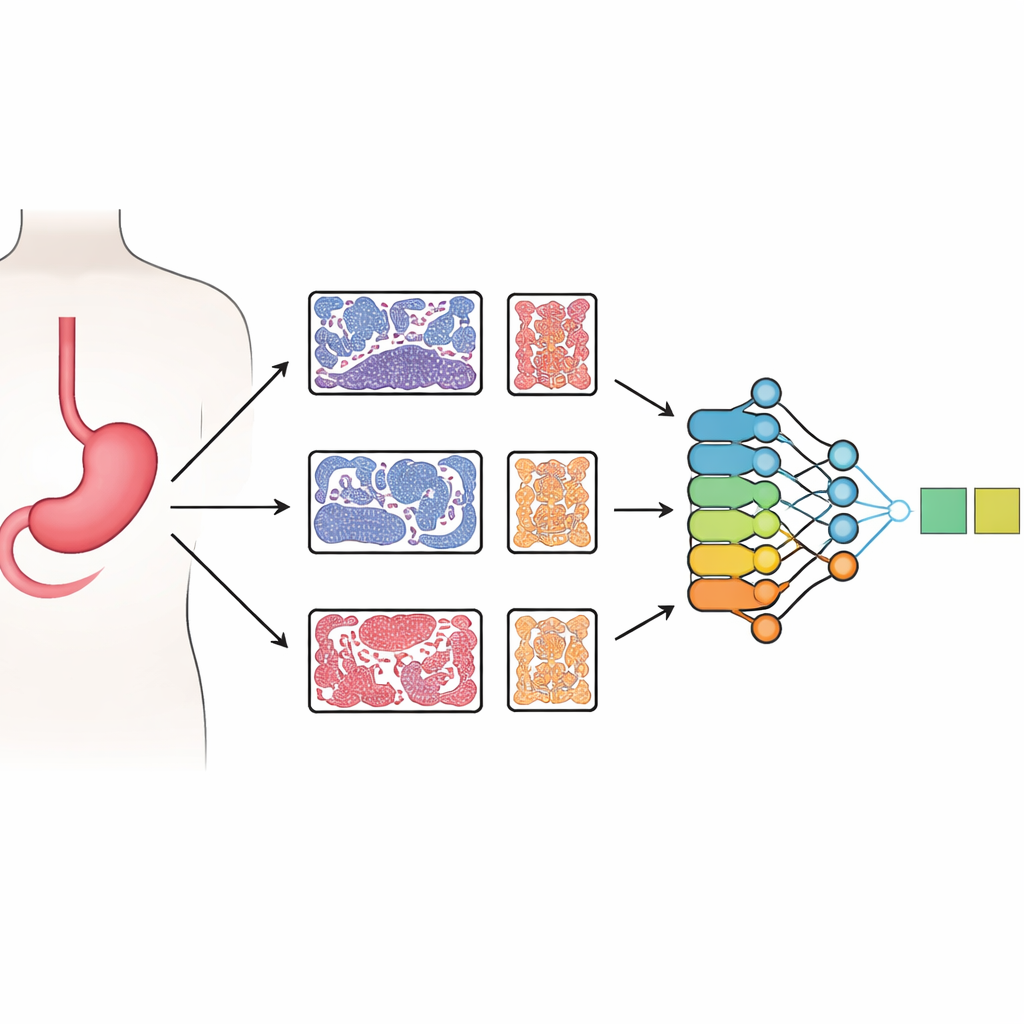
When someone is checked for possible stomach disease, tiny samples of tissue are taken from several standard spots inside the stomach and examined under a microscope. Pathologists look for clues such as inflammation, loss of normal glands, and especially the appearance of intestinal-like cells where they do not belong. The more widespread these changes are, and the more areas of the stomach they occupy, the higher the person’s estimated risk of eventually developing stomach cancer. Current scoring systems combine these visual impressions into stages from very low to very high risk, guiding how closely a patient should be followed.
The problem with human judgment alone
Although these systems are widely used in clinics, they rely on a pathologist’s best guess about what fraction of the tissue is altered. Prior research and everyday experience have shown that even well-trained experts can differ noticeably in their estimates. In this study, three pathologists independently scored more than 200 sets of stomach biopsies from Colombian volunteers and patients. Their agreement ranged only from slight to moderate, meaning that the same case could receive different risk stages depending on who read it. This variability raises concerns that some people may be mistakenly reassured while others may be told they are at higher risk than they truly are.
Teaching a computer to read biopsy slides
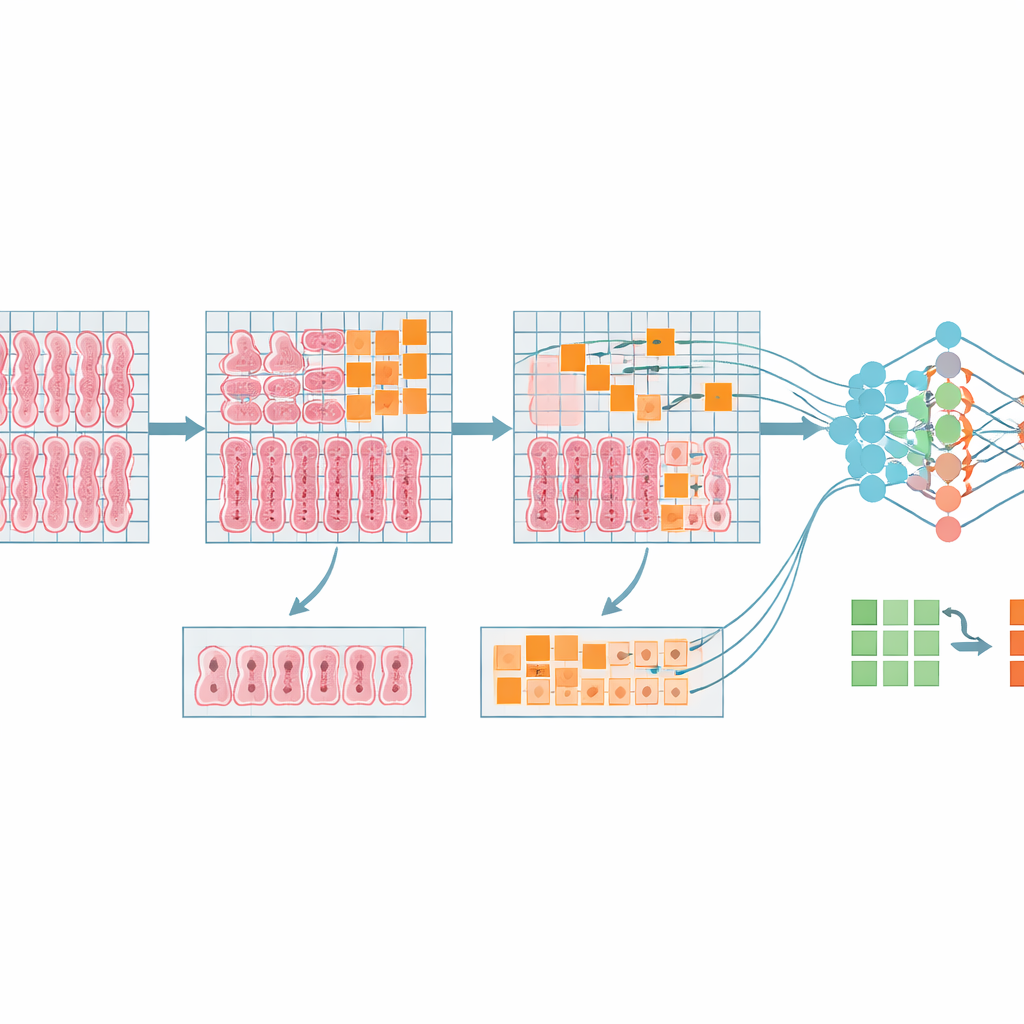
The researchers asked whether deep learning, a type of artificial intelligence that excels at recognizing patterns in images, could help. They digitized five biopsy samples per person at very high magnification and first used a specialized algorithm to locate glandular structures in the tissue, where the early changes appear. From these regions they extracted hundreds of thousands of small image tiles. An experienced pathologist had previously outlined where intestinal metaplasia was present, allowing the team to label tiles as either altered or normal. Several modern neural network designs were then trained in stages: first learning from large existing image databases, and then being fine-tuned on these stomach samples to distinguish metaplastic from normal tiles.
What the computer found and how it compares
Among the tested models, one particular architecture achieved the best results, correctly identifying intestinal metaplasia in most tiles and reaching performance levels comparable to those seen in other medical imaging tasks. When the tile-level predictions were stitched back onto whole-slide images, the model produced color-coded maps showing where altered glands were likely to be. From these maps, the program automatically calculated the percentage of altered tissue in each biopsy site and translated those percentages into the same risk stages used by human experts. While the model did not perfectly match any single pathologist, it showed strong correlation with their estimates and, importantly, was more consistent from case to case than the humans were with each other.
What this could mean for future care
The study suggests that deep learning systems can act as steady “second readers” for stomach biopsies, offering objective measurements of how much of the tissue shows early precancerous change. Rather than replacing pathologists, such tools could give them a reliable baseline, reduce guesswork and disagreement, and help ensure that patients at truly higher risk are identified and monitored appropriately. With further testing across different hospitals and more detailed labeling of tissue subtypes, this approach could eventually support more personalized and confident decisions about who needs closer follow-up to prevent stomach cancer.
Citation: Cano, F., Caviedes, M., Siabatto, A. et al. Towards deep-learning based detection and quantification of intestinal metaplasia on digitized gastric biopsies: a multi-expert comparative study. Sci Rep 16, 9606 (2026). https://doi.org/10.1038/s41598-025-32737-w
Keywords: gastric cancer, intestinal metaplasia, deep learning, digital pathology, cancer risk stratification