Clear Sky Science · en
A Bayesian perspective on geographic influences in coach decision-making for athlete identification and selection
Why Where You Live Can Shape Your Sporting Dreams
Most fans assume that making it into an elite sports program is all about talent and hard work. But this study suggests that something as simple as your home address can also tilt the playing field. By examining thousands of young athletes in Queensland, Australia, the researchers show that athletes from regional areas often need to perform much better than their city peers to receive the same development opportunities.
A Giant Talent Search Across a Big State
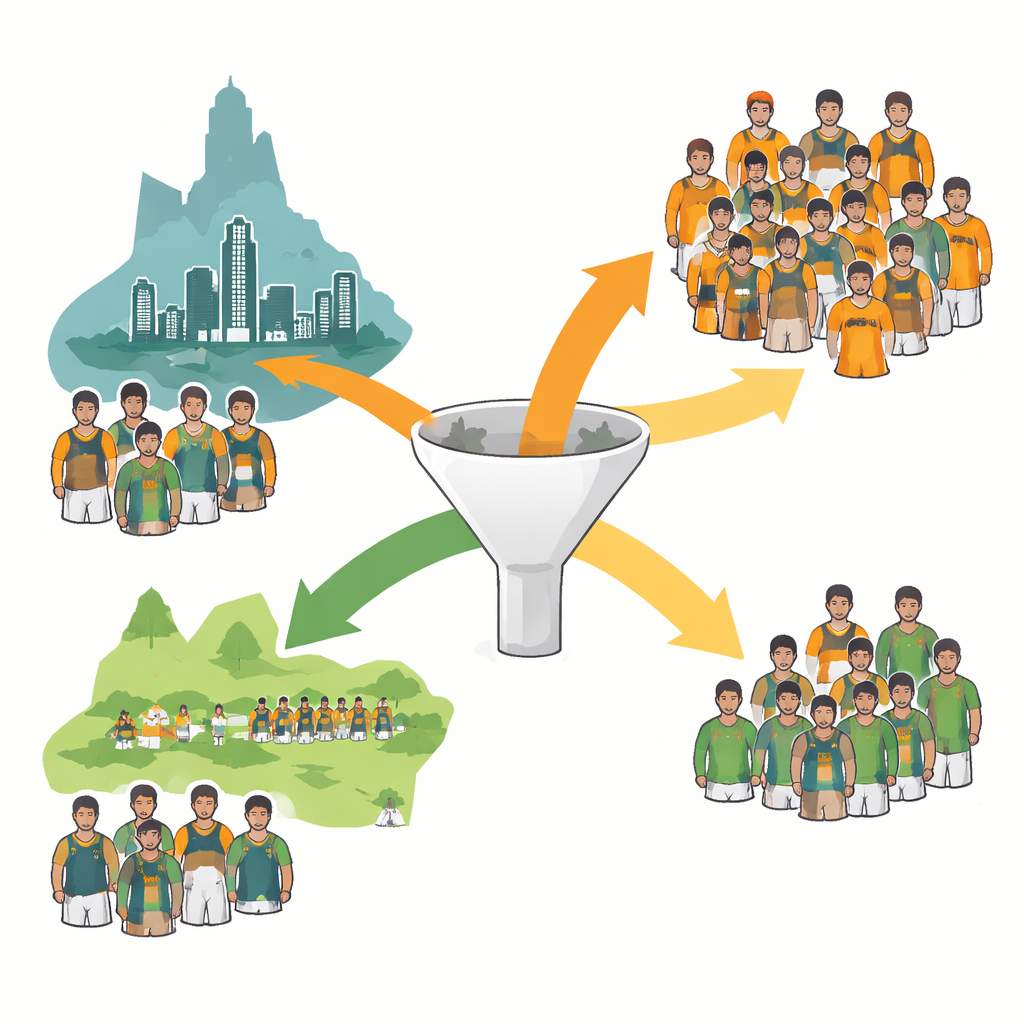
The research focused on YouFor2032, a large talent search program designed to feed athletes into Olympic and Paralympic pathways ahead of the 2032 Brisbane Games. More than 4,800 teenagers from across Queensland took part in testing sessions, where they completed measurements such as height and weight and physical tests like sprints, jumps, and endurance runs. They also reported which sports they were keen to try. Athletes came from two broad areas: the densely populated South East Queensland metropolitan region and the much larger but more sparsely populated regional parts of the state.
Same Stated Rules, Different Real-World Outcomes
Before testing, coaches from 19 sports set out clear selection rules. For example, a sport might say it wanted shorter athletes with exceptional jumping ability and a background in acrobatics. These rules were meant to apply equally to all athletes, no matter where they lived. The researchers then compared what actually happened: among athletes who met these stated requirements, were regional and metropolitan athletes offered places at the same rate? The answer was no. Once the dust settled, regional athletes who met the criteria were offered spots only about half the time, while their city counterparts were successful roughly two-thirds of the time. Across almost all sports, metropolitan athletes were more likely to receive offers once basic requirements were satisfied.
How Much Better Do Regional Athletes Need To Be?
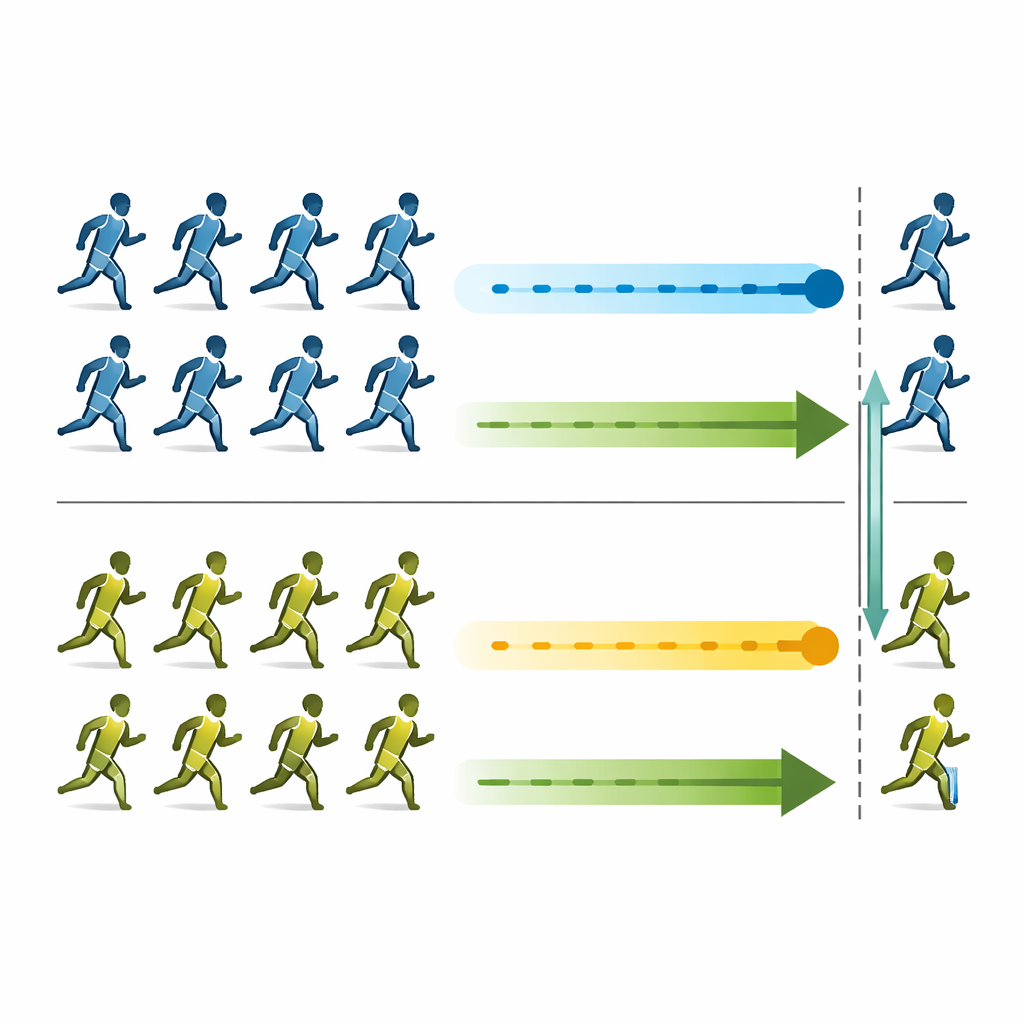
To dig deeper, the team used a statistical approach that treats selection as a kind of decision-making puzzle. Rather than just looking at averages, they modelled the hidden “cut-off point” that athletes seem to need to reach to be selected, and asked whether that cut-off is different for regional versus metropolitan athletes. Their analysis suggests that, on average, regional athletes needed to be about one full step higher on the performance ladder than city athletes to have the same chance of being picked. Put in everyday terms, a regional athlete performing around the 84th percentile—better than roughly five out of six peers—had a similar selection chance as a metropolitan athlete performing at the middle of the pack.
A Mixed Picture Across Different Sports
While the overall pattern showed a clear disadvantage for regional athletes, the size of that gap varied by sport. In some sports, such as archery and sprint canoeing, regional athletes appeared to face particularly steep hurdles, needing far stronger results than city peers to be chosen. In others, such as certain track events and skateboarding, the differences were smaller or even slightly reversed. Most sports, however, hovered close to the overall trend: regional athletes had to do more to be seen as equally promising. When the researchers examined specific measurements—like endurance tests, jump height, and body size—they found that regional athletes often had less polished fitness scores, likely reflecting fewer training resources, even though some of their body measurements and sprint times were similar to city athletes.
Why Geography May Matter So Much
Why would coaches, many of whom are trying hard to be fair, end up selecting fewer regional athletes? The authors suggest that the answer may lie less in personal prejudice and more in practical constraints. Supporting an athlete who lives far from major training centers can cost several times more in travel, accommodation, and coaching time. When budgets are tight, choosing a city athlete may feel like a safer investment, even if a regional athlete is just as promising. Over time, this can create an invisible extra hurdle: regional athletes must be noticeably better on paper to justify the additional cost and effort. The study also notes that regional athletes in this sample tended to be slightly more physically mature, which might discourage coaches who are trying to invest in younger, longer-term prospects.
What This Means for Fairness in Sport
In plain language, the study concludes that growing up outside the big city can quietly reduce your chances of being selected for elite sports pathways, even when you perform well on tests. Regional athletes in this program often had to achieve clearly superior scores to stand alongside metropolitan athletes in the same selection line. The authors argue that if sports organizations want to tap into the full pool of talent, they will need to recognize and actively counteract this geographic tilt—through targeted funding, regional support programs, and greater awareness of how logistical and financial pressures can shape selection decisions. Otherwise, many capable young athletes may never get the chance to see how far their abilities could have taken them.
Citation: Johnston, K., Wang, Y., Trace, J. et al. A Bayesian perspective on geographic influences in coach decision-making for athlete identification and selection. Sci Rep 16, 8234 (2026). https://doi.org/10.1038/s41598-025-30791-y
Keywords: talent identification, geography and sport, youth athlete selection, regional disadvantage, coach decision-making