Clear Sky Science · en
Evaluating a pathogen-specific IgG binding assay for rapid detection of healthcare-associated infections
Why Faster Infection Tests Matter
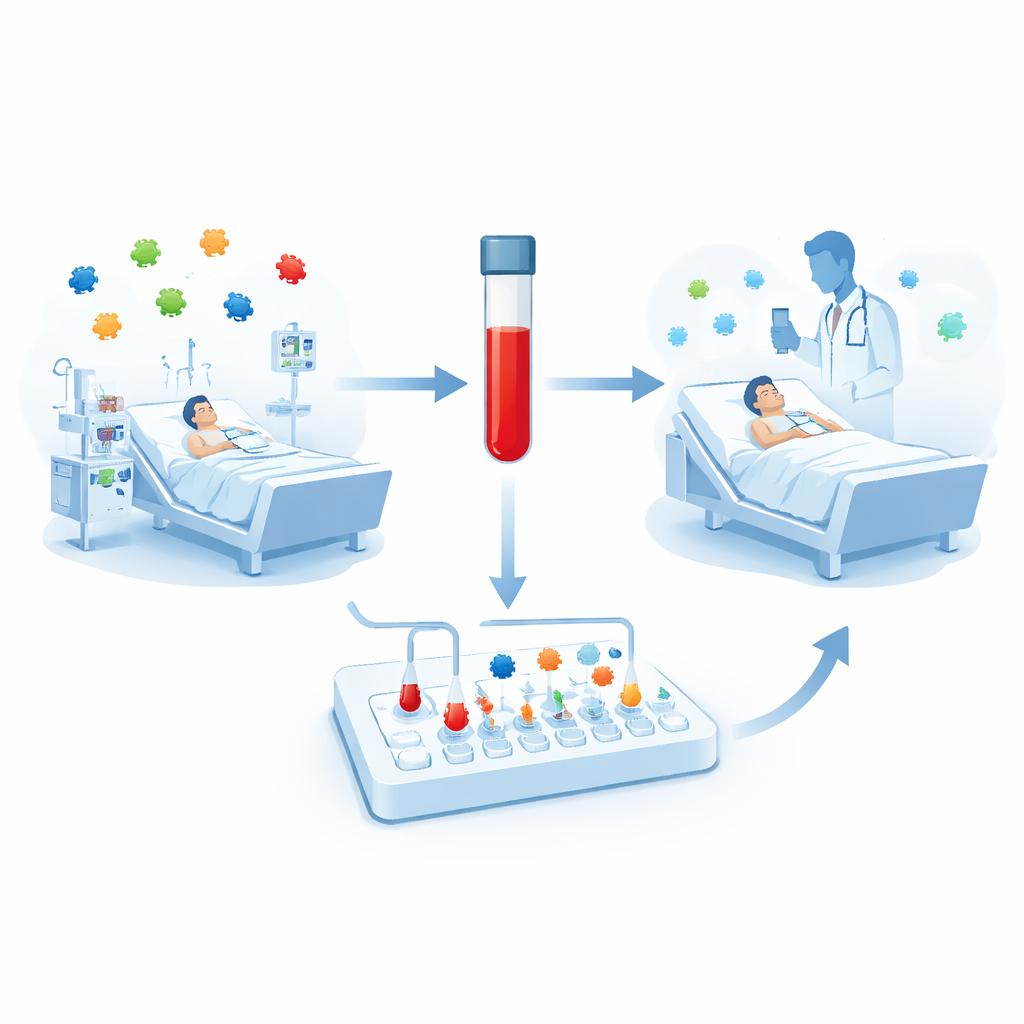
People in intensive care units are some of the sickest patients in a hospital, and even a minor delay in treatment can be life‑threatening. One major danger they face is infection picked up during their hospital stay. Doctors currently rely on lab cultures that can take two to three days to grow bacteria from patient samples. During that wait, they often prescribe powerful broad‑spectrum antibiotics “just in case,” which can drive drug resistance and expose patients to unnecessary side effects. This study explores a faster blood test that reads how a patient’s own immune system is reacting to specific germs, with the goal of spotting serious infections within hours instead of days.
Reading the Body’s Infection Signals
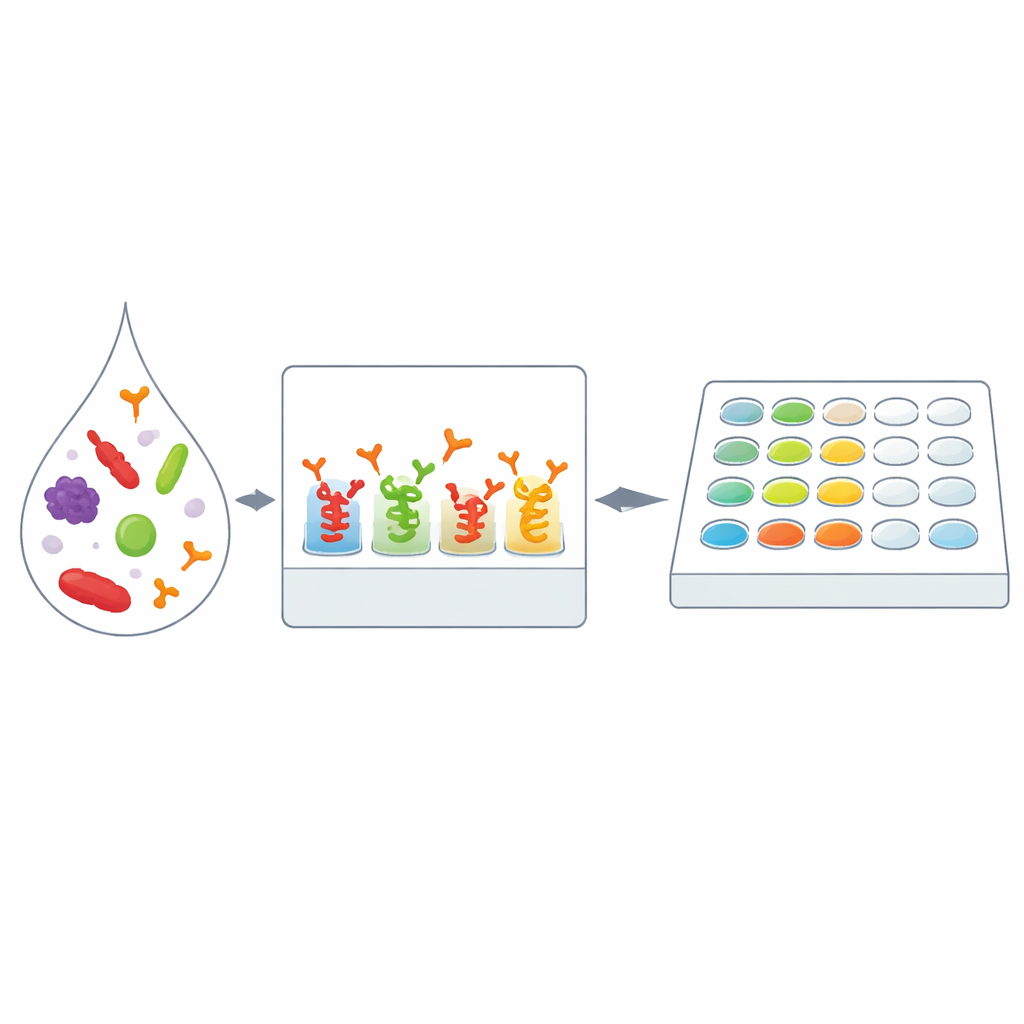
When bacteria invade the body, the immune system produces Y‑shaped proteins called antibodies that recognize and stick to the microbes. One major antibody type, called IgG, can be measured in the blood. The researchers reasoned that if they could measure how strongly a patient’s IgG sticks to certain problem bacteria, they might get a quick snapshot of whether those germs are causing a real infection, rather than just quietly living on the skin or in the airways. To do this, they used a well‑established lab method that coats plates with whole bacteria and then measures how much IgG from a patient’s serum binds to them, producing a color signal that can be read in a standard lab machine in a few hours.
Focusing on the Most Dangerous ICU Germs
The team carried out the study in two large intensive care units in Istanbul. They followed 315 adult patients who entered the ICU without an infection and later developed suspected hospital‑acquired infections. The test panel targeted seven major bacterial culprits in intensive care: Acinetobacter baumannii, Klebsiella pneumoniae, Escherichia coli, Pseudomonas aeruginosa, Staphylococcus aureus, Enterococcus faecalis, and Enterococcus faecium. For each suspected infection, they collected a blood sample for the IgG test within 24 hours of taking standard culture samples from sites such as blood, lungs, urine, or surgical wounds. The technicians running the IgG test did not know the culture results, which helped avoid bias.
How Well the Rapid Test Performed
The researchers compared the strength of IgG binding to each bacterium with whether that germ actually grew in culture. Across all seven pathogens, patients with culture‑proven infections had clearly higher IgG binding than those without infection. Using a statistical approach that weighs true positives against false alarms, they identified a single cutoff value for a “positive” result and also calculated separate cutoffs for each bacterium. Overall, the IgG test correctly classified infections about 83% of the time, with about 85% of true infections detected and 81% of uninfected cases correctly ruled out. Some organisms performed even better: for Acinetobacter baumannii, the test picked up nearly 95% of infections and misclassified very few patients. Importantly, the test’s accuracy did not drop in patients with multiple bacteria present or in different infection sites such as the lungs, bloodstream, or surgical wounds.
What Happens When Test Results Disagree
Not every blood test result matched the culture. In some patients, the culture was positive but IgG binding was low. Many of these people were severely ill, on ventilators, and had very strong overall inflammation, suggesting that their exhausted immune systems might not produce a clear antibody signal. In other cases, the IgG test was positive while cultures were negative. Often these samples were taken after antibiotics had already been started, which can kill or weaken bacteria so they no longer grow in the lab, even though the immune system has already mounted a response. In several of these cases, the same bacteria grew in later cultures, supporting the idea that the early IgG signal was picking up an infection that culture initially missed.
From Research Tool to Bedside Helper
To a layperson, the core message is that this IgG‑based blood test acts like an infection “lie detector,” cross‑checking what the lab finds with what the patient’s immune system is actually fighting. Instead of waiting two or three days for cultures, doctors could get meaningful information in about four hours using equipment most hospital labs already own. While the test cannot yet show which antibiotics will work, it can alert clinicians sooner to which germ family is likely responsible and whether an infection is truly present, even in patients already on antibiotics. Used alongside traditional cultures and genetic tests, this approach could help target treatments more quickly, reduce unnecessary use of powerful drugs, shorten hospital stays, and ultimately improve survival for some of the sickest patients.
Citation: Karakullukçu, A., Akker, M., Kuşkucu, M.A. et al. Evaluating a pathogen-specific IgG binding assay for rapid detection of healthcare-associated infections. Sci Rep 16, 9589 (2026). https://doi.org/10.1038/s41598-025-30459-7
Keywords: hospital-acquired infection, rapid diagnostics, antibody testing, intensive care unit, antibiotic stewardship