Clear Sky Science · en
Anti-HCV NS2-3 potential of selected plant bioactive compounds revealed by docking, simulation and DFT
Why Plants Matter in the Fight Against Hepatitis C
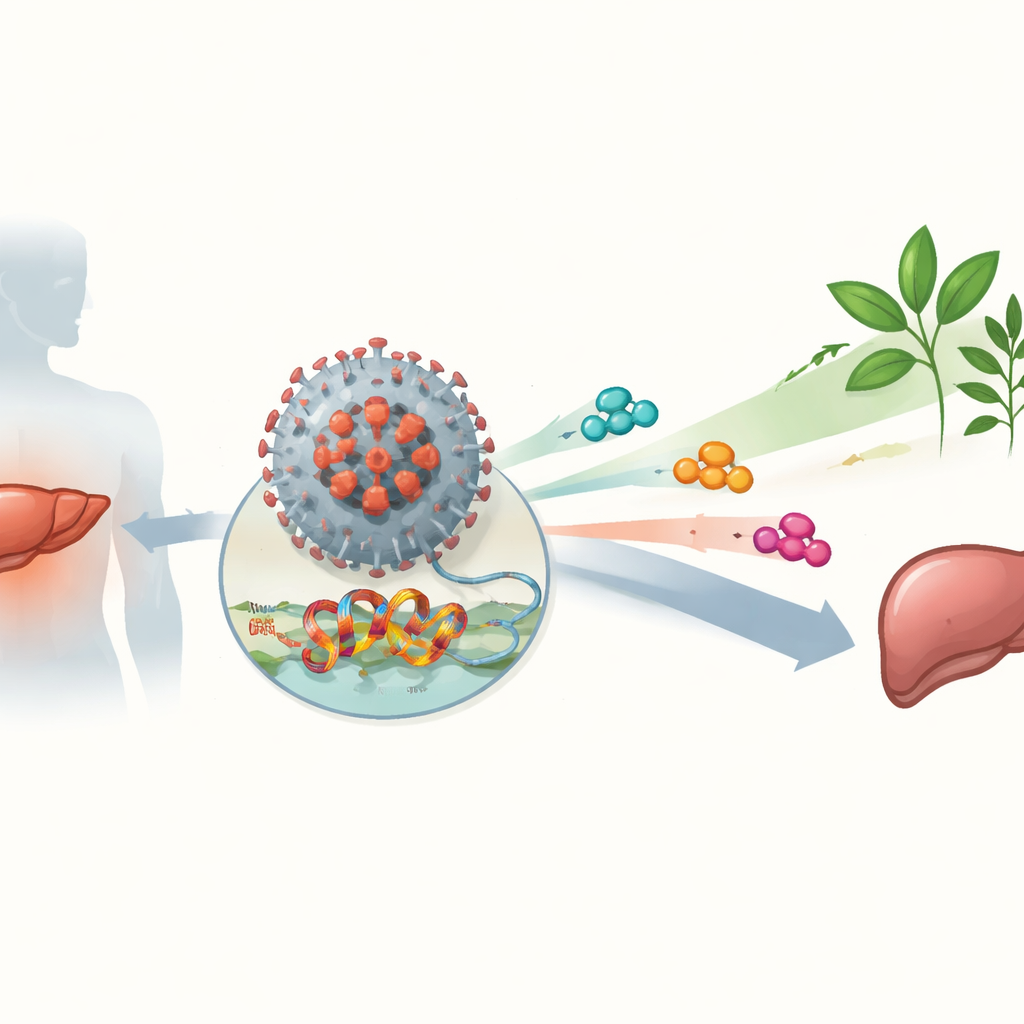
Hepatitis C is a viral infection that can quietly damage the liver for years and is a leading cause of liver cancer worldwide. Although modern antiviral drugs can cure many people, they are expensive, can cause side effects, and are not available to everyone who needs them. This study explores whether natural chemicals found in two common medicinal plants used in Nigeria might serve as blueprints for new, safer treatments against hepatitis C, using powerful computer tools instead of lab animals or human volunteers.
The Virus and Its Weak Spot
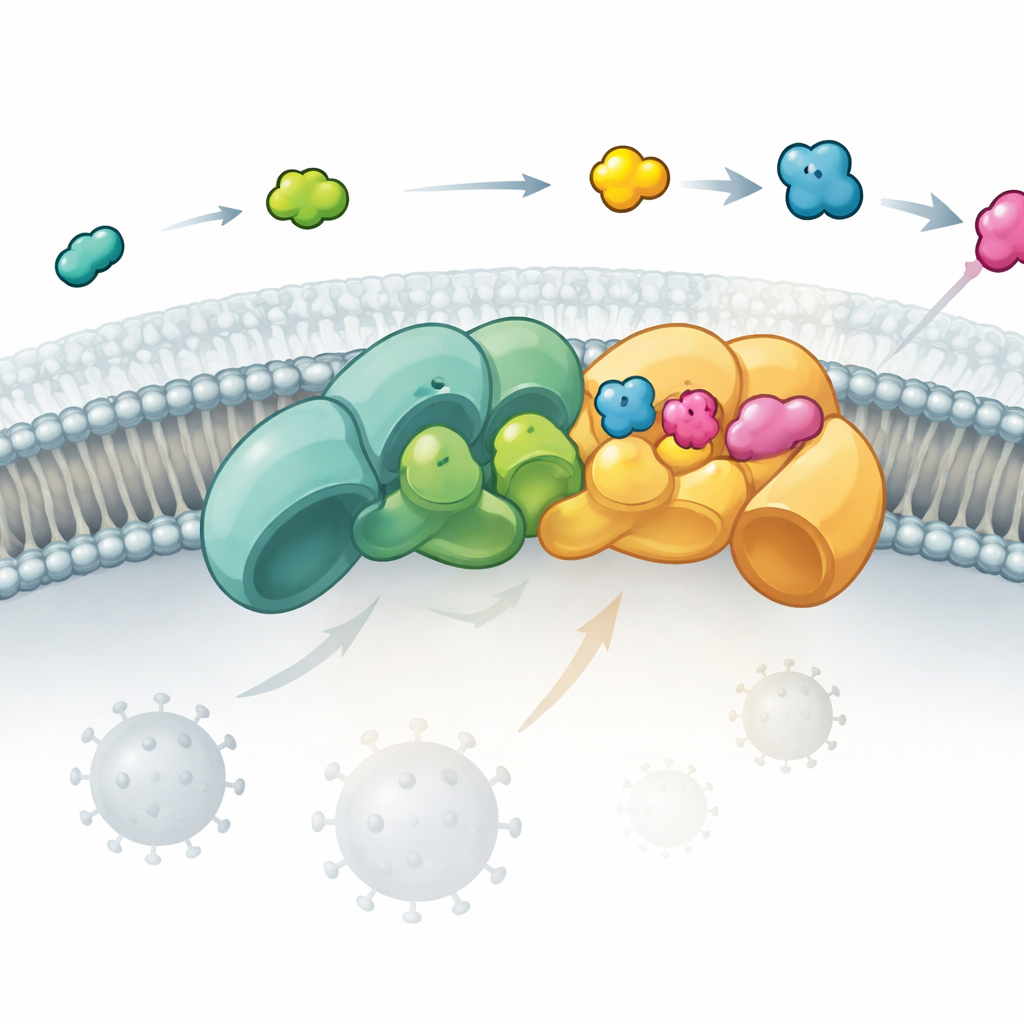
The hepatitis C virus carries its genetic material as a single strand of RNA and relies on a set of helper proteins to copy itself inside human liver cells. Among these helpers is a protein pair known as NS2-3, which acts like a molecular scissors and assembly tool: it cuts a larger viral protein into working pieces and helps build new virus particles. Because NS2-3 is so central to the virus life cycle, blocking it could stop the infection in its tracks. Current drugs often target similar viral proteins, but they do not work perfectly for all patients and can trigger unwanted reactions, so researchers are looking for new molecules that can latch onto NS2-3 and slow it down.
Turning Traditional Plants into Digital Molecules
Researchers focused on two plants, Jatropha tanjorensis and Solanum nigrum, which are used in local remedies for liver problems and viral hepatitis. From earlier chemical profiling, they chose four standout plant compounds that were abundant and chemically diverse. The team then converted these compounds into digital structures and examined them using several in silico, or computer-based, tests. First, they checked whether each compound met widely used guidelines that predict if a molecule is likely to behave like a drug in the body, such as being absorbable and not overly greasy. They also screened for chemical features linked to toxicity. All four plant compounds passed these early safety and “drug-likeness” filters, suggesting they might be suitable starting points for medicine design.
How Well the Plant Compounds Grip the Viral Tool
The core of the study asked a simple question: how tightly could each plant compound fit into the NS2-3 protein’s active region, where cutting and assembly take place? Using a technique called molecular docking, the researchers simulated how each molecule might slide into the protein’s surface pockets and estimated binding strength by calculating docking scores. A powerful existing hepatitis C drug, ledipasvir, and the protein’s original bound molecule served as yardsticks. While none of the plant compounds matched the strongest score of ledipasvir, several came close enough to be encouraging, especially squalene and isopropyl thiophosphondiamide. The simulations showed that key amino acids in the catalytic region of NS2-3 formed multiple hydrogen and hydrophobic contacts with the plant compounds, the same region the virus relies on for cutting its proteins.
Stress-Testing the Match with Motion and Quantum Views
Because proteins and drugs are constantly jiggling inside cells, the team ran long molecular dynamics simulations—virtual movies lasting 200 billionths of a second—to see whether the plant compounds stayed put in the NS2-3 pocket. They tracked how much the protein and each molecule shifted over time, using measures of motion and flexibility. Overall, the complexes were only moderately stable, but isopropyl thiophosphondiamide showed particularly steady behavior, and all four compounds maintained meaningful contact with the active region. The researchers also used quantum chemistry calculations to probe how readily electrons move within each molecule, which relates to how reactive and adaptable they are when forming bonds. The energy gaps they found suggest the compounds are moderately stable yet chemically responsive—qualities that can favor formation of strong interactions with the viral protein.
What This Means for Future Treatments
This work does not claim to have discovered ready-to-use cures, but it offers a hopeful starting point. The four plant-derived compounds appear non-toxic in silico, look promising by common drug-design rules, and can dock into a crucial hepatitis C protein with encouraging strength and stability. In everyday terms, the study shows that molecules from traditional medicinal plants can, at least on the computer screen, slip into the virus’s inner machinery and potentially jam its gears. The next steps will require careful laboratory and animal studies to confirm whether these digital predictions translate into real-world antiviral effects, but the findings support the idea that nature’s chemistry library still holds valuable leads in the fight against chronic viral liver disease.
Citation: Mboto, C.I., Mbim, E.N., Edet, U.O. et al. Anti-HCV NS2-3 potential of selected plant bioactive compounds revealed by docking, simulation and DFT. Sci Rep 16, 9568 (2026). https://doi.org/10.1038/s41598-025-18577-8
Keywords: hepatitis C, medicinal plants, antiviral discovery, molecular docking, natural compounds